
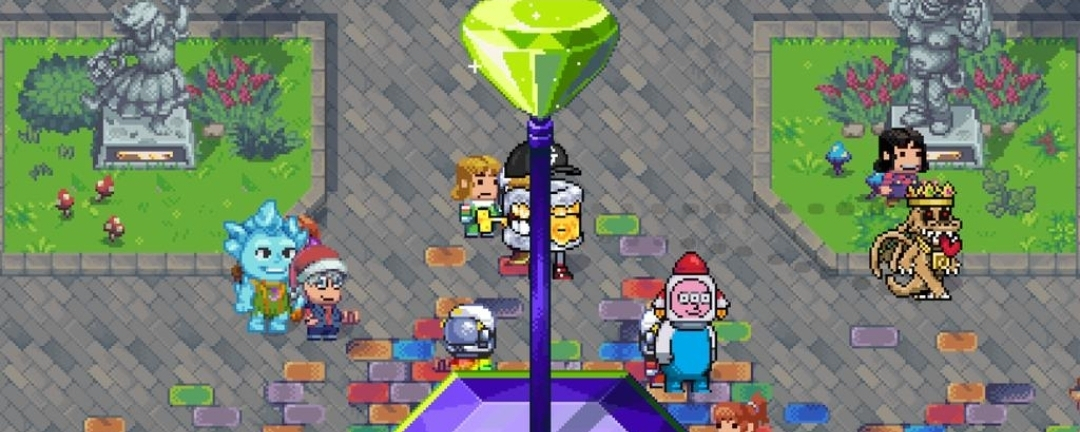
First, unlike typical games that reset or revolve around fixed narratives, Pixels operates as a persistent world. When you log off, the world doesn’t pause—it continues evolving with other players’ actions. Crops grow, land changes hands, economies shift. That continuity makes returning feel less like “starting a session” and more like stepping back into an ongoing life, similar to waking up into a world that never stopped.
Second, the integration of blockchain—especially through tokens like PIXEL—introduces real ownership and consequence. Items, land, and progress aren’t just temporary in-game assets; they can carry value beyond the game. This subtly changes your mindset: instead of playing for points or temporary rewards, you’re participating in a system where your actions have lingering weight. That added gravity can make the experience feel more “real” and less like a disposable game loop.
Another reason is the absence of rigid structure. Many games guide players through levels, missions, and clear end goals. Pixels, however, leans heavily into open-ended gameplay—farming, trading, socializing, exploring—without forcing a linear path. This freedom creates a sense of self-directed existence rather than progression. You’re not just completing objectives; you’re choosing how to spend your time, much like in real life.
The social layer also plays a big role. Interactions in Pixels aren’t just scripted NPC dialogues; they often involve real players shaping the world’s economy and culture. Markets fluctuate based on supply and demand, collaborations emerge organically, and communities form around shared goals. This unpredictability mirrors real-world dynamics, reinforcing that “waking” sensation—you’re entering a living ecosystem, not a pre-designed script.
Visually and emotionally, the pixel-art aesthetic contributes as well. It’s simple and nostalgic, which lowers the barrier between player and world. Instead of overwhelming realism, it creates a calm, almost dreamlike environment. That paradox—simple visuals with complex systems underneath—makes the experience feel like drifting through a lucid, evolving space rather than being challenged by a conventional game.
Finally, Pixels emphasizes routine and rhythm over adrenaline. Farming cycles, resource gathering, and gradual progress encourage repeated daily engagement. Over time, this builds habits—log in, check crops, trade goods—that resemble daily rituals. That repetition mimics real-world routines, reinforcing the sense that you’re “waking up” into a familiar place rather than launching a new game.
Put together, persistence, ownership, freedom, social dynamics, and routine blur the boundary between game and lived experience. Pixels doesn’t demand that you “win”—it invites you to exist, participate, and return. And that’s why it often feels less like playing, and more like waking into another layer of reality.@Pixels $PIXEL #pixel