
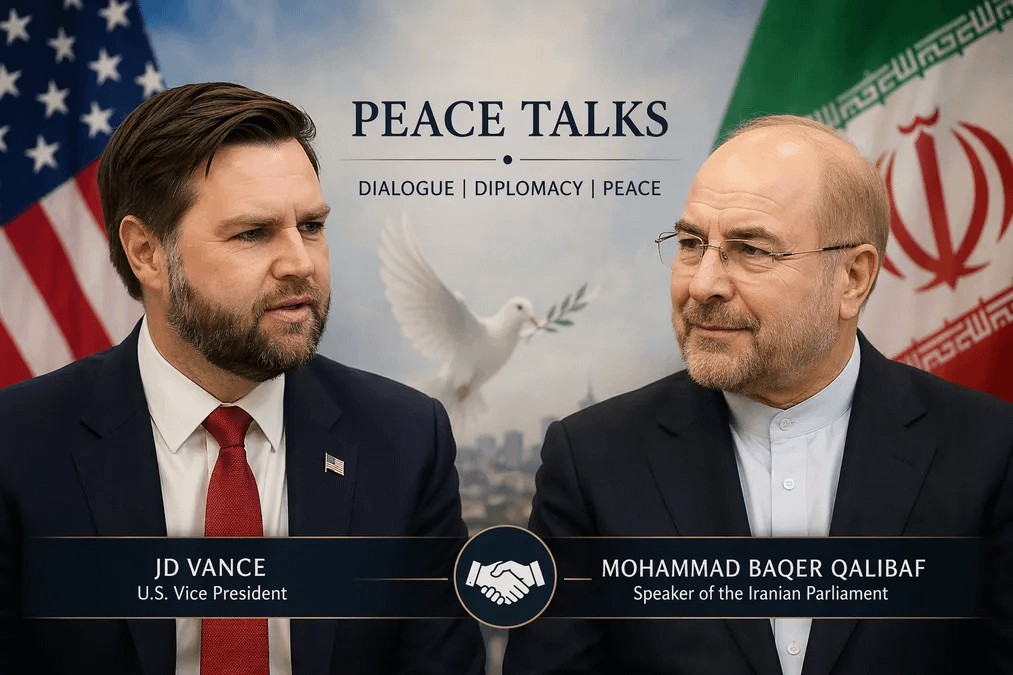
As of April 18, 2026, Iran has reportedly rejected a second round of direct talks with the United States in Islamabad, citing a lack of agreement on a basic framework and what it describes as "excessive demands" from Washington.
Yahoo Finance UK
Yahoo Finance UK
+1
While U.S. President Donald Trump recently expressed optimism that a deal was close, Iranian officials have countered these claims, specifically dismissing reports that they agreed to transfer enriched uranium stockpiles to the U.S..
Al Jazeera
Al Jazeera
+1
Current Status of Negotiations
No Date Set: Iranian Deputy Foreign Minister Saeed Khatibzadeh stated on Saturday that no date can be set for further talks until a common framework of understanding is finalized.
Breakdown of First Round: Initial direct talks in Islamabad ended on April 12 after 21 hours without an agreement. Key sticking points included the Strait of Hormuz, nuclear enrichment rights, and the lifting of U.S. sanctions.
Mediation Efforts: Pakistan continues to act as a primary mediator. Its Prime Minister and Army Chief have been holding high-level meetings in Tehran and Turkey to bridge the gap between the two nations.
Al Jazeera
Al Jazeera
+5
Key Escalations and Deterrents
Strait of Hormuz Re-closed: On April 18, Iran announced it had re-imposed restrictions on the Strait of Hormuz in response to a continuing U.S. naval blockade of its ports.
U.S. Blockade: The U.S. is currently enforcing a maritime blockade on Iranian ports, interdicting vessels that pay tolls to Iran or originate from its ports.
Military Posture: Marking "Army Day," Iranian leadership emphasized military readiness, citing the role of its armed forces in confronting what it termed "US-Israeli aggression" during the recent 40-day conflict.
Al Jazeera
Al Jazeera
+4
Major Disagreements
Nuclear Material: Iran "strongly dismissed" President Trump's claim that Tehran had agreed to transport its enriched uranium to the United States.
Economic Relief: Iran is demanding compensation for an estimated $270 billion in war damages and the full lifting of sanctions as a prerequisite for a permanent deal.
Regional Strategy: Differences remain over the presence of U.S. military forces in the Middle East and Iran's regional influence, particul
 arly concerning Hezbollah