
$AAVE is facing serious pressure after an external exploit created nearly $200 million in bad debt, even though Aave’s own smart contracts were not hacked.
What Happened?
Attackers exploited Kelp DAO and obtained $292 million in rsETH. They then used those stolen assets as collateral on Aave V3.
Because rsETH was accepted collateral, Aave could not block the deposits in real time. The result: around $196 million bad debt inside the system.
What “Bad Debt” Means
Bad debt happens when borrowed funds are no longer fully backed by usable collateral.
For users, that can create risks such as:
✔ Slower withdrawals if liquidity is tight
✔ Higher borrowing stress
✔ Increased volatility in lending markets
✔ Reduced confidence in the platform
Market Reaction
Since the event:
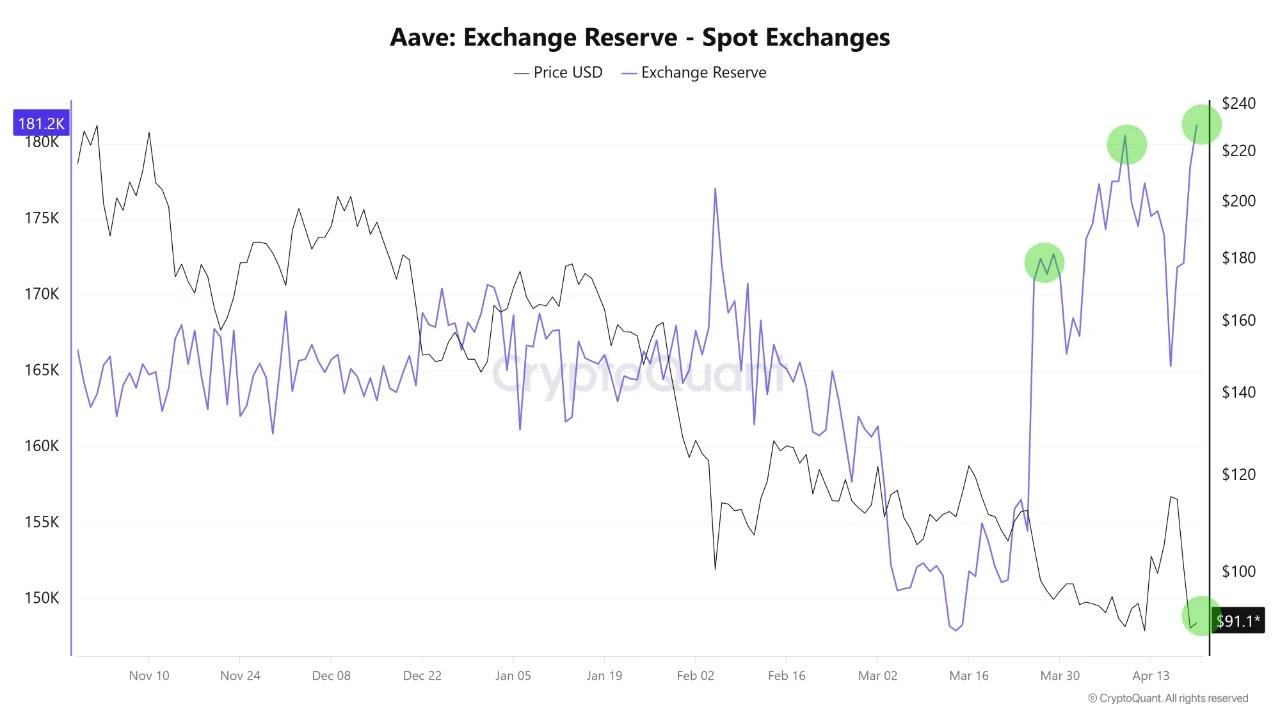
• Aave token dropped over 23%
• Roughly $6.6 billion TVL reportedly left the protocol
• Utilization rates surged, meaning available liquidity became tighter
What Users Should Watch Now
The next 48–72 hours may be crucial.
If Aave contains the losses, restores liquidity, and confidence stabilizes, recovery is possible.
If withdrawals continue and liquidity remains stressed, more users may exit.
Price Levels for AAVE Token
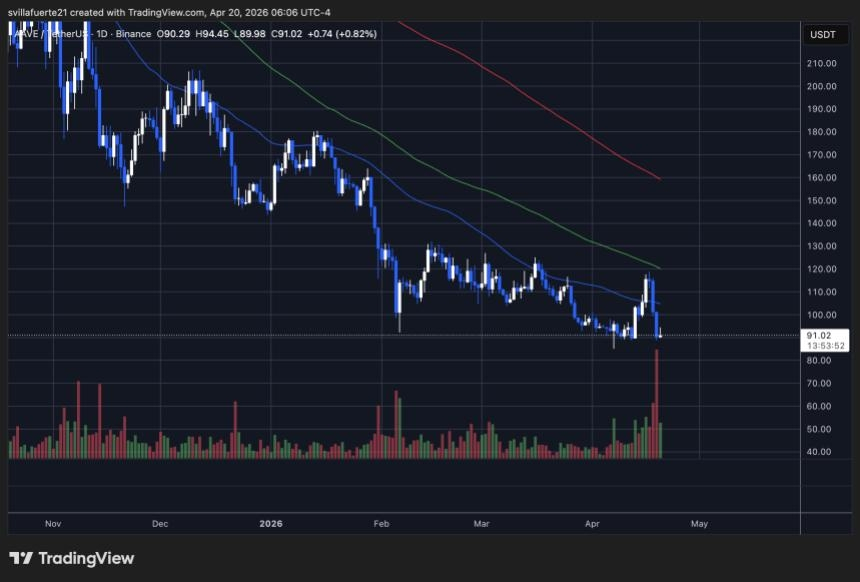
Analysts say the token remains weak unless it reclaims the $110 area. Support near $90 is now being closely watched.
Bottom Line
Aave itself wasn’t hacked — but accepting compromised collateral still created a major system shock. In DeFi, external risk can become internal risk very quickly.