
Ich habe eine beträchtliche Zeit damit verbracht, zu beobachten, wie Pixels tatsächlich in der Praxis funktioniert, und was mir auffällt, ist nicht die Oberfläche – der Kunststil, der Farming-Loop oder sogar die soziale Rahmung – sondern die Art und Weise, wie es leise Verhalten durch Einschränkungen strukturiert. Es ist einfach, es als ein Web3-Farming-Spiel zu beschreiben, aber diese Rahmung verpasst den interessanteren Punkt. Was ich sehe, ist ein System, das vertraute Spielmechaniken nutzt, um eine Reihe von On-Chain-Interaktionen zu normalisieren, ohne die Benutzer ausdrücklich darüber nachdenken zu lassen.
Die Entscheidung, auf Ronin zu bauen, ist nicht zufällig. Die Umgebung von Ronin ist auf niedrige Reibung und hochfrequente Interaktionen abgestimmt, und Pixels nutzt dies. Aktionen, die anderswo umständlich oder teuer erscheinen würden—Ressourcensammeln, Handwerk, Handel—werden hier zur Routine. Das verändert die Psychologie der Benutzer auf subtile Weise. Wenn Interaktionen billig und schnell sind, hören die Benutzer auf, ihre Aktionen zu rationieren. Sie experimentieren mehr, wiederholen Verhaltensweisen ohne Zögern, und im Laufe der Zeit werden diese Verhaltensweisen zu Gewohnheiten. Pixels muss den Benutzern nicht abstrakt über Wallets oder Transaktionen beibringen; es bettet diese Ideen in Schleifen ein, die sich wie gewöhnliches Gameplay anfühlen.
Was ich besonders aufschlussreich finde, ist, wie das Spiel mit Eigentum und Persistenz umgeht. Vermögenswerte existieren in einer Weise, die technisch extern zum Spiel-Client ist, aber die Erfahrung ist so gestaltet, dass diese Trennung selten sichtbar wird. Die meisten Spieler denken nicht über die Verwahrung von Vermögenswerten nach; sie denken über ihren Bauernhof, ihren Fortschritt, ihre Position in der Welt nach. Diese Abstraktion leistet echte Arbeit. Sie senkt die kognitive Belastung, die für die Teilnahme erforderlich ist, während sie dennoch die zugrunde liegende Struktur bewahrt. Effektiv behandelt Pixels die Blockchain als eine Koordinationsschicht und nicht als ein Merkmal.
Das Open-World-Design verstärkt dies. Indem es Spielern ermöglicht wird, sich frei zu bewegen, Ressourcen zu sammeln und mit gemeinsamen Räumen zu interagieren, schafft das System ein Basiselement der Interdependenz. Kein einzelner Spieler agiert lange isoliert. Selbst etwas so Einfaches wie die Verteilung von Ressourcen beginnt, Verhalten zu formen. Bestimmte Bereiche werden aktiver, nicht weil das Spiel die Spieler explizit dorthin lenkt, sondern weil die zugrunde liegenden Anreize sie in diese Richtung schieben. Im Laufe der Zeit entstehen Muster: informelle Spezialisierung, Clusterbildung von Aktivitäten und eine Art emergente Wirtschaft, die organisch wirkt, aber tatsächlich das Produkt sorgfältig abgestimmter Mechaniken ist.
Ich denke, die Landwirtschaftsschleife wird oft missverstanden. Es ist nicht nur eine lässige Aktivitätsschicht; es ist ein Tempo-Mechanismus. Die Landwirtschaft führt Zeitverzögerungen, Ressourcenabhängigkeiten und vorhersehbare Zyklen ein. Diese Elemente verlangsamen das System gerade genug, um zu verhindern, dass es in reine Ausbeutung kollabiert. Wenn alles sofort wäre, würden die Benutzer durch Inhalte rasen und sich disengagieren. Durch die Einführung von Reibung in Form von Zeit schafft das Spiel Raum für andere Verhaltensweisen—soziale Interaktion, Erkundung, Experimentieren—um Fuß zu fassen. Dies ist eine dieser unglamourösen Designentscheidungen, die am Ende viel Gewicht hat.
Es gibt auch eine interessante Spannung zwischen Zugänglichkeit und Tiefe. Auf der Oberfläche ist Pixels einfach zu betreten. Die Steuerungen sind einfach, die Ziele sind klar, und die frühe Erfahrung ist nachsichtig. Aber je mehr Zeit die Benutzer im System verbringen, desto mehr beginnen sie, Schichten zu begegnen, die ein bewussteres Engagement erfordern. Handwerksketten, Ressourcenmanagement und Koordination mit anderen Spielern führen schrittweise Komplexität ein. Diese gestufte Exposition ist wichtig, da sie mit der Art und Weise übereinstimmt, wie Menschen tatsächlich Systeme lernen. Anstatt die Benutzer von Anfang an zu überwältigen, ermöglicht Pixels, dass das Verständnis durch wiederholte Interaktion angesammelt wird.
Aus der Perspektive eines Entwicklers ist die Umgebung, die Pixels schafft, leise lehrreich. Indem es zeigt, dass On-Chain-Elemente integriert werden können, ohne die Benutzererfahrung zu dominieren, setzt es einen Präzedenzfall dafür, wie ähnliche Systeme aufgebaut werden könnten. Die Erkenntnis ist nicht, dass alles On-Chain sein muss, sondern dass bestimmte Komponenten—Eigentum, Übertragbarkeit, Persistenz—externalisiert werden können, ohne die Kernschleife zu stören. Diese Trennung von Anliegen macht das System flexibler. Es erlaubt verschiedenen Schichten, unabhängig zu evolvieren, während sie dennoch zusammenarbeiten.
Was ich leicht übersehen kann, aber zunehmend wichtig ist, ist, wie das Spiel mit sozialer Präsenz umgeht. Die Welt ist so bevölkert, dass andere Spieler sichtbar und relevant, aber nicht überwältigend sind. Man sieht Aktivitäten, man trifft andere, aber man ist nicht gezwungen, in ständiger Interaktion zu sein. Dieses Gleichgewicht schafft ein Hintergrundgefühl von Gemeinschaft, ohne jeden Moment zu einer sozialen Verpflichtung zu machen. Im Laufe der Zeit kann diese Art von ambienter Präsenz effektiver sein als explizite soziale Funktionen. Sie fördert die Teilnahme, ohne sie zu verlangen.
Die wirtschaftliche Schicht funktioniert auf ähnlich zurückhaltende Weise. Statt Transaktionen in den Vordergrund zu stellen, bettet das System sie in alltägliche Aktionen ein. Handel, Handwerk und Ressourcenaustausch fühlen sich wie natürliche Erweiterungen des Gameplays an, anstatt separate Aktivitäten zu sein. Diese Integration verringert die psychologische Barriere für die Teilnahme. Benutzer „betraten keinen Markt“; sie spielen einfach weiter. Die Unterscheidung mag klein erscheinen, hat aber echte Konsequenzen dafür, wie Menschen im Laufe der Zeit mit dem System interagieren.
Es gibt bei all dem Kompromisse. Indem Pixels Reibung glättet und Komplexität abstrahiert, besteht das Risiko, dass einige seiner zugrunde liegenden Mechaniken unsichtbar werden. Benutzer verstehen möglicherweise nicht vollständig die Systeme, an denen sie teilnehmen, was ihre Fähigkeit einschränken kann, informierte Entscheidungen zu treffen. Gleichzeitig würde das Offenlegen zu vieler Details wahrscheinlich die Teilnahme abschrecken. Das Design bewegt sich auf einem schmalen Grat zwischen Transparenz und Benutzerfreundlichkeit und löst diese Spannung nicht immer sauber.
Eine weitere Einschränkung ergibt sich aus der Notwendigkeit, das Gleichgewicht in einem offenen System aufrechtzuerhalten. Wenn Benutzer frei handeln und auf viele verschiedene Arten interagieren können, können unbeabsichtigte Verhaltensweisen auftreten. Einige davon sind produktiv und führen zu neuen Formen des Engagements. Andere können das System belasten und Ungleichgewichte oder Ineffizienzen schaffen. Dies zu managen erfordert ständige Anpassungen, oft in Bereichen, die für die meisten Spieler nicht sichtbar sind. Es ist ein kontinuierlicher Prozess und keine einmalige Lösung.
Was ich immer wieder feststelle, ist, wie viel von Pixels’ Einfluss von Dingen kommt, die leicht zu ignorieren sind. Das Timing von Aktionen, die Verteilung von Ressourcen, die Art und Weise, wie Schnittstellen die Aufmerksamkeit lenken—das sind nicht die Elemente, die Schlagzeilen anziehen, aber sie sind die, die bestimmen, ob das System tatsächlich funktioniert. Sie prägen, wie Benutzer sich täglich verhalten, wie sie Gewohnheiten bilden und wie sie zur zugrunde liegenden Infrastruktur stehen.
In diesem Sinne fühlt sich Pixels weniger wie ein Produkt an, das beeindrucken soll, und mehr wie ein System, das genutzt werden soll. Seine Entscheidungen sind nicht immer auffällig, aber sie sind absichtlich. Durch das Einbetten von On-Chain-Interaktionen in vertraute Schleifen, das Tempo des Engagements durch zeitbasierte Mechaniken und das Gleichgewicht zwischen Zugänglichkeit und schrittweiser Komplexität schafft es eine Umgebung, in der die Teilnahme zur Routine werden kann. Das ist für mich die interessantere Geschichte. Nicht was das System zu sein behauptet, sondern wie es still Verhalten lenkt, sobald die Menschen darin sind.
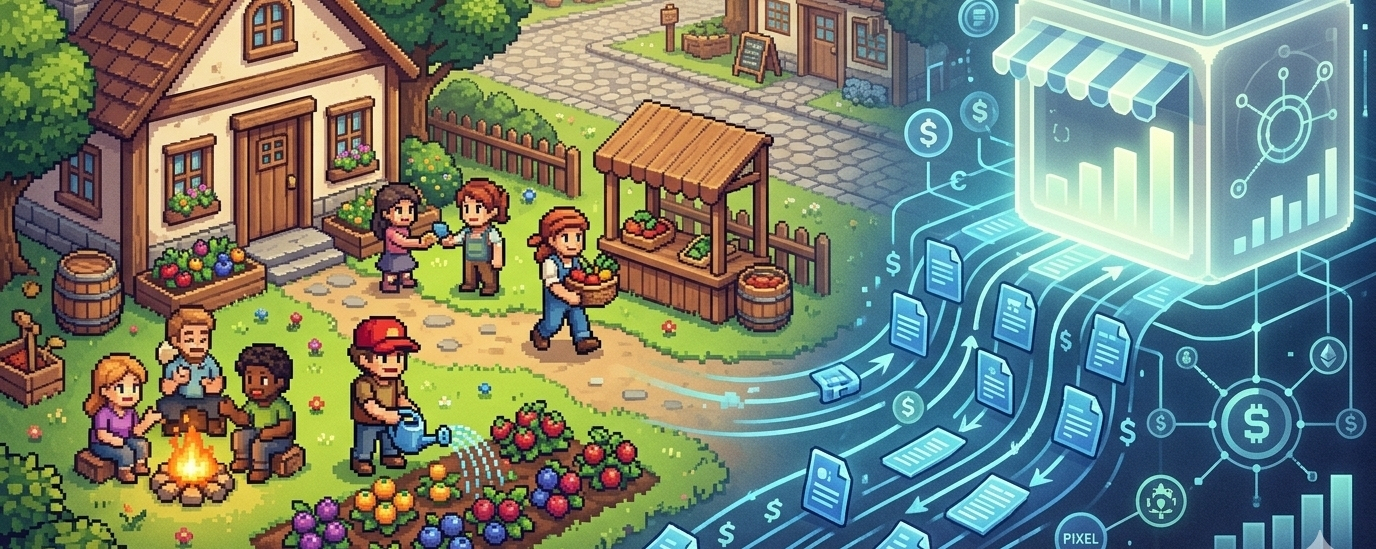
Ich habe eine Menge Zeit damit verbracht, zu beobachten, wie Pixels in der Praxis tatsächlich funktioniert, und was mir auffällt, ist nicht die Oberfläche—der Kunststil, die Landwirtschaftsschleife oder sogar das soziale Framing—sondern die Art und Weise, wie es still Verhalten durch Einschränkungen strukturiert. Es ist einfach, es als ein Web3-Landwirtschaftsspiel zu beschreiben, aber dieses Framing verpasst den interessanteren Punkt. Was ich sehe, ist ein System, das vertraute Spielmechaniken nutzt, um eine Reihe von On-Chain-Interaktionen zu normalisieren, ohne die Benutzer zu bitten, explizit darüber nachzudenken.
Die Entscheidung, auf Ronin zu bauen, ist nicht zufällig. Die Umgebung von Ronin ist auf niedrige Reibung und hochfrequente Interaktionen abgestimmt, und Pixels nutzt dies. Aktionen, die anderswo umständlich oder teuer erscheinen würden—Ressourcensammeln, Handwerk, Handel—werden hier zur Routine. Das verändert die Psychologie der Benutzer auf subtile Weise. Wenn Interaktionen billig und schnell sind, hören die Benutzer auf, ihre Aktionen zu rationieren. Sie experimentieren mehr, wiederholen Verhaltensweisen ohne Zögern, und im Laufe der Zeit werden diese Verhaltensweisen zu Gewohnheiten. Pixels muss den Benutzern nicht abstrakt über Wallets oder Transaktionen beibringen; es bettet diese Ideen in Schleifen ein, die sich wie gewöhnliches Gameplay anfühlen.
Was ich besonders aufschlussreich finde, ist, wie das Spiel mit Eigentum und Persistenz umgeht. Vermögenswerte existieren in einer Weise, die technisch extern zum Spiel-Client ist, aber die Erfahrung ist so gestaltet, dass diese Trennung selten sichtbar wird. Die meisten Spieler denken nicht über die Verwahrung von Vermögenswerten nach; sie denken über ihren Bauernhof, ihren Fortschritt, ihre Position in der Welt nach. Diese Abstraktion leistet echte Arbeit. Sie senkt die kognitive Belastung, die für die Teilnahme erforderlich ist, während sie dennoch die zugrunde liegende Struktur bewahrt. Effektiv behandelt Pixels die Blockchain als eine Koordinationsschicht und nicht als ein Merkmal.
Das Open-World-Design verstärkt dies. Indem es Spielern ermöglicht wird, sich frei zu bewegen, Ressourcen zu sammeln und mit gemeinsamen Räumen zu interagieren, schafft das System ein Basiselement der Interdependenz. Kein einzelner Spieler agiert lange isoliert. Selbst etwas so Einfaches wie die Verteilung von Ressourcen beginnt, Verhalten zu formen. Bestimmte Bereiche werden aktiver, nicht weil das Spiel die Spieler explizit dorthin lenkt, sondern weil die zugrunde liegenden Anreize sie in diese Richtung schieben. Im Laufe der Zeit entstehen Muster: informelle Spezialisierung, Clusterbildung von Aktivitäten und eine Art emergente Wirtschaft, die organisch wirkt, aber tatsächlich das Produkt sorgfältig abgestimmter Mechaniken ist.
Ich denke, die Landwirtschaftsschleife wird oft missverstanden. Es ist nicht nur eine lässige Aktivitätsschicht; es ist ein Tempo-Mechanismus. Die Landwirtschaft führt Zeitverzögerungen, Ressourcenabhängigkeiten und vorhersehbare Zyklen ein. Diese Elemente verlangsamen das System gerade genug, um zu verhindern, dass es in reine Ausbeutung kollabiert. Wenn alles sofort wäre, würden die Benutzer durch Inhalte rasen und sich disengagieren. Durch die Einführung von Reibung in Form von Zeit schafft das Spiel Raum für andere Verhaltensweisen—soziale Interaktion, Erkundung, Experimentieren—um Fuß zu fassen. Dies ist eine dieser unglamourösen Designentscheidungen, die am Ende viel Gewicht hat.
Es gibt auch eine interessante Spannung zwischen Zugänglichkeit und Tiefe. Auf der Oberfläche ist Pixels einfach zu betreten. Die Steuerungen sind einfach, die Ziele sind klar, und die frühe Erfahrung ist nachsichtig. Aber je mehr Zeit die Benutzer im System verbringen, desto mehr beginnen sie, Schichten zu begegnen, die ein bewussteres Engagement erfordern. Handwerksketten, Ressourcenmanagement und Koordination mit anderen Spielern führen schrittweise Komplexität ein. Diese gestufte Exposition ist wichtig, da sie mit der Art und Weise übereinstimmt, wie Menschen tatsächlich Systeme lernen. Anstatt die Benutzer von Anfang an zu überwältigen, ermöglicht Pixels, dass das Verständnis durch wiederholte Interaktion angesammelt wird.
Aus der Perspektive eines Entwicklers ist die Umgebung, die Pixels schafft, leise lehrreich. Indem es zeigt, dass On-Chain-Elemente integriert werden können, ohne die Benutzererfahrung zu dominieren, setzt es einen Präzedenzfall dafür, wie ähnliche Systeme aufgebaut werden könnten. Die Erkenntnis ist nicht, dass alles On-Chain sein muss, sondern dass bestimmte Komponenten—Eigentum, Übertragbarkeit, Persistenz—externalisiert werden können, ohne die Kernschleife zu stören. Diese Trennung von Anliegen macht das System flexibler. Es erlaubt verschiedenen Schichten, unabhängig zu evolvieren, während sie dennoch zusammenarbeiten.
Was ich leicht übersehen kann, aber zunehmend wichtig ist, ist, wie das Spiel mit sozialer Präsenz umgeht. Die Welt ist so bevölkert, dass andere Spieler sichtbar und relevant, aber nicht überwältigend sind. Man sieht Aktivitäten, man trifft andere, aber man ist nicht gezwungen, in ständiger Interaktion zu sein. Dieses Gleichgewicht schafft ein Hintergrundgefühl von Gemeinschaft, ohne jeden Moment zu einer sozialen Verpflichtung zu machen. Im Laufe der Zeit kann diese Art von ambienter Präsenz effektiver sein als explizite soziale Funktionen. Sie fördert die Teilnahme, ohne sie zu verlangen.
Die wirtschaftliche Schicht funktioniert auf ähnlich zurückhaltende Weise. Statt Transaktionen in den Vordergrund zu stellen, bettet das System sie in alltägliche Aktionen ein. Handel, Handwerk und Ressourcenaustausch fühlen sich wie natürliche Erweiterungen des Gameplays an, anstatt separate Aktivitäten zu sein. Diese Integration verringert die psychologische Barriere für die Teilnahme. Benutzer „betraten keinen Markt“; sie spielen einfach weiter. Die Unterscheidung mag klein erscheinen, hat aber echte Konsequenzen dafür, wie Menschen im Laufe der Zeit mit dem System interagieren.
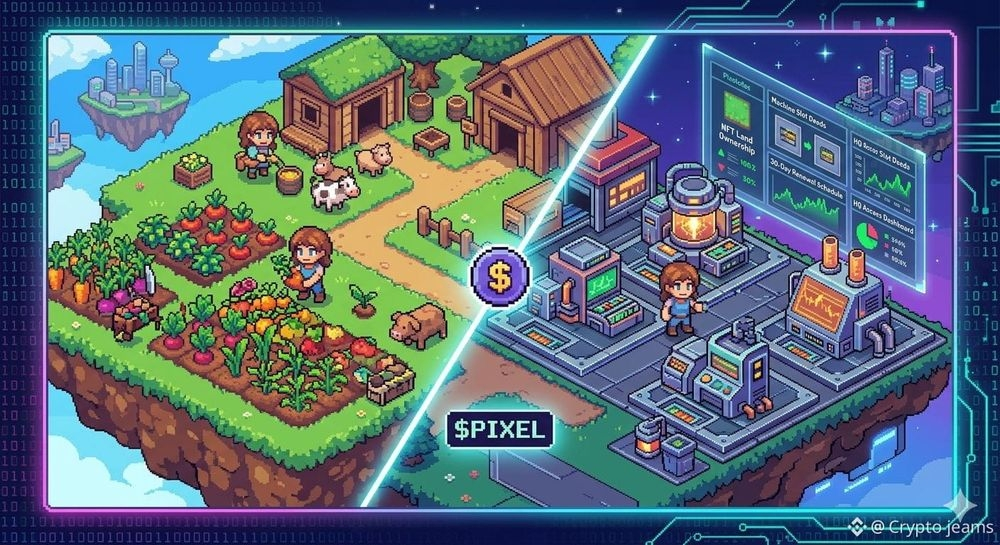
Es gibt bei all dem Kompromisse. Indem Pixels Reibung glättet und Komplexität abstrahiert, besteht das Risiko, dass einige seiner zugrunde liegenden Mechaniken unsichtbar werden. Benutzer verstehen möglicherweise nicht vollständig die Systeme, an denen sie teilnehmen, was ihre Fähigkeit einschränken kann, informierte Entscheidungen zu treffen. Gleichzeitig würde das Offenlegen zu vieler Details wahrscheinlich die Teilnahme abschrecken. Das Design bewegt sich auf einem schmalen Grat zwischen Transparenz und Benutzerfreundlichkeit und löst diese Spannung nicht immer sauber.
Eine weitere Einschränkung ergibt sich aus der Notwendigkeit, das Gleichgewicht in einem offenen System aufrechtzuerhalten. Wenn Benutzer frei handeln und auf viele verschiedene Arten interagieren können, können unbeabsichtigte Verhaltensweisen auftreten. Einige davon sind produktiv und führen zu neuen Formen des Engagements. Andere können das System belasten und Ungleichgewichte oder Ineffizienzen schaffen. Dies zu managen erfordert ständige Anpassungen, oft in Bereichen, die für die meisten Spieler nicht sichtbar sind. Es ist ein kontinuierlicher Prozess und keine einmalige Lösung.
Was ich immer wieder feststelle, ist, wie viel von Pixels’ Einfluss von Dingen kommt, die leicht zu ignorieren sind. Das Timing von Aktionen, die Verteilung von Ressourcen, die Art und Weise, wie Schnittstellen die Aufmerksamkeit lenken—das sind nicht die Elemente, die Schlagzeilen anziehen, aber sie sind die, die bestimmen, ob das System tatsächlich funktioniert. Sie prägen, wie Benutzer sich täglich verhalten, wie sie Gewohnheiten bilden und wie sie zur zugrunde liegenden Infrastruktur stehen.
In diesem Sinne fühlt sich Pixels weniger wie ein Produkt an, das beeindrucken soll, und mehr wie ein System, das genutzt werden soll. Seine Entscheidungen sind nicht immer auffällig, aber sie sind absichtlich. Durch das Einbetten von On-Chain-Interaktionen in vertraute Schleifen, das Tempo des Engagements durch zeitbasierte Mechaniken und das Gleichgewicht zwischen Zugänglichkeit und schrittweiser Komplexität schafft es eine Umgebung, in der die Teilnahme zur Routine werden kann. Das ist für mich die interessantere Geschichte. Nicht was das System zu sein behauptet, sondern wie es still Verhalten lenkt, sobald die Menschen darin sind.