
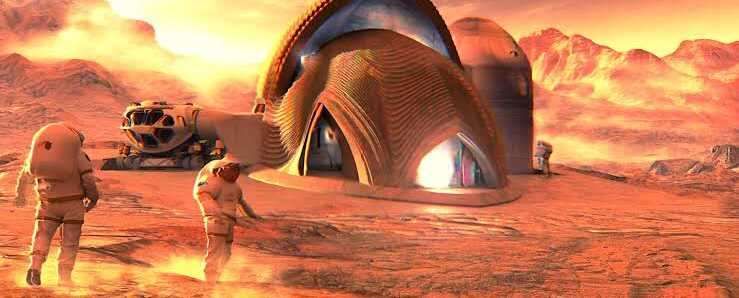
As humanity moves closer to becoming a multi-planetary species, the concept of money will inevitably evolve. Establishing human settlements on Mars will not only challenge our engineering capabilities but also redefine how financial systems operate beyond Earth.
So what happens to currency when we live on different planets?
Traditional financial infrastructure relies heavily on centralized institutions, geographic boundaries, and regulatory frameworks. Extending these systems across planets would introduce delays, complexity, and inefficiencies.
This is where crypto becomes highly relevant.
A decentralized financial system offers clear advantages in an interplanetary environment. It operates independently of borders, minimizes reliance on intermediaries, and enables seamless value transfer as long as network connectivity exists. Whether someone is on Earth or Mars, the underlying system remains consistent.
Now imagine a typical day in a Martian economy:
• Salaries credited in digital assets rather than fiat
• Essential resources like oxygen and water priced transparently on-chain
• Digital ownership of assets such as equipment or habitats verified through blockchain
Even the concept of transaction costs may evolve, where users humorously shift from discussing gas fees to “rocket fees.”
On a serious note, the absence of a unified planetary authority makes decentralized finance a strong candidate for enabling trust and efficiency across planets. Crypto could form the foundation of a truly global and eventually interplanetary financial ecosystem.
And perhaps one thing will remain unchanged across worlds:
Someone, somewhere, will still say,
“I should have bought Bitcoin earlier.”
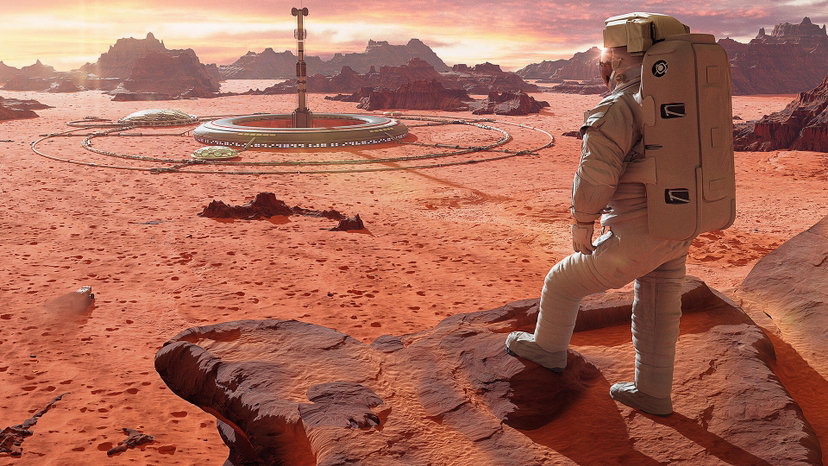
 The future of finance is not just digital. It is interplanetary. 🌌