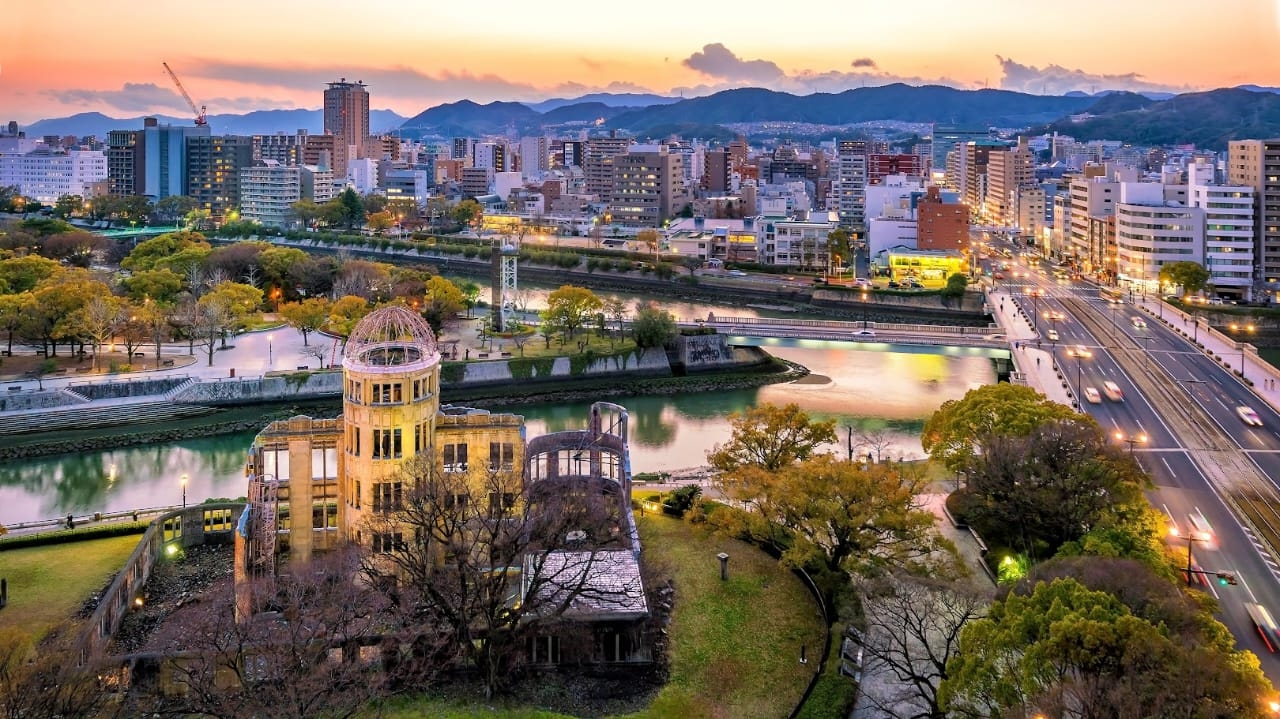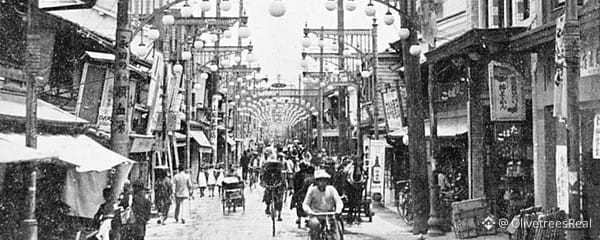
It was a bright, clear summer morning like any other. Housewives hung laundry to dry and prepared breakfast while children chattered and laughed in the streets, their voices rising above the familiar rhythm of daily life in Hiroshima.
Then, at 8:15 a.m. on August 6, 1945, everything changed in an instant. A single aircraft released a bomb nicknamed "Little Boy" high above the city. A brilliant flash lit the sky, followed by a powerful blast that leveled much of Hiroshima. In the moments that followed, the city was engulfed in fire and chaos. Thousands of lives were lost immediately, and many more would suffer in the days and weeks ahead from injuries and the effects of the new weapon. Eerie outlines of people and objects remained imprinted on walls and streets where the intense light and heat had struck — silent reminders of those who had been there only moments before.
Survivors later spoke of the confusion and hardship that followed: streets filled with smoke and debris, people searching desperately for loved ones amid the destruction. Black rain began to fall — a dark, sticky precipitation carrying particles from the blast — adding to the disorientation and hardship. By the end of 1945, an estimated 90,000 to 166,000 people had perished in Hiroshima from the immediate effects and related causes. Three days later, a second bomb, "Fat Man," struck Nagasaki, claiming another 60,000 to 80,000 lives. From one city to another, the devastation compounded until surrender became unavoidable.
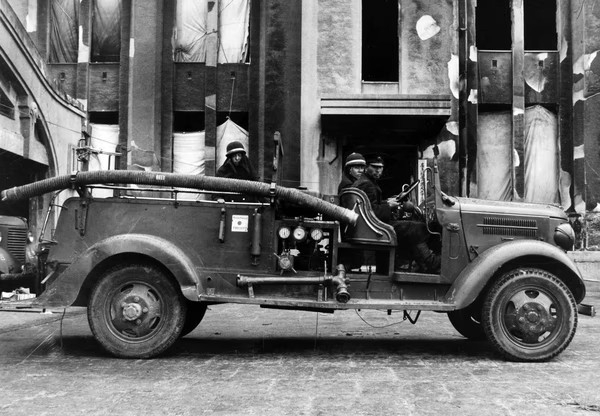
Yet this horror also marked the swift conclusion of a long and devastating world war. Japan had endured years of conflict and showed no sign of accepting unconditional surrender, even after extensive conventional bombing of its cities. Its military leaders were preparing a fierce defense of the home islands, expecting civilians to join in the resistance. Allied planners anticipated that a full-scale invasion could result in hundreds of thousands to over a million casualties on the Allied side, and millions more among Japanese soldiers and civilians from fighting, hardship, and starvation.
The atomic bombings, combined with the Soviet Union's entry into the war against Japan, shocked the Japanese leadership. On August 15, 1945, Emperor Hirohito announced the surrender, urging his people to "endure the unendurable." The deadliest war in history came to an end without the prolonged bloodshed of an invasion. In this sense, "Little Boy" delivered both profound tragedy and a forced path to peace.
The moral questions remain as difficult today as they were then. The bombings caused suffering on a scale never seen before, targeting cities with large civilian populations. At the same time, many argue they prevented even greater loss of life by bringing the war to a rapid close. The hibakusha — those who survived the bombings — carried the physical and emotional weight for decades, reminding the world of the human cost of such weapons. Their stories helped usher in an era where nuclear weapons, though developed further, have not been used again in conflict.
Eighty years later, the shadow of Hiroshima still offers a sobering perspective on how wars end — or fail to end cleanly. In early 2026, escalations in the Middle East once again highlighted the heavy human toll of sudden and intense conflict. The United States and Israel conducted airstrikes on Iranian targets starting in late February, prompting Iranian missile and drone responses, as well as involvement from Hezbollah in Lebanon through rocket attacks on Israel. This led to widespread airstrikes and ground operations in southern Lebanon, causing significant damage to infrastructure, displacing over a million people, and interrupting the daily lives of countless families.
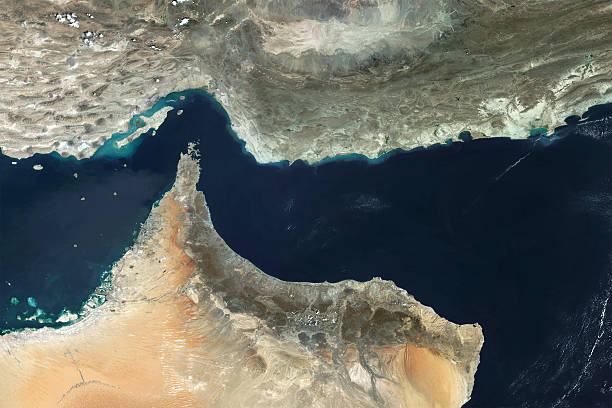
As of mid-April 2026, fragile pauses have taken hold: a two-week ceasefire between the US and Iran (brokered with international involvement), and a 10-day truce between Israel and Lebanon that began just days ago. These temporary agreements aim to open space for negotiations, yet they remain tense, with reports of violations, continued military presence in some areas, and unresolved issues around security and disarmament. The echoes are unmistakable: civilians bear the brunt, and endings come only through exhaustion, pressure, and compromise.
Hiroshima and Nagasaki teach us that endings to war are rarely clean or without cost. Sometimes, the choice is between terrible options. The story of that bright summer morning in 1945 — ordinary life interrupted by unprecedented force — urges us to reflect on how we pursue peace today: through strength and resolve when necessary, but always with deep awareness of war's human price. In a world still marked by conflict, the true measure of any decision lies not only in the lives it claims, but in the greater suffering it may prevent.