
I've been watching Pixels for a while. At first, it looked like just another farming game. Cute graphics. Simple mechanics. Nothing special.
I was wrong.
Behind the scenes, the Pixels team was doing something no one else was willing to do: they spent four years building infrastructure instead of chasing hype .
The Problem They Solved
Every play-to-earn game faces the same death spiral: launch token → players farm → bots drain value → economy collapses → game dies .
Pixels experienced this too. But instead of giving up, they reverse-engineered what actually works. They built Stacked — a rewards engine with an AI game economist that learns from player behavior .
The Numbers That Prove It's Working
Before opening to external studios, Stacked generated:
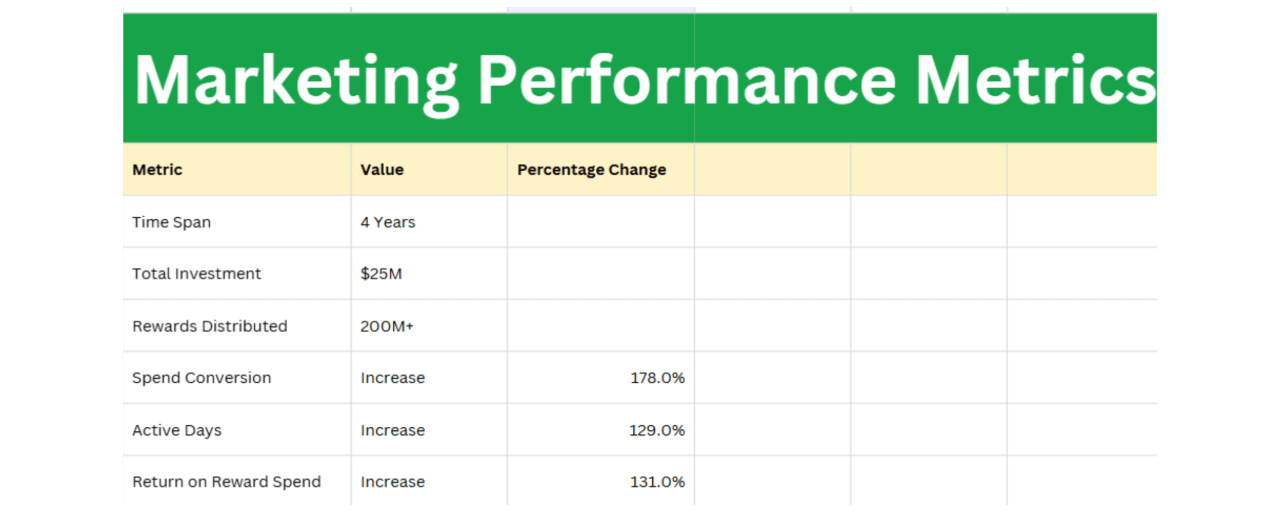
$25M+ in revenue for Pixels
200M+ rewards processed across millions of players
178% increase in spend conversion for targeted campaigns
129% rise in active days per user
131% return on reward investment — for every $1 in rewards, $1.31 comes back
These aren't projections. These are live results from Pixels' own ecosystem.
How the AI Game Economist Actually Works
I read through the technical details. Here's what Stacked's AI does that traditional reward systems don't :
Predicts churn before it happens — It identifies players likely to quit between Day 3 and Day 7 and offers targeted rewards to keep them engaged.
Filters out bots automatically — Instead of manual anti-fraud measures, the AI learns what bot behavior looks like and blocks rewards before they're claimed.
Suggests reward experiments — You can literally ask the AI: "Which players are dropping off? What reward would keep them?" and it generates recommendations .
Real-time economic balancing — The AI monitors token supply and demand, adjusting reward parameters automatically to prevent inflation .
What This Means for $PIXEL
Here's the part that clicked for me. $PIXEL is no longer just a token for one farming game. It's becoming the fuel for an entire network of games using Stacked .
Every external studio that integrates Stacked creates more demand for $PIXEL. Every reward distributed in $PIXEL rengthens the token's utility. The ecosystem grows without Pixels having to build every game themselves.
The "Redirect Ad Spend" Thesis
This is the part that convinced me this is sustainable.
Gaming studios spend billions on user acquisition through ads. Stacked flips this: instead of paying Facebook and Google, studios redirect that budget directly to players who actually engage .
The ROI becomes measurable. The reward loop becomes auditable. And players get paid for behavior that matters — not for watching ads.
One Honest Concern
Stacked is launching first within Pixels' own games. External studios can join, but the team is prioritizing first-party titles initially .
The real test will be when major external studios adopt it. Will they see the same 178% lift? Or is this unique to Pixels' audience?
I don't know yet. That's what I'm watching.
The Bottom Line
Most Web3 games sell a vision. Pixels built one — quietly, for four years, with real revenue and real players.
Stacked isn't a pivot. It's the culmination of everything they've been working toward. And now they're opening it to the world .
For $PIXEL Holders, this is the difference between a single-game token and ecosystem infrastructure.