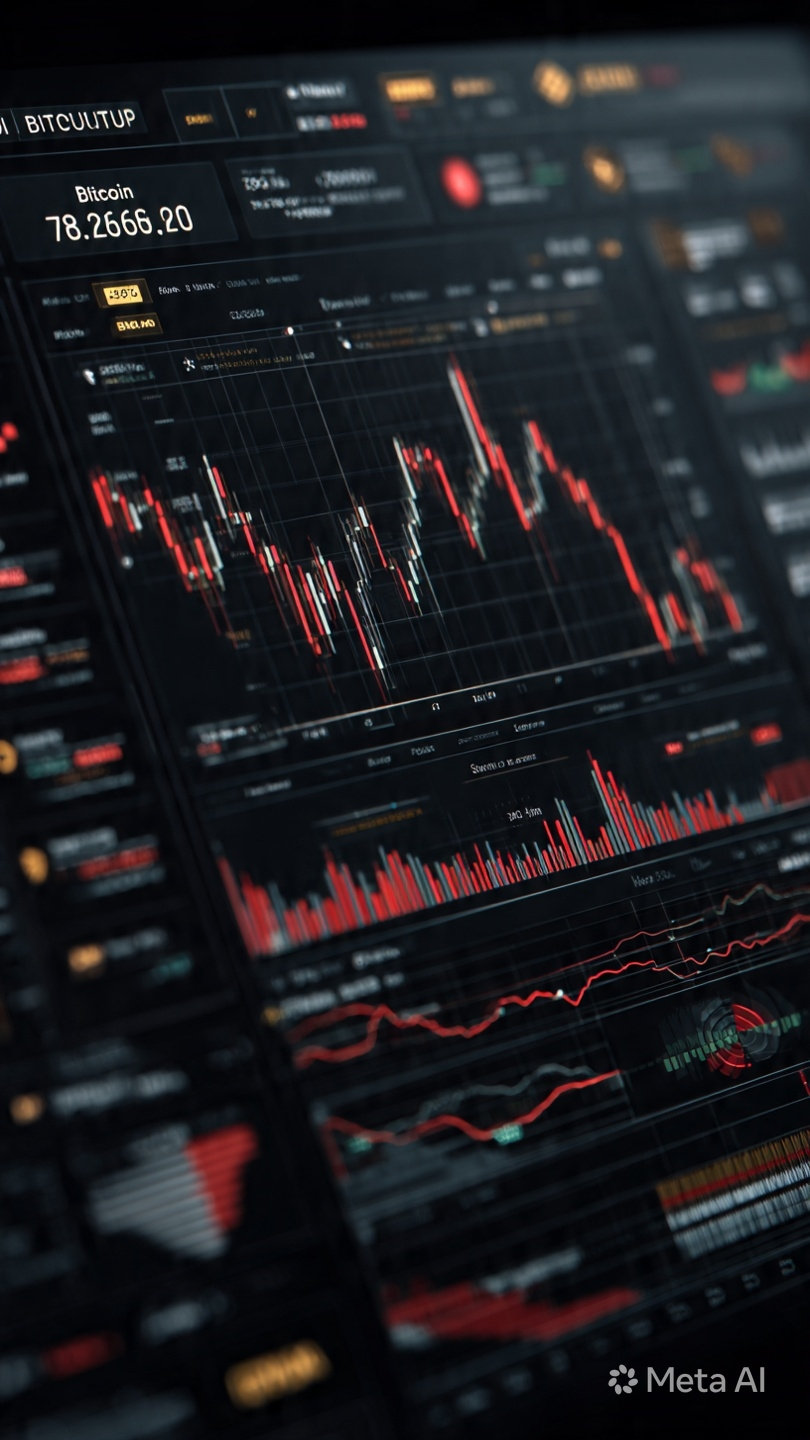
Bitcoin ($BTC ) is the first and most influential cryptocurrency, created in 2009 by the anonymous figure known as Satoshi Nakamoto. It operates on a decentralized blockchain network, meaning no government, bank, or central authority controls it. This makes Bitcoin fundamentally different from traditional currencies and a key asset in the global digital economy.
🔹 What Bitcoin actually is
Bitcoin is a peer-to-peer digital currency designed to allow secure, transparent, and borderless transactions. It has a fixed maximum supply of 21 million coins, making it scarce by design. This scarcity is one of the main reasons it is often compared to “digital gold.”
Unlike fiat money, Bitcoin cannot be printed or inflated by central banks. Every transaction is verified by miners through a process called proof-of-work, which secures the network and maintains trust without intermediaries.
🔹 Why Bitcoin is important in today’s market
Bitcoin plays a central role in the entire crypto ecosystem:
It is the primary benchmark asset for the crypto market
Most altcoins are priced against $BTC or USDT pairs
Institutional investors use $BTC as a long-term store of value
It is increasingly seen as a hedge against inflation and currency devaluation
The approval and growth of Bitcoin Spot ETFs in the U.S. have further strengthened its legitimacy, allowing traditional investors to gain exposure without directly holding the asset.
🔹 Market behavior and volatility
Bitcoin is known for its strong price cycles:
Sharp bull runs driven by demand and adoption
Deep corrections due to leverage and macro conditions
High sensitivity to interest rates, regulation, and ETF flows
Recent market data shows that despite short-term volatility, institutional inflows into Bitcoin ETFs continue, signaling long-term confidence from large financial players.
🔹 Key risks and considerations
High price volatility compared to traditional assets
Regulatory uncertainty in some regions
Market manipulation risks in derivatives trading
Dependence on global liquidity conditions
🔹 Long-term outlook
Bitcoin is increasingly moving from a speculative asset to a macro financial instrument. Its adoption by institutions, ETF markets, and payment systems is gradually integrating it into the traditional financial world.
If current trends continue, Bitcoin’s role may evolve further as:
A global reserve digital asset
A hedge against monetary instability
A core holding in institutional portfolios