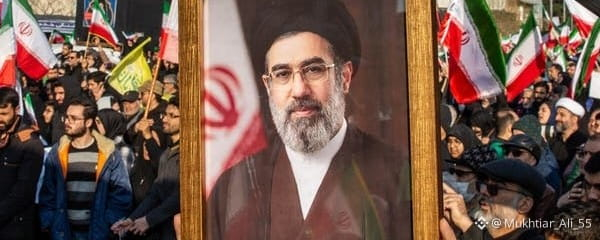
Iran is undergoing a profound transformation in its political and power structure following the killing of Ali Khamenei. His death has not only marked the end of an era defined by centralized authority but has also ushered in a new, more complex system of leadership—one increasingly dominated by military influence rather than clerical control.
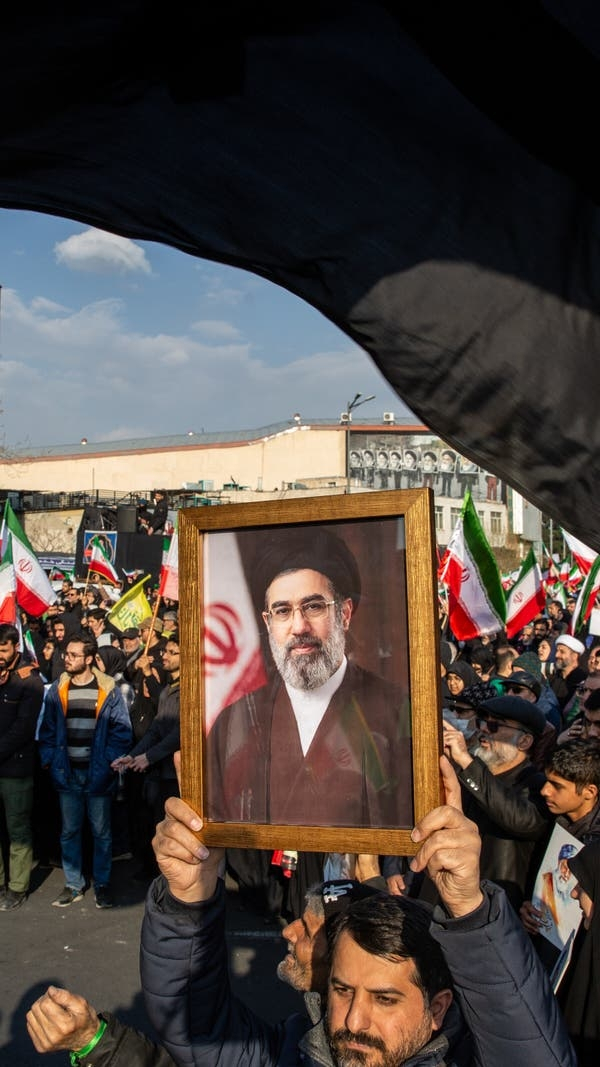
At the center of this transition is Mojtaba Khamenei, who assumed leadership under extraordinary circumstances. Unlike his father, who exercised near-absolute authority over matters of war, diplomacy, and domestic governance, Mojtaba appears to be operating within a collective decision-making framework. Reports suggest that he is relying heavily on senior commanders from the Islamic Revolutionary Guards Corps (IRGC), effectively positioning himself as a coordinating figure rather than a dominant force.
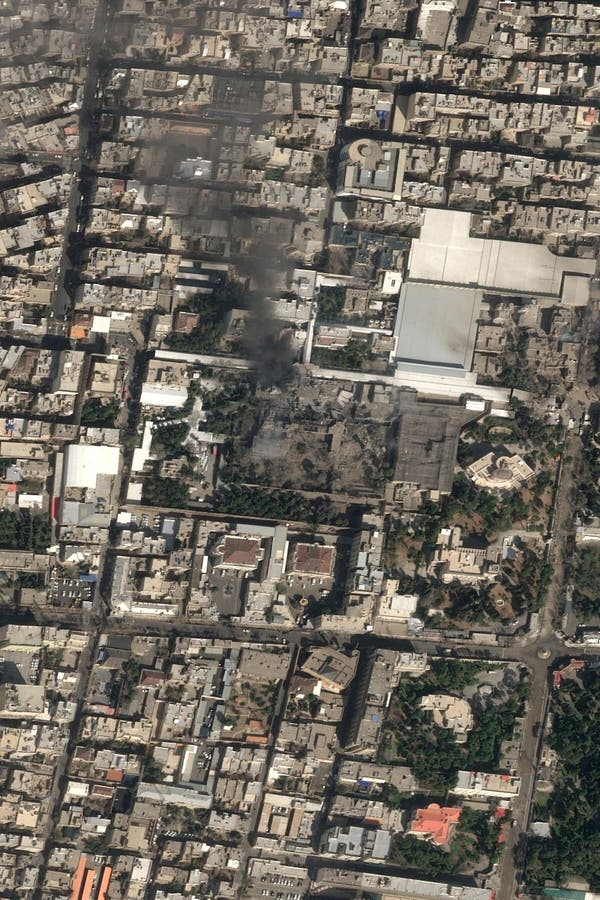
This shift reflects both necessity and political reality. Mojtaba Khamenei, who sustained serious injuries during the airstrikes that killed his father, remains largely out of public view. His limited accessibility and ongoing medical recovery have constrained his ability to directly govern. As a result, communication with him is highly restricted, relying on handwritten messages passed through secure channels. This logistical barrier has further reinforced the delegation of authority to military leaders.
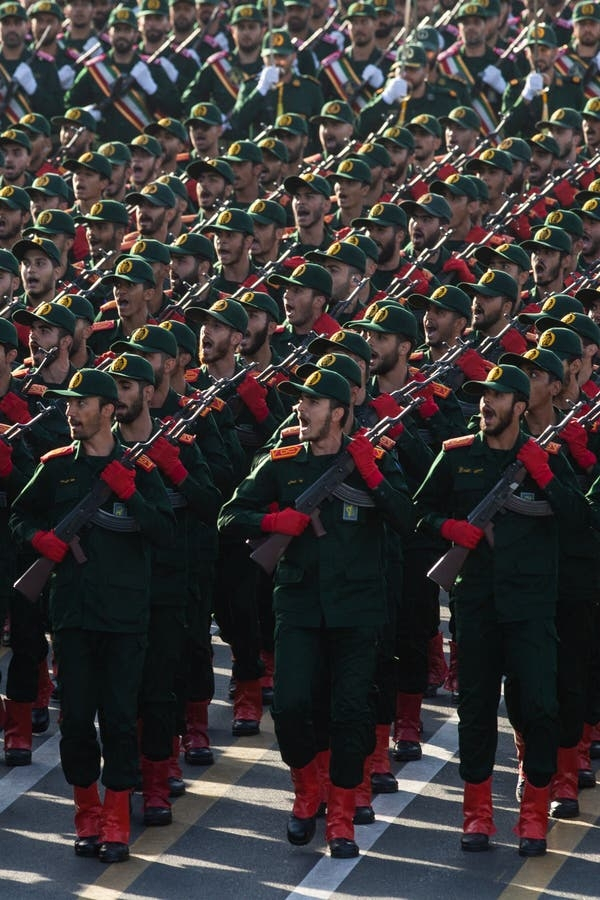
The IRGC, long a powerful institution within Iran, has now emerged as the primary driver of strategic decision-making. Senior figures such as Ahmad Vahidi, Mohammad Bagher Zolghadr, and Yahya Rahim Safavi are playing central roles in shaping Iran’s military and diplomatic strategies. Their influence extends beyond defense, impacting foreign policy, economic decisions, and even negotiations with global powers.
One of the most striking developments has been the IRGC’s direct involvement in diplomatic efforts. Traditionally led by civilian officials, negotiations with the United States are now being spearheaded by military-aligned figures such as Mohammad Bagher Ghalibaf. This change underscores the extent to which military leadership has eclipsed civilian authority in critical areas of governance.
The evolving power structure has also influenced Iran’s approach to the ongoing conflict with the United States and its allies. Decisions such as the closure of the Strait of Hormuz—a move with significant global economic implications—have been driven primarily by the IRGC. The group’s strategy reflects a hardline stance aimed at preserving the regime while leveraging military gains for diplomatic advantage.
Despite this consolidation of power, Iran’s political system remains inherently complex. Figures like Masoud Pezeshkian and Abbas Araghchi continue to participate in governance, particularly in managing domestic affairs and economic stability. However, their influence appears limited compared to that of the military leadership, especially on issues of national security and foreign policy.
Internal divisions are also beginning to surface. While the IRGC has largely maintained a unified front, disagreements have emerged between military leaders and civilian officials over key issues such as negotiations with the United States. For instance, debates over whether to continue diplomatic talks amid ongoing economic pressure and military tensions highlight differing priorities within the leadership. Ultimately, the generals have prevailed in these disputes, reinforcing their dominant position.
The broader implications of this shift are significant. The increasing marginalization of clerical authority signals a departure from the traditional foundations of the Islamic Republic, where religious leadership played a central role. Instead, Iran is moving toward a model where military power and strategic considerations take precedence.
Internationally, this transformation complicates efforts to engage with Iran. The involvement of military figures in diplomacy introduces new dynamics, as negotiations are now shaped by individuals with direct stakes in the conflict. This raises questions about the prospects for de-escalation and the potential for reaching agreements on contentious issues such as Iran’s nuclear program.
At the same time, the internal consolidation of power within the IRGC may provide a degree of stability in the short term. The group’s centralized command structure and cohesive strategy could enable more decisive action during a period of crisis. However, this comes at the cost of reduced political plurality and increased reliance on hardline approaches.
In conclusion, Iran’s post-Khamenei era is defined by a significant redistribution of power. While Mojtaba Khamenei remains the symbolic leader, real authority increasingly resides with the military elite. This shift not only reshapes Iran’s داخلی governance but also has far-reaching implications for regional stability and global geopolitics. As the situation continues to evolve, the balance between military dominance and political governance will be a critical factor in determining Iran’s future trajectory.
#IranPolitics #MiddleEastCrisis #Geopolitics #IRGC #JointEscapeHatchforAaveETHLenders