From Zero to One of Web3's Highest Daily Active User Counts: What $PIXEL's Origin Story Tells Us About Its Future
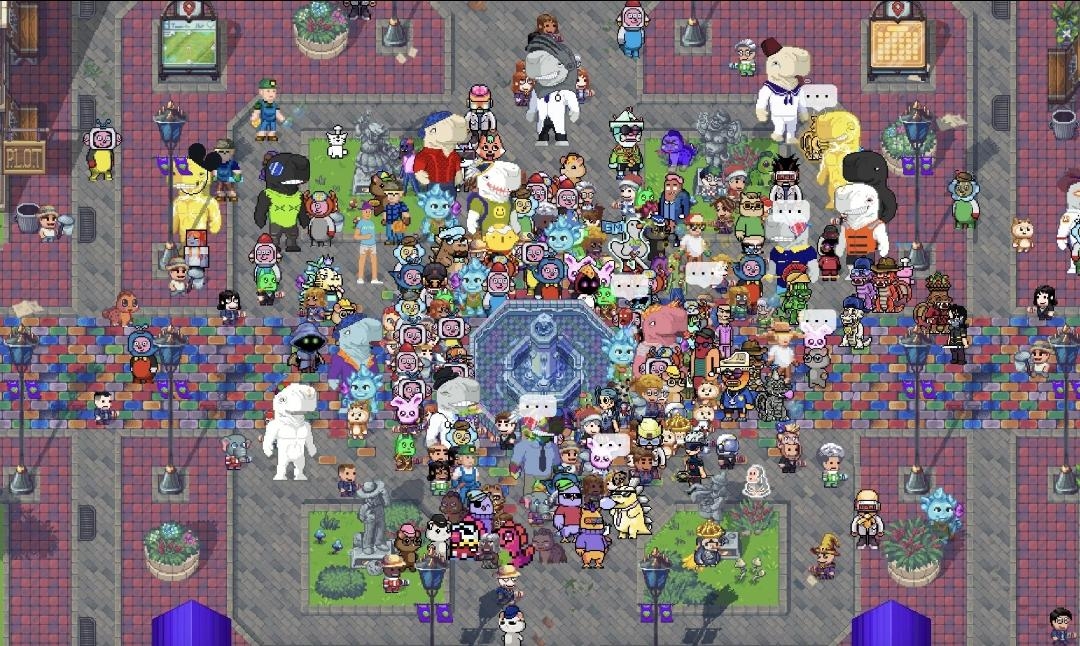
@Pixels :started with $200 in the company's bank account. That is not a figure of speech or a story told to sound humble in interviews it is the actual number. In late 2021, Luke Barwikowski and a tiny team launched the first version of a browser-based farming game with almost no budget and no guarantee anyone would show up. The land NFT mint in January 2022 sold out in seconds and brought in $2.4 million in a single day. By 2024, the game had reached one million daily active users and become the most played blockchain game in the world with less than $2,000 spent on traditional marketing across its entire lifetime. Most blockchain gaming projects raise tens of millions of dollars before launching anything. Pixels built a real audience first, raised money after, and never lost sight of what actually brought people in: a game worth playing. That sequence matters. It is why the $PIXEL whitepaper's bigger promises a multi-game publishing empire, a data-driven reward network, a model that transcends Web3 deserve more serious attention than the average blockchain whitepaper ever earned.
The earliest version of Pixels was not even a farming game. Barwikowski and his team had been experimenting with online social spaces during the 2020 pandemic, building virtual event platforms for companies trying to connect remote employees. That project attracted real users and real companies before it ran its course. When the team pivoted into gaming in late 2021, they brought what they had learned about building social spaces where people actually wanted to spend time. The first Pixels pre-alpha went live in November 2021. Within weeks, dozens of NFT collections had integrated with the game. Within months, the team had a land mint that sold out, funding from Animoca Brands, and over 1,500 daily active users. These were not numbers manufactured by a marketing campaign. They came from a game that was genuinely fun to be inside a social world where players gathered, built things, and talked to each other while farming virtual crops. The social layer was always the foundation, and it was something the team had been building toward since before Pixels existed.
The $BERRY period from late 2022 into 2023 was the hardest chapter. The team launched a soft in-game currency, watched it inflate rapidly, and had to make a painful and public decision to phase it out entirely. Inflation of approximately 2 percent per day compounded into a serious problem fast. The token lost value, extractors drained what was left, and the team had to rebuild the economy from the ground up while keeping players engaged enough to stay. Most projects in this situation quietly shut down or rebranded. Pixels did neither. They published what went wrong, explained what they were changing and why, and kept building. The willingness to name a failure clearly and fix it in public without hiding behind technical jargon or blaming external conditions was the first real signal that this team was different from the average blockchain gaming studio. They treated a failed experiment as data, not as a disaster.
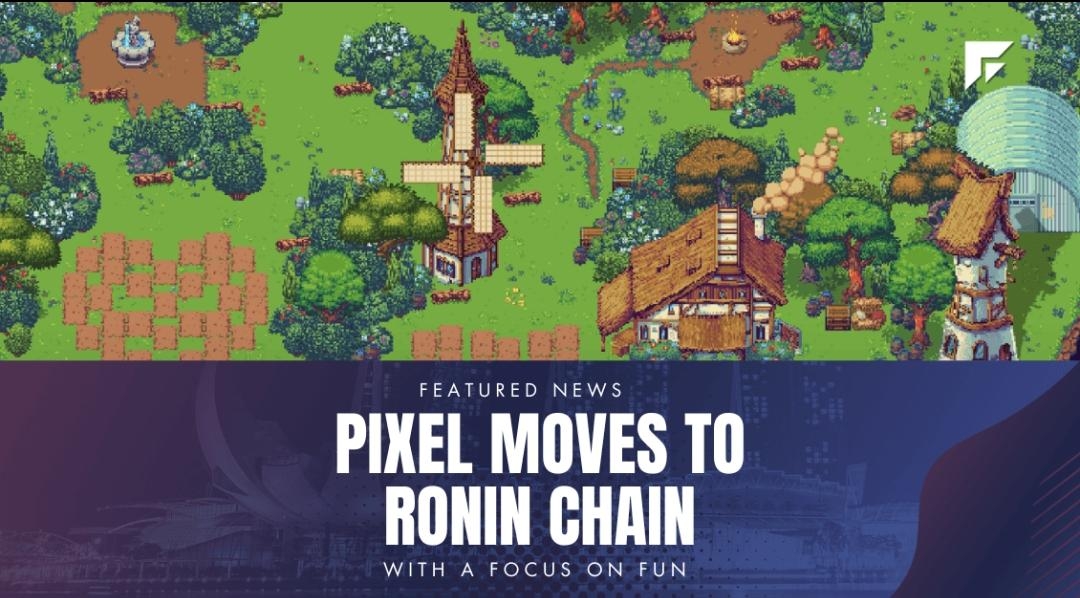
The Ronin migration in October 2023 is what took Pixels from a modest experiment to a global phenomenon. Before the migration, Pixels had between 5,000 and 10,000 daily active users. Within weeks of moving to Ronin, that number jumped to over 170,000. The Axie Infinity community, which had been waiting for a farming game with real social mechanics, discovered Pixels almost immediately. Players in the Philippines, Vietnam, Indonesia, and across Latin America adopted it rapidly. By November 2023, Pixels had 100,000 daily active users most of them in Southeast Asia. By March 2024, it had crossed one million daily active users and was regularly cited as the largest blockchain game in the world by activity. Barwikowski described the decision to move to Ronin not as a criticism of Polygon, where Pixels had originally launched, but as a recognition that Ronin already had the exact audience Pixels needed players already onboarded into Web3 gaming and looking for something worth playing next. Moving to where the players were, rather than trying to manufacture new ones, was a strategic decision that cost almost nothing and produced results that no marketing budget could have bought.
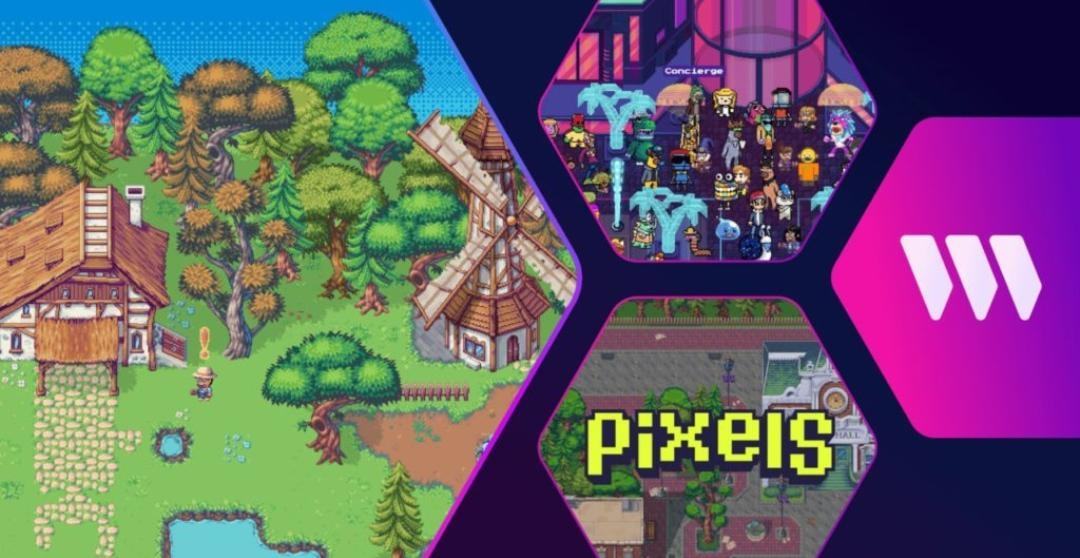
What the origin story proves is not that Pixels got lucky. It proves that the team behind it can identify real opportunities, make difficult decisions under pressure, and execute without the resources that most of their competitors assume are necessary. They built a social world before they built a game. They fixed a broken token economy instead of running from it. They made a platform migration at exactly the right moment and captured a waiting audience. Each of these decisions looks obvious in retrospect but required real judgment at the time. The whitepaper promises a future that includes a multi-game publishing platform, a data-driven reward infrastructure, community governance through staking, and a model for game growth that reaches mainstream players who have never touched crypto. These are large ambitions. But the team making these promises has already shipped a farming game from $200 to one million daily active users, survived a currency collapse, rebuilt an economy, and attracted partner games from other studios who chose to build inside their ecosystem rather than elsewhere. The promises in the whitepaper are credible not because the language is compelling, but because the people writing them have already kept every previous promise they made.