
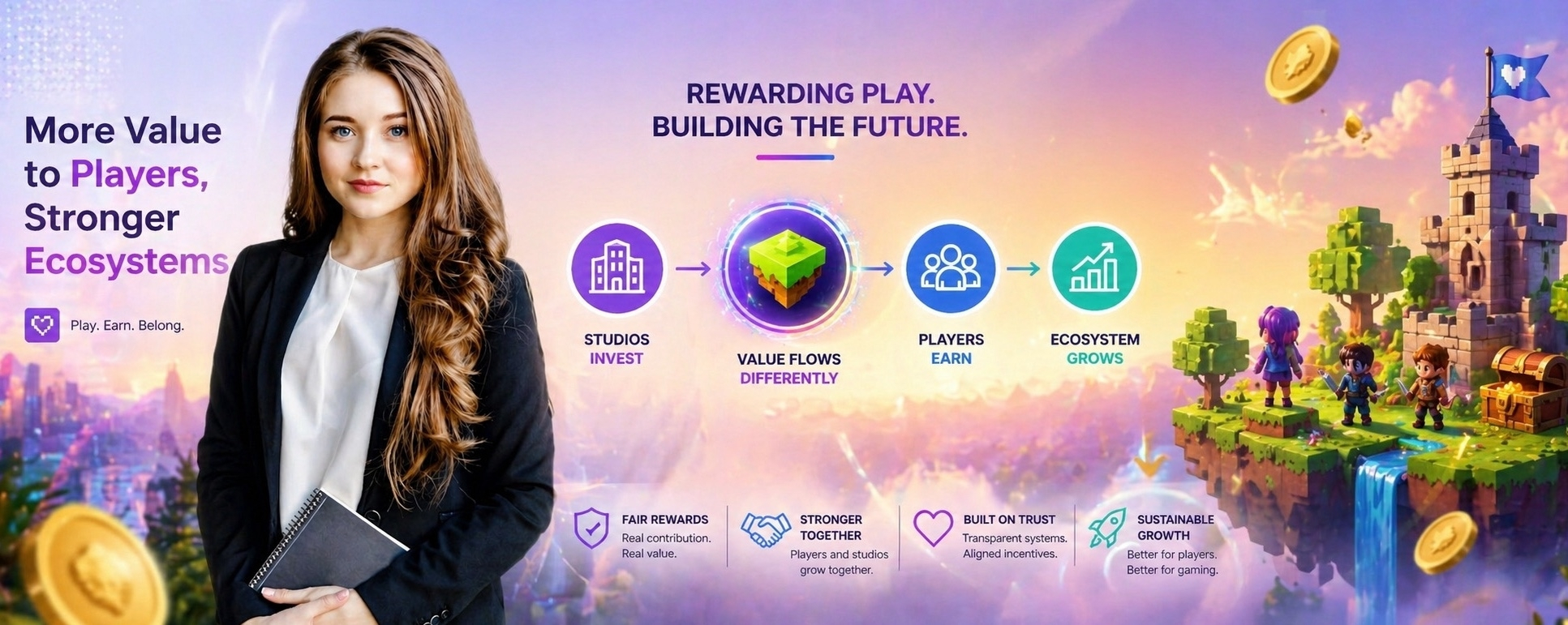
In the rapidly evolving world of blockchain gaming, most people still view value through a traditional lens: tokens, speculation, and short-term price action. But with projects like $PIXEL I believe we’re seeing a shift—one where players, not just investors, could capture a much larger share of the value than many expect.
At first glance, Pixels may look like just another play-to-earn game. But underneath the surface, it’s building something deeper: a player-driven economy where time, skill, and consistency are rewarded in ways that go beyond simple token farming. This is where many people underestimate its potential.
One key reason is ownership of in-game assets. Players aren’t just grinding for rewards; they’re actively building digital value. Land, resources, and crafted items all have utility inside the ecosystem, and as the game grows, demand for these assets could increase. Early and active players position themselves ahead of that curve, benefiting from both scarcity and utility.
Another overlooked factor is the Stacked ecosystem surrounding Pixels. It’s not just about one game—it’s about an interconnected system where engagement compounds value. As more features, integrations, and incentives are layered in, players who are already participating gain an advantage. They’re not starting from zero each time; they’re building on existing progress.
Then there’s the power of network effects. Games thrive on communities, and Pixels is no different. As more players join, the in-game economy becomes more active, resources circulate faster, and opportunities expand. Early players often gain from this growth simply by being present before the crowd arrives. It’s similar to being early in a social platform—your influence and assets grow as the ecosystem scales.
We also can’t ignore player behavior and psychology. Most traders chase volatility, looking for quick profits. Meanwhile, dedicated players quietly accumulate assets, optimize strategies, and reinvest their rewards. Over time, this consistent approach can outperform short-term speculation. It’s not flashy, but it’s effective.
Additionally, Pixels lowers the barrier to entry compared to many blockchain projects. You don’t need large capital to start—you need time, effort, and a willingness to learn. This opens the door for a broader audience, especially in regions where access to traditional investment opportunities is limited. When more people can participate meaningfully, value distribution naturally becomes more player-centric.
Finally, there’s the long-term vision. If $PIXEL continues to expand its economy, improve gameplay, and attract users, the real winners may not just be those who bought tokens early—but those who actively contributed to the ecosystem. Players create the economy, sustain it, and give it life. Without them, there is no value.
In conclusion, while many focus on price charts and token hype, I believe the real opportunity in Pixels lies deeper. The combination of asset ownership, ecosystem growth, and player participation creates a powerful dynamic. And if this trend continues, we may look back and realize that the biggest winners weren’t just investors—but the players who showed up early, stayed consistent, and understood the game beyond the surface.