
@OpenLedger #OpenLedger
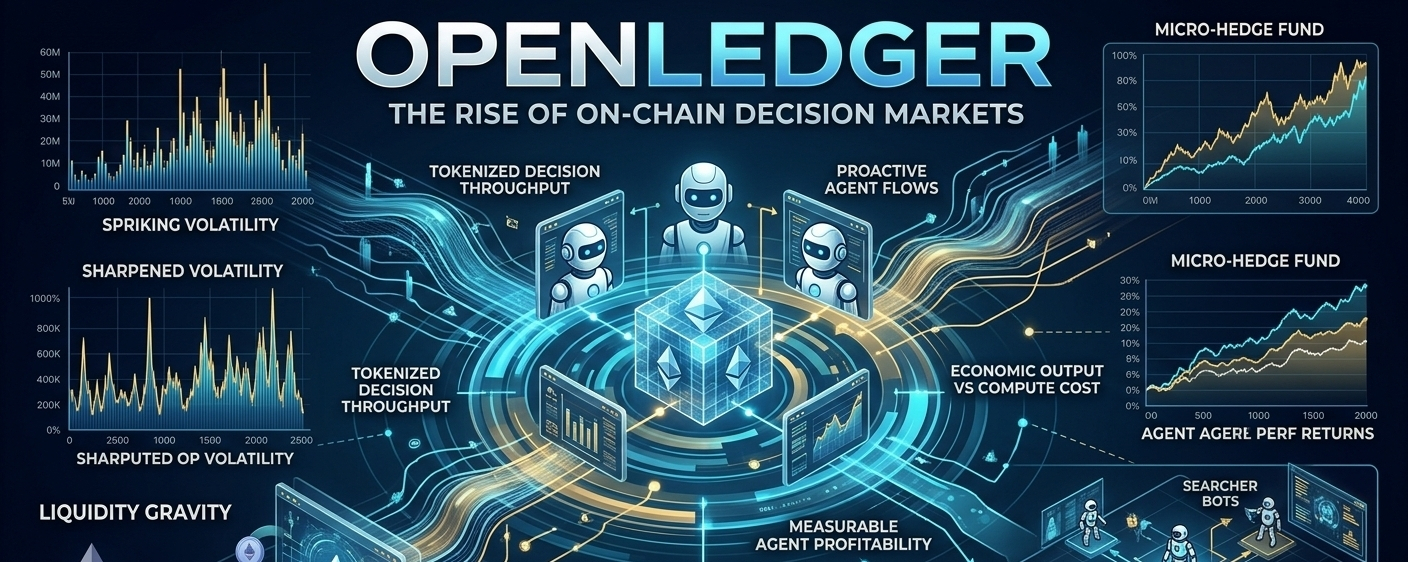
OpenLedger’s core idea isn’t “AI on-chain”that framing misses what actually matters. The real shift is turning AI execution into a priced, stateful flow that lives inside market structure. Most chains tokenize assets or computation capacity; OpenLedger is trying to tokenize decision-making throughput. That’s a very different primitive. If it works, the unit of value isn’t gas or storage it’s action density per unit time. And markets don’t price that cleanly yet.
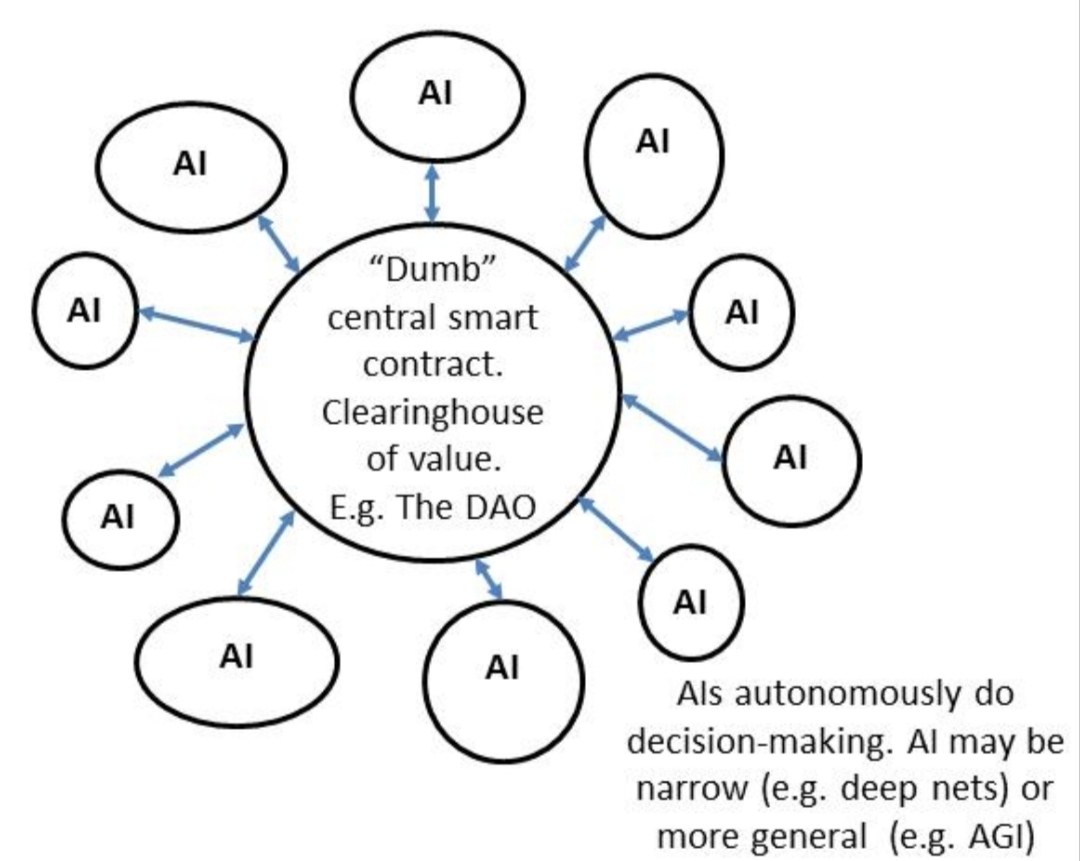
What stands out immediately is how this changes liquidity behavior. Traditional DeFi flows are reactive users bridge, LP, farm, rotate. Agent-driven systems introduce proactive flows: bots executing strategies, rebalancing positions, triggering conditional logic without human latency. That compresses reaction time across the entire system. In practice, it means volatility doesn’t disappear it sharpens. You get faster spikes, faster mean reversion, and thinner windows for discretionary traders to capture edge. If OpenLedger reaches scale, it doesn’t stabilize markets it makes them more efficient and less forgiving.
The on-chain execution model matters more than the AI narrative. If every agent action is settled on-chain, you’re effectively forcing all inference into a transparent cost structure. That creates a measurable ratio between compute cost and economic output. Traders can track whether agents are net profitable, breakeven, or extractive. This is different from off-chain AI where performance is opaque. Here, underperforming models aren’t just bad they’re economically visible liabilities. That visibility will drive capital away from weak agents faster than any narrative cycle ever could.
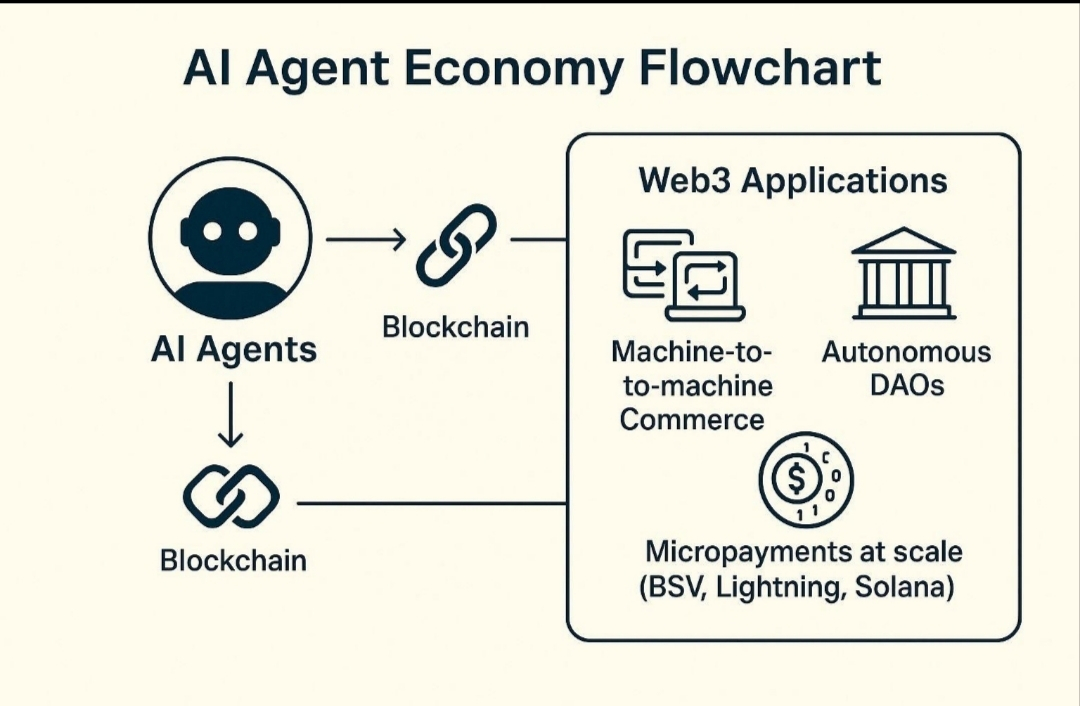
There’s also a subtle but important implication for token demand. Most tokens rely on indirect utility staking, governance, speculative demand. OpenLedger ties demand to execution frequency. If agents are active, the token becomes a throughput asset. But that only holds if execution isn’t subsidized. If incentives artificially boost activity, you’ll see the usual pattern: inflated on-chain metrics with no real economic density behind them. The market will catch that quickly by comparing fee burn, net inflows, and agent profitability. Fake activity doesn’t survive in systems where every action has a cost.
The architecture choice to align with Ethereum standards is less about compatibility and more about capital gravity. Liquidity doesn’t migrate unless friction is near zero. By making wallets, contracts, and L2 integrations native, OpenLedger isn’t asking for new capital it’s intercepting existing flows. That’s a much stronger position. In practice, this means early traction won’t come from new users experimenting with AI agents. It’ll come from existing DeFi capital quietly routing a portion of its activity through agent frameworks to improve yield or execution efficiency.
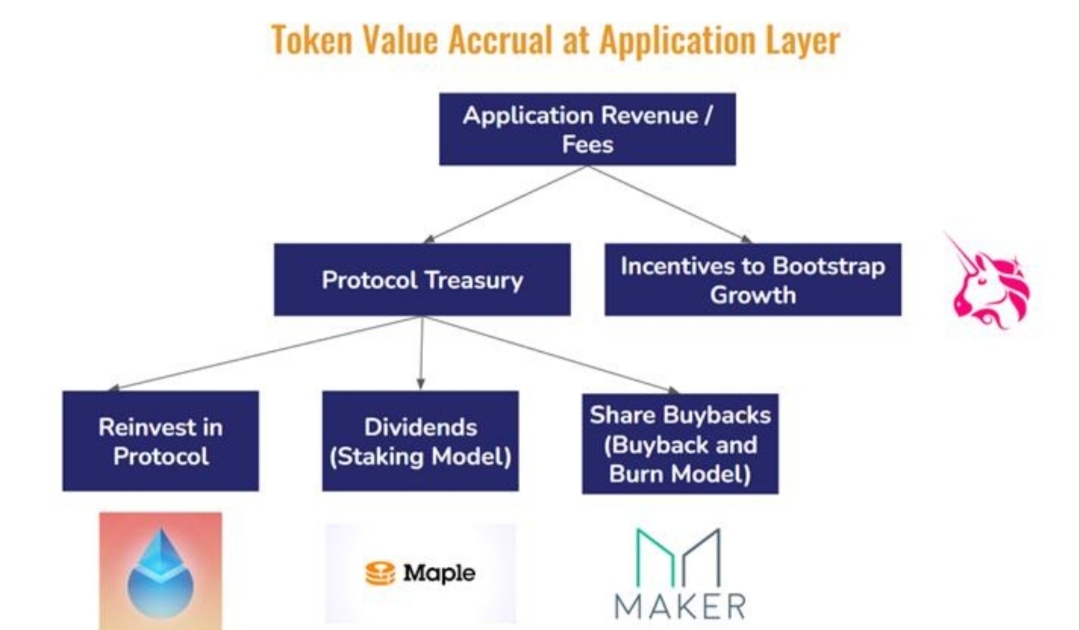
Where things get interesting is at the agent level. If agents can hold assets, execute trades, and interact with protocols autonomously, they become independent economic actors. That introduces a new layer of competition not between traders, but between strategies encoded as software. The market will start pricing agents the way it prices funds: based on performance, consistency, and risk profile. You could see capital allocation shift from protocols to top-performing agents, which effectively become micro-hedge funds running on-chain.
This also exposes a structural weakness: adversarial environments. Once agents are predictable, they’re exploitable. MEV searchers, competing agents, and even human traders will look for patterns in agent behavior. If an agent consistently reacts to certain signals, it becomes a target. That forces agent designers to think in terms of game theory, not just model accuracy. The best-performing agents won’t be the smartest they’ll be the hardest to anticipate.
From a market perspective, the key metric isn’t TVL or user count it’s execution quality. Are agents generating positive net returns after costs? Are they improving capital efficiency compared to human-driven strategies? If the answer is yes, capital will flow in regardless of broader market conditions. If not, the system stalls, no matter how strong the narrative is. This is one of the few models where performance can override sentiment.
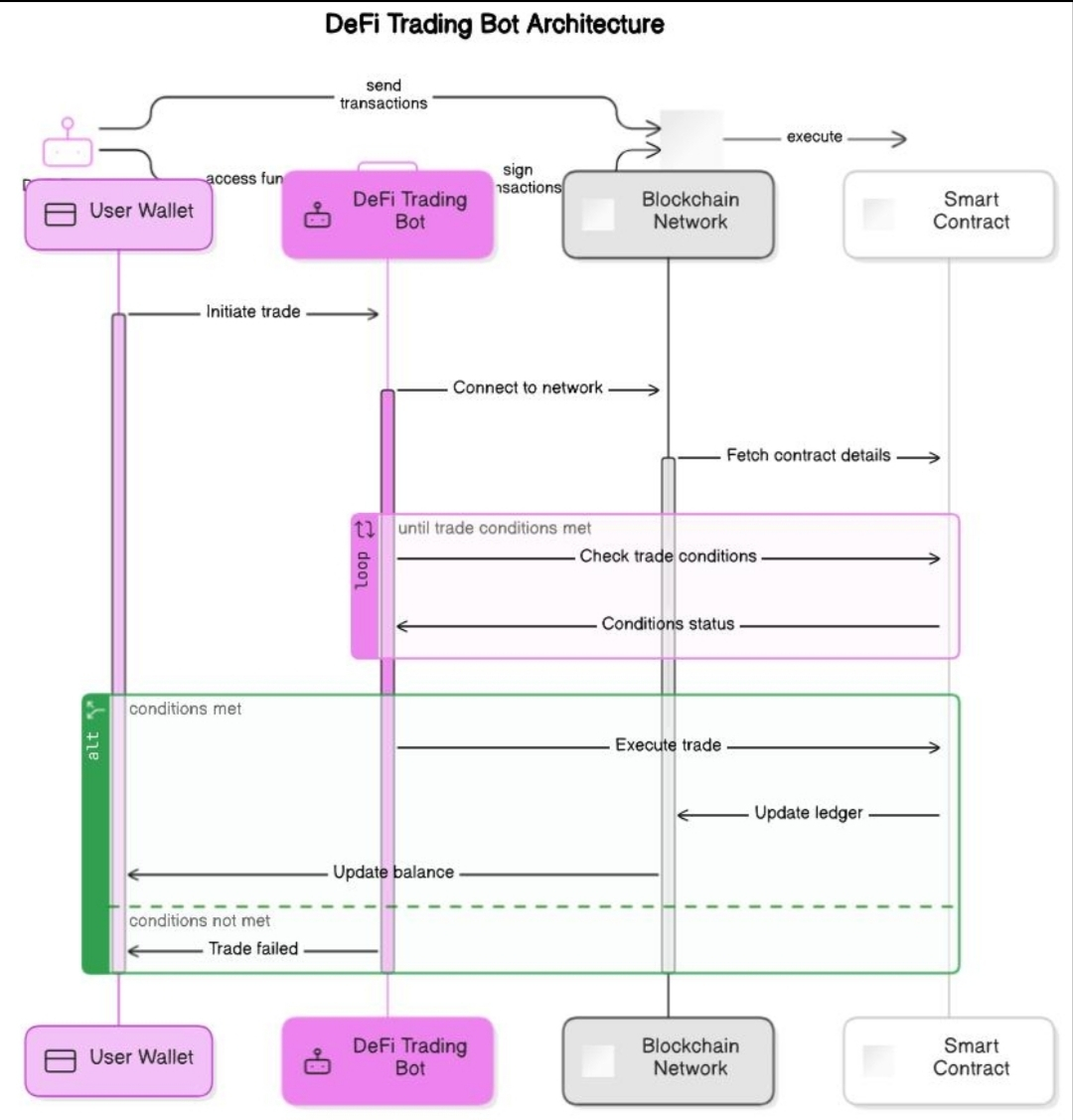
Another overlooked angle is how this affects volatility regimes. If agents dominate execution, you get tighter spreads during normal conditions but more violent dislocations during stress. Why? Because agents tend to follow similar optimization paths risk minimization, arbitrage, yield maximization. In a shock event, they unwind simultaneously. That creates synchronized liquidity withdrawal, which amplifies downside moves. It’s the same dynamic seen in quant-heavy TradFi markets, now translated on-chain.
Capital rotation will treat OpenLedger differently than typical L1s or AI tokens. It won’t pump purely on narrative cycles because its value accrues through usage, not speculation alone. Early phases might see hype-driven inflows, but sustained growth depends on measurable agent activity. Traders will watch metrics like transaction density per agent, fee-to-volume ratios, and capital efficiency improvements. If those trend up, the token becomes a structural hold rather than a rotational trade.
The long-term question is whether OpenLedger can maintain a balance between openness and control. Fully open agent ecosystems risk being flooded with low-quality or malicious actors, degrading overall performance. Too much control, and you lose the permissionless edge that attracts builders and capital. The equilibrium will likely emerge through economic filtering only agents that can sustain profitability survive. But getting to that equilibrium without collapsing under noise is the real challenge.
Right now, the market hasn’t fully priced what it means to have autonomous agents as primary participants in DeFi. Most people still think in terms of users and protocols. OpenLedger shifts the lens to systems competing within systems. If it gains traction, the edge in crypto won’t come from being early—it’ll come from understanding how these agent-driven flows interact, where they break, and how to position around them before the rest of the market catches up.
