
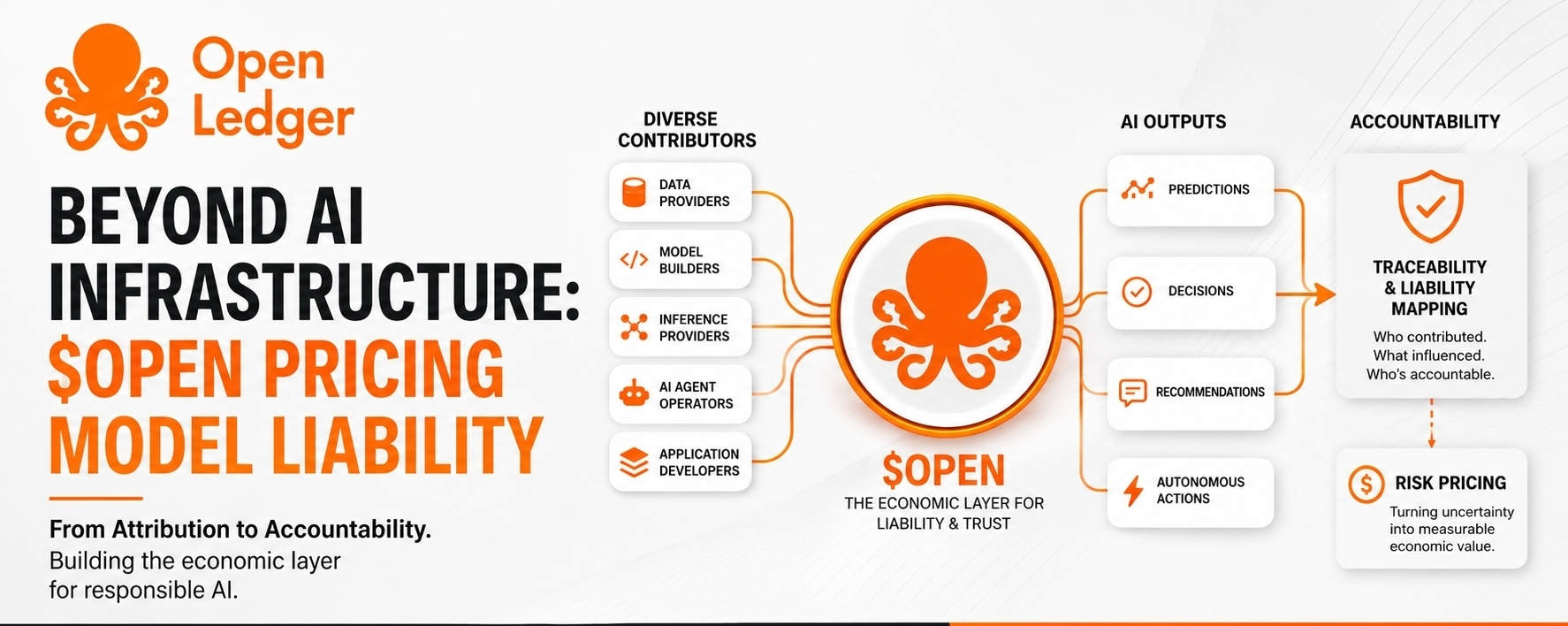
I'll be honest—I almost scrolled past @OpenLedger when it first crossed my feed. Another AI infrastructure token? The space is already crowded with projects promising to be the backbone of machine learning, and most sound identical after a while.
But something made me stop and actually dig into what $OPEN is trying to build. And the more I looked, the less it felt like typical AI infrastructure and the more it felt like... insurance? Which sounds boring, I know. But hear me out.
Here's what clicked for me: everyone's obsessed with making AI faster, smarter, more powerful. That's fine for building cool demos. But the second AI touches anything serious—loan decisions, compliance checks, identity verification—the conversation changes completely. Nobody in a boardroom cares about token speed. They care about one terrifying question: who's responsible when this goes wrong?
That question is why I think OpenLedger might actually have a lane.
Most people talk about their attribution system like it's just about rewarding data contributors fairly. Nice story, clean marketing. But I think they're underselling the real angle. In environments that actually matter—finance, healthcare, legal—attribution isn't a reward mechanism. It's a liability map.
Think about it. When an AI agent makes a flawed decision because of bad training data, who gets blamed? If five different parties contributed to that model's output, how do you even trace responsibility? Traditional software was messy but at least you knew who shipped the code. AI systems feel like accountability got thrown into a blender.
And markets hate unclear risk. Enterprises hate it even more.
I tested this theory myself last month. Small position in $OPEN around $0.18, mostly just to force myself to pay attention. Watched how they're building audit trails into their infrastructure layer. It's not sexy. It won't pump on CT hype. But the more I thought about procurement teams evaluating AI vendors, the more I realized this might be the angle that actually gets institutional adoption.
Because here's the thing: institutions aren't anti-innovation. They're anti-uncertainty they can't operationalize. If OpenLedger can make distributed AI systems feel governable—with real source lineage, explainable decisions, clear escalation paths—that's not competing with compute narratives.
That's competing in the market for reducing uncertainty around machine decisions.
Way less glamorous. Also potentially way more necessary.
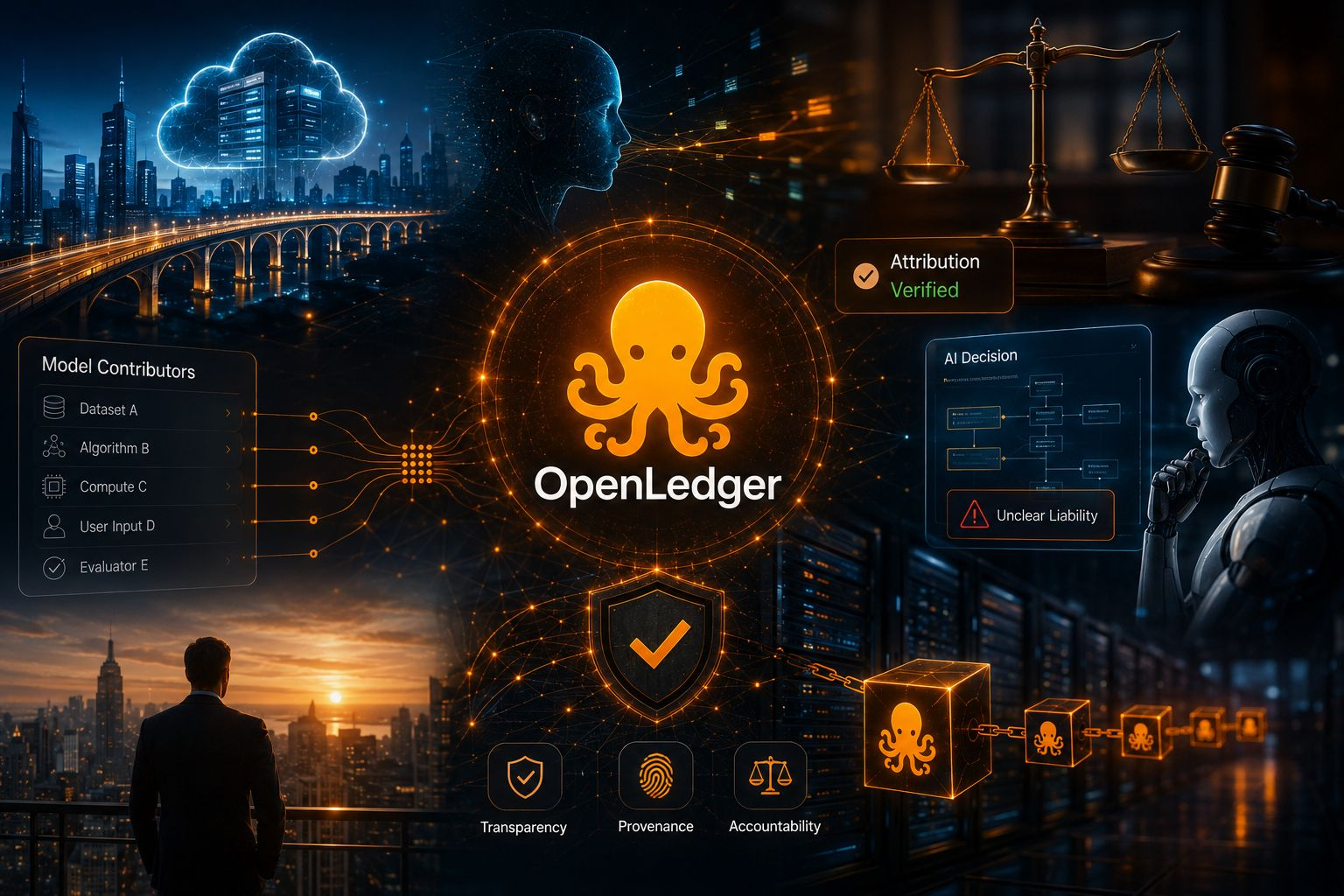
Still early, still risky, still watching. But $OPEN feels less like infrastructure theater and more like the boring plumbing that might actually matter when AI moves past demos and into real money. And I'd rather be early on boring infrastructure than late on exciting vaporware.
Position: Small long, watching governance partnerships closely