

I keep noticing something strange.
The AI market talks like intelligence is the scarce asset. Bigger models get attention. Faster models get value. But underneath that, another layer is quietly becoming more important.
Not intelligence itself. The accounting around intelligence. Who contributed the data. Which model used it. Which agent created value. Who keeps earning after the output already exists.
That shift is why I stopped looking at OpenLedger as another AI blockchain. The question that stayed with me was different.
Is OpenLedger building a blockchain or is it trying to build the accounting layer for machine intelligence itself?
Because when I study how OpenLedger works, almost every moving part points back to value tracking.
The network is built around on chain AI infrastructure where participation is visible instead of hidden. Data enters the system. Models connect to contributions. Agents operate inside the network. Incentives move between contributors, validators and AI activity.
The interesting part is that OpenLedger does not seem obsessed with making AI bigger. It feels more focused on making AI measurable.
That matters because AI still has an ownership problem.
Most contributors give value away before value even exists. Data gets absorbed. Models improve. Outputs scale. But the connection between contribution and future value usually disappears.
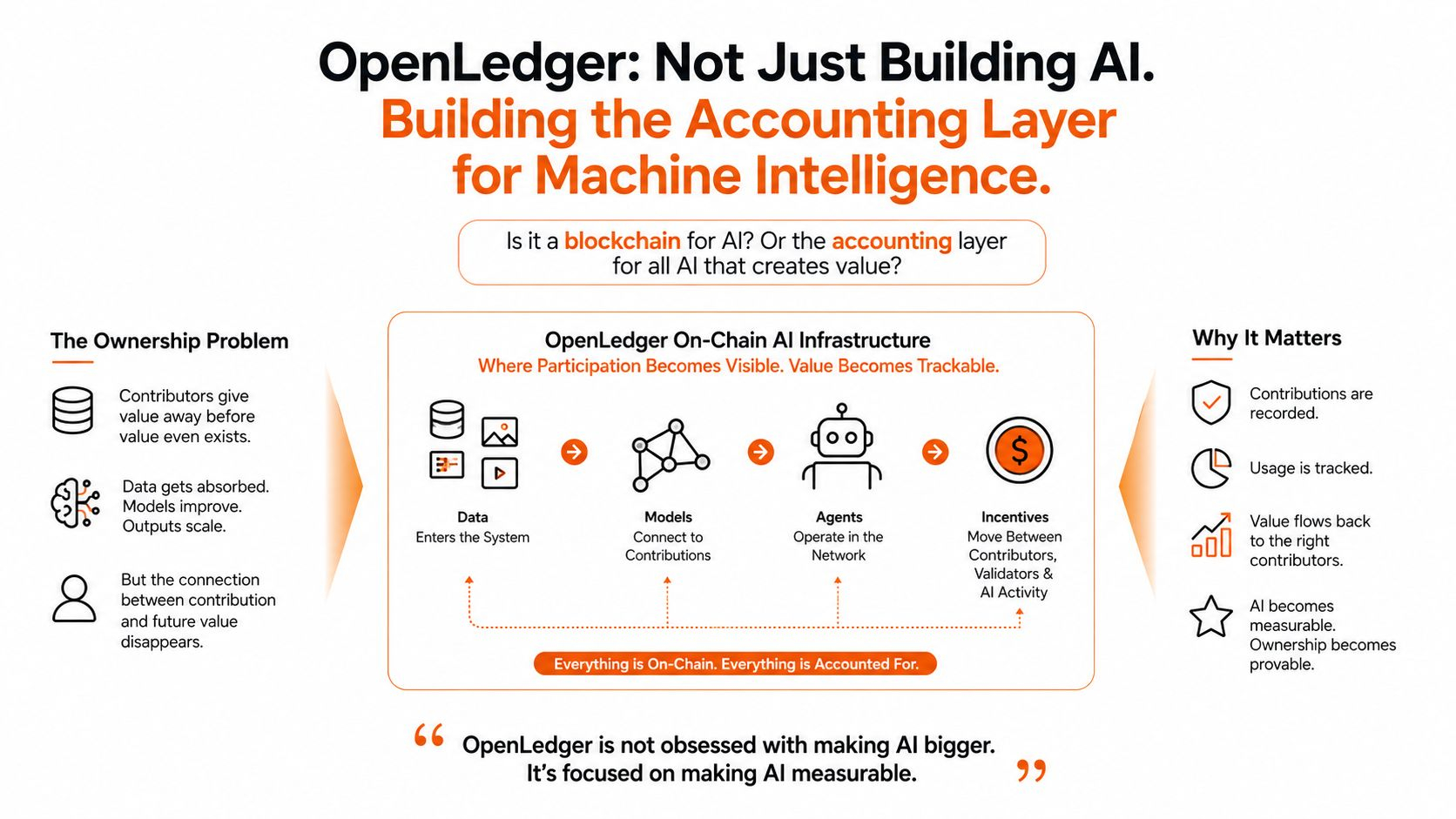
OpenLedger pushes against that through data monetization and attribution structures. Contribution is not treated like temporary input. It starts looking more like economic inventory.
I think that changes behavior. Once contributors believe future value can stay linked to their inputs, participation becomes different. People stop acting like suppliers and start acting like owners.
But this is also where my doubts start. Crypto incentive systems often assume rewards automatically protect quality. I do not think AI works that cleanly.
OpenLedger can track participation on chain. It can reward contributors. But can data quality remain strong when incentives become the target?
People optimize fast. If rewards dominate behavior, quantity may start beating usefulness. That tension feels real.
I also keep coming back to OpenLedger’s approach toward AI model ownership and liquidity.
The project seems to treat models less like software and more like economic entities inside the network. Models connect with contributors. Value flows around them. Ownership stays visible.
That feels structurally important because most AI narratives today still stop at creation.
OpenLedger keeps moving beyond creation.
Who owns model value later? Who coordinates future activity around it?
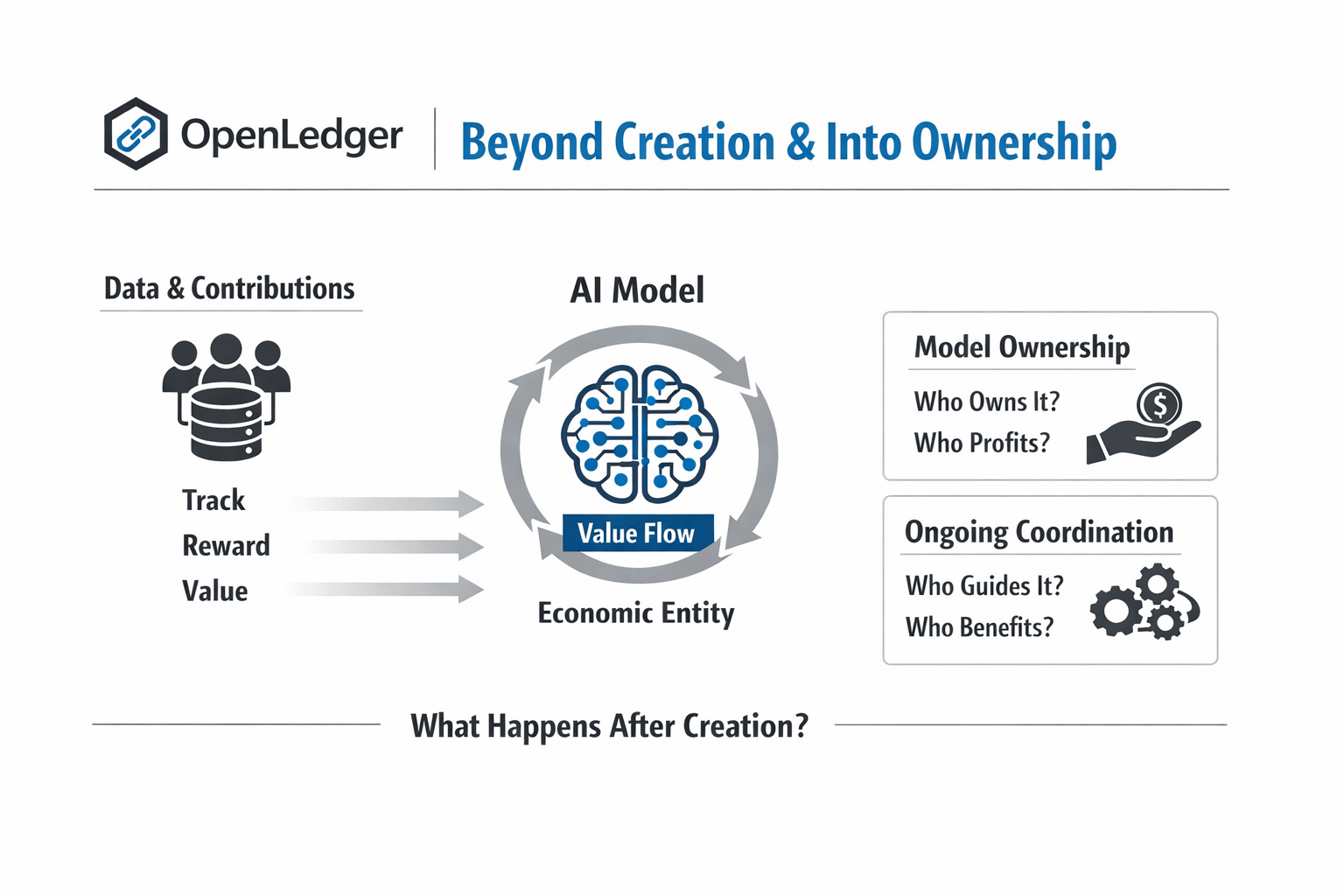
The blockchain architecture feels built around those questions.
Its compatibility with the Ethereum ecosystem also matters more than people think. Wallet integration and smart contract support mean AI participation can plug directly into existing crypto behavior instead of creating isolated systems.
Agents, contributors and ownership structures stay connected.
Still, one thought keeps pulling me back.
Do people really want ownership? Or do they just want rewards?
Because @OpenLedger depends heavily on contributor incentives. If participants arrive only to extract value, long-term ownership systems become harder to sustain.
The rise of agent deployment inside the network makes this even bigger.
Once agents participate economically, accounting stops being human only. The system starts tracking machine activity too.
That is why the title keeps staying with me.
Maybe OpenLedger is not building a blockchain around AI.
Maybe it is trying to build a ledger around intelligence itself.
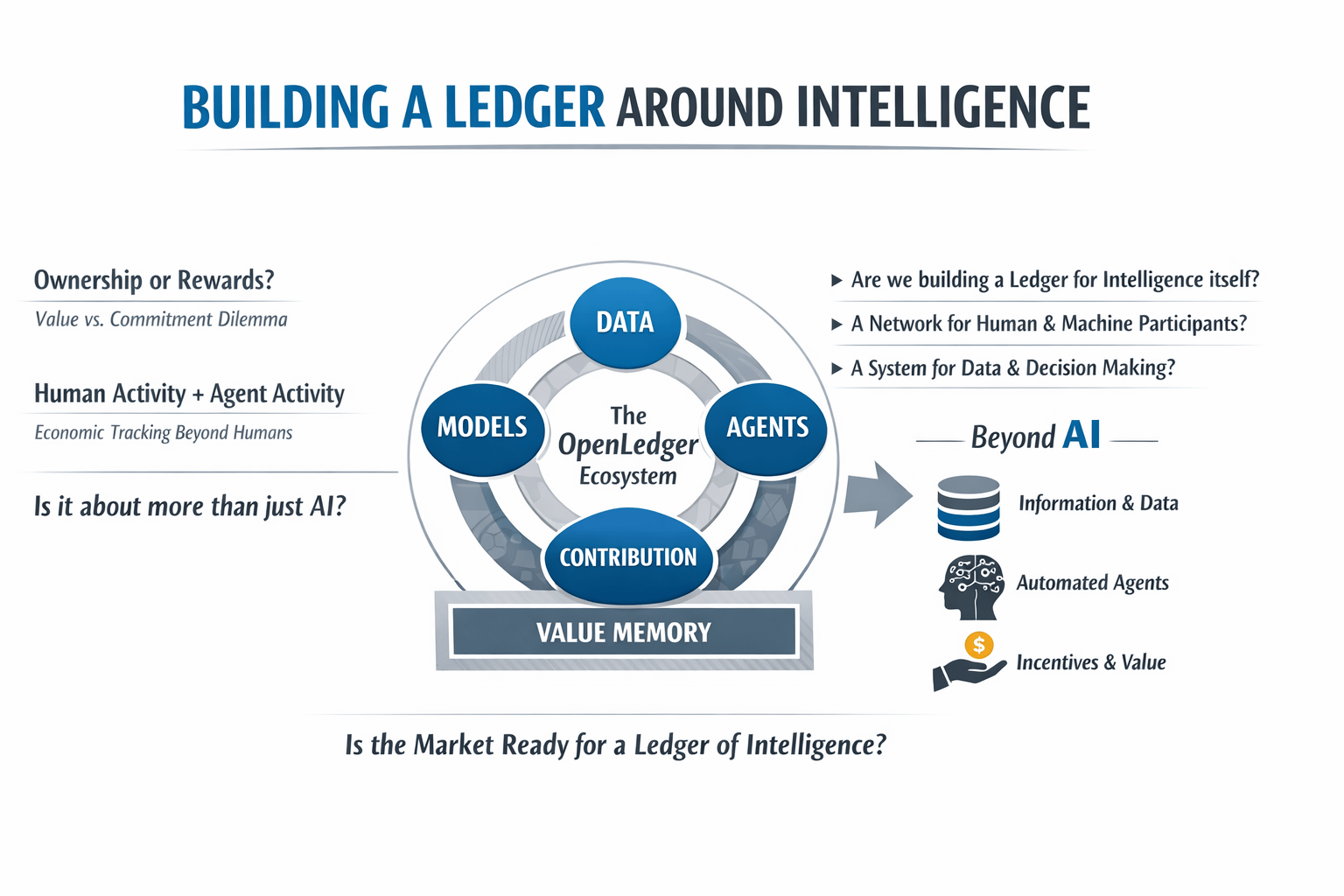
I just do not know if the market is already thinking that far ahead or if OpenLedger reached the question before everyone else noticed it.
