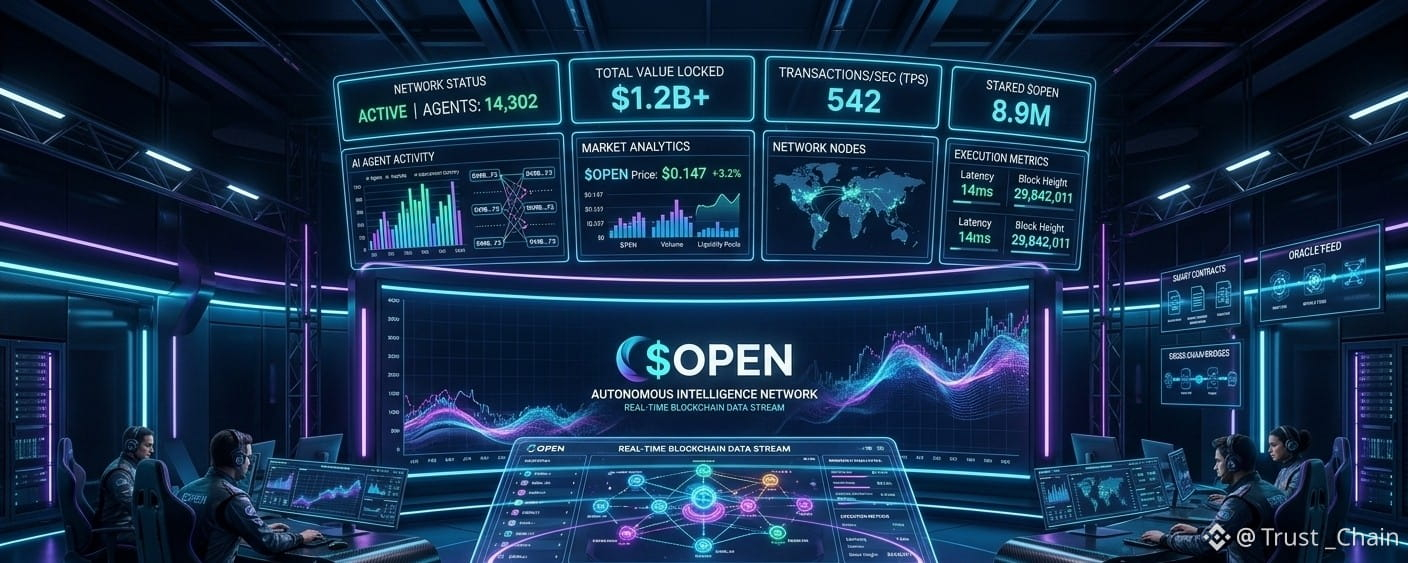
@OpenLedger ($OPEN) continues to evolve into one of the most compelling narratives in the AI + blockchain infrastructure space, and the latest developments only reinforce why the project is gaining attention from builders and market participants alike.
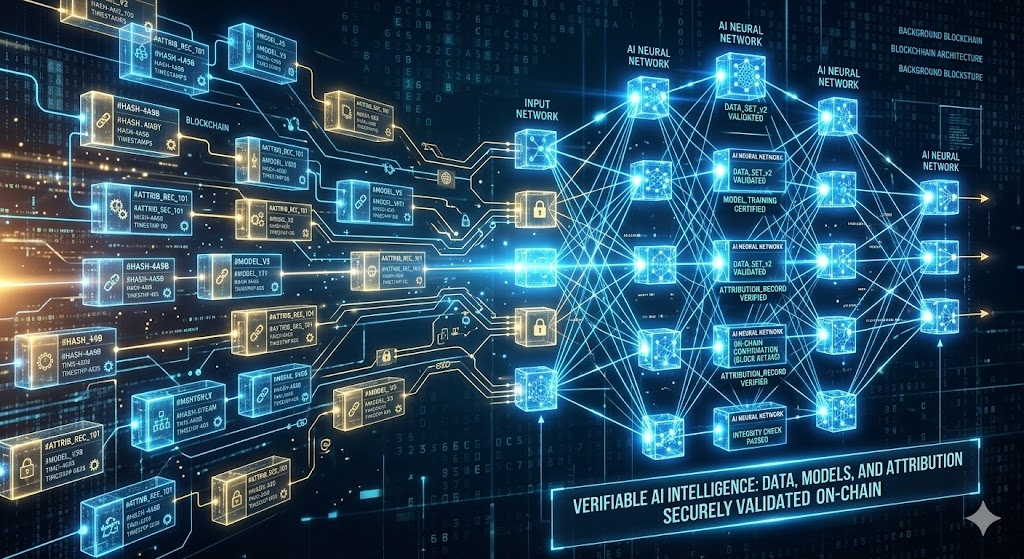
What stands out to me is how OpenLedger is shaping itself around a fundamentally new paradigm: **verifiable, attributable, and executable AI systems operating on-chain by default**. Instead of treating AI as a black-box service, the ecosystem is actively turning intelligence into an auditable economic layer where every dataset, model output, and agent action can be traced, verified, and rewarded.
The most recent updates highlight how rapidly this vision is moving from concept to execution.
OpenLedger has doubled down on its **AI-native blockchain architecture**, expanding its “Payable AI” framework where contributors are automatically compensated when their data is used in model training or inference pipelines. This model is gaining traction as regulatory pressure increases globally around AI transparency and intellectual property rights, especially in the context of training data ownership and attribution standards.
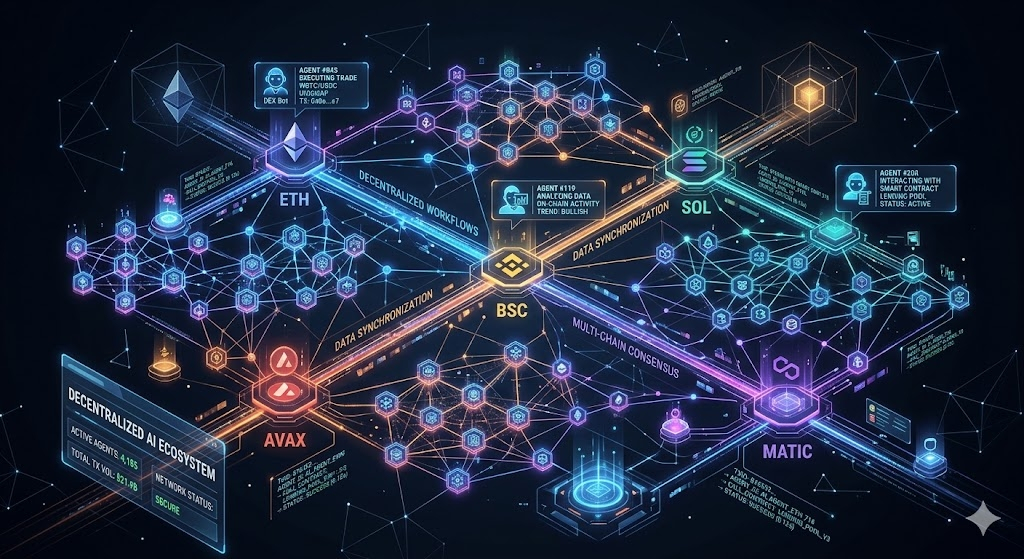
One of the most important signals recently is the continued expansion of its 2026 roadmap, which focuses on building a **full-stack accountable AI infrastructure**. The goal is not just decentralized computation, but a full economic system where AI agents can identify themselves, transact, and settle value directly on-chain with built-in auditability and governance layers.
The launch of new collaborative standards around **rights-cleared AI training and automatic creator payments** further strengthens this direction. By enabling cryptographic proof of IP usage and automated royalty distribution, OpenLedger is directly addressing one of the biggest unresolved challenges in modern AI ecosystems: how to fairly compensate the data and content that fuels machine intelligence.
From a product execution standpoint, the introduction of **OctoClaw**, OpenLedger’s intelligent agent system, is a major milestone. OctoClaw is designed to unify research, automation, execution, and on-chain interaction into a single adaptive system capable of handling real-time workflows across decentralized environments.
This is where the Formula 1 analogy becomes very accurate.
OpenLedger is effectively building AI systems like race teams engineer performance strategies:
* continuous telemetry from on-chain and off-chain data streams
* real-time recalibration of strategy under volatile market conditions
* autonomous execution of decisions across multiple environments
* feedback loops that improve precision with every cycle
That structure is what separates OpenLedger from typical AI projects that remain stuck at the level of dashboards or passive copilots.
Instead, $OPEN is positioning itself in the direction of **agentic execution infrastructure**, where AI does not just analyze markets or generate insights, but actively participates in them—bridging intelligence, execution, and accountability in a unified system.
What I find most important is the timing.
As AI adoption accelerates across finance, trading, and digital economies, the demand for systems that can prove what they did—and why—will become critical. OpenLedger’s emphasis on attribution-first design, decentralized data ownership, and transparent execution directly aligns with where the industry is heading.
In that sense, $OPEN is not just another AI narrative asset. It represents an attempt to build the **coordination layer for autonomous economic agents**, where intelligence itself becomes a measurable and monetizable on-chain resource.
Of course, the ecosystem is still early, and real adoption will determine long-term strength. But the direction is clear: OpenLedger is not optimizing for short-term hype—it is building infrastructure for a machine-native economy where AI agents operate with accountability, transparency, and economic agency.
From my perspective, that makes it one of the more structurally interesting projects to watch in the current cycle.