
Lately I’ve been thinking about AI in a way I honestly didn’t before.
Not from the usual angle people talk about online every single day.
Not the constant “this company is winning” conversation. Not the race to build the smartest model first.
After a point all of that starts sounding the same honestly.
What keeps sitting in my mind is something much quieter than that.
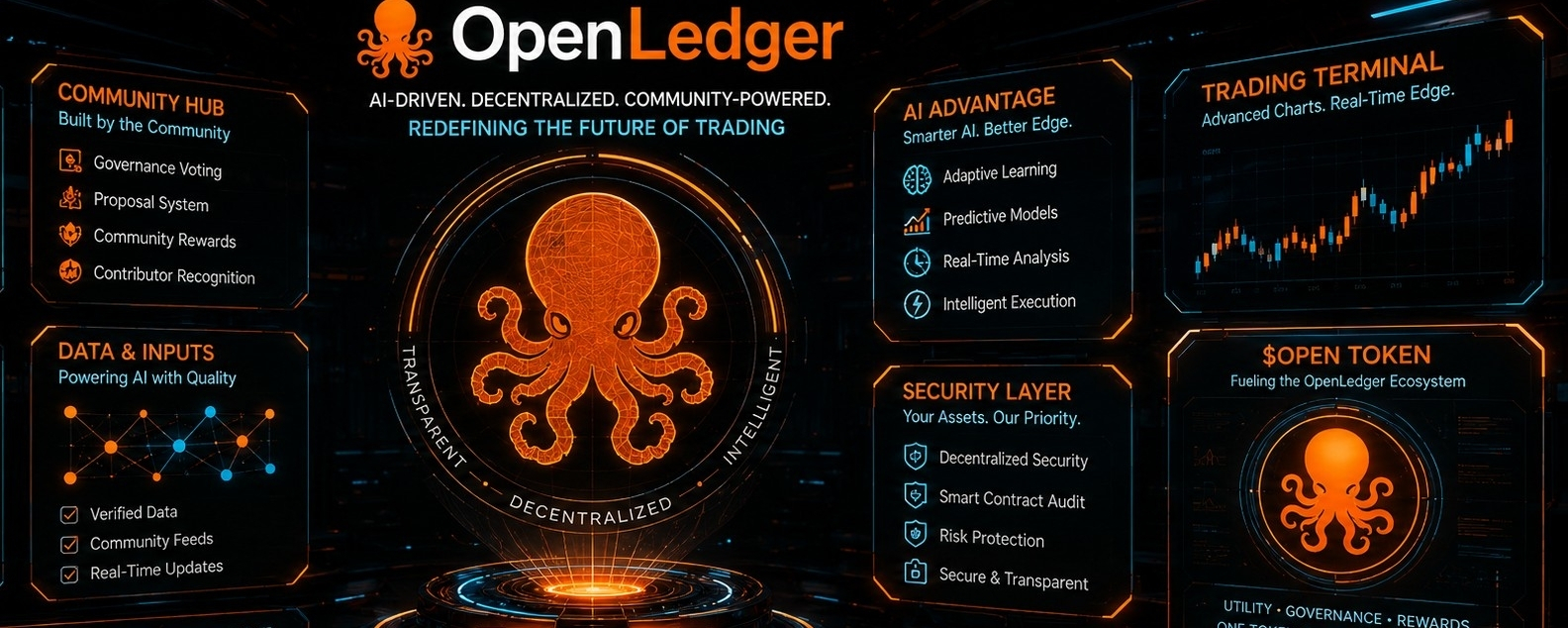
The people behind these systems.@OpenLedger
Because when you really think about it, AI is not built by one genius person working alone somewhere.
It grows slowly through thousands of small contributions people barely notice. Someone spends hours cleaning terrible datasets nobody else wants to touch.
Someone keeps testing responses over and over just to catch small mistakes most people would ignore.
Someone leaves random feedback without realizing it might actually improve the system later.
And somehow once the final product becomes successful, most of those people disappear from the story completely.
I keep thinking about that part a lot lately.
Maybe because AI is becoming such a huge part of everyday life now.
It’s everywhere suddenly. Search engines, apps, content, customer support, writing tools, coding tools.
People interact with AI constantly now without even thinking twice about it anymore.
But even while the technology keeps moving forward so fast, the structure around it still feels old sometimes.
Very centralized. Very controlled by a small number of companies at the top.
And honestly I understand why that happened. Building strong AI systems takes insane amounts of money, infrastructure, research, and computing power.
Big companies pushed the industry forward faster than anyone else could’ve. That part is true.
But at the same time, millions of normal people contribute value too.

Through conversations.
Through corrections.
Through open-source work.
Through testing.
Through feedback.
Through data.
Through community research.
All of that matters more than people admit.
These systems literally improve through massive amounts of human interaction, yet
most people still feel completely disconnected from what they help build. That feels strange to me honestly.
I don’t think people ignore that forever either.
I think eventually transparency becomes a much bigger conversation around AI.
Not in some unrealistic way where every model suddenly becomes fully open-source overnight, because that probably won’t happen.
But enough transparency for people to feel included instead of invisible.
Enough for people to know their contributions actually mattered.
That’s probably why decentralized AI projects keep catching my attention lately.
Not because I think blockchain magically fixes every problem on earth.
Online communities exaggerate things way too much sometimes and I think people know that deep down.
But the mindset behind decentralization is interesting to me.
The idea that contribution should actually mean something.
That people helping improve systems shouldn’t quietly disappear into the background forever while all the recognition and value move upward to only a few places.
Maybe that sounds idealistic a little, I don’t know. But I genuinely think it becomes more important with time.
Because the future of AI probably won’t come from one company alone anyway.
It’ll come from huge networks of people. Developers, researchers, creators, open source communities, independent builders,
data contributors, and honestly even random users giving feedback every day without realizing they’re shaping these systems too.
AI already grows through collective human input far more than most people admit publicly.
And eventually people are going to start asking harder questions because of that.
Who contributed?
Who benefited?
Who gets remembered?
Who gets ignored?
That’s the deeper reason projects like @OpenLedger feel interesting to me personally.
Not because “AI + blockchain” sounds trendy for five minutes online. Trends come and go every month anyway.
The more important idea is building systems where contribution can actually be tracked instead of absorbed silently forever.
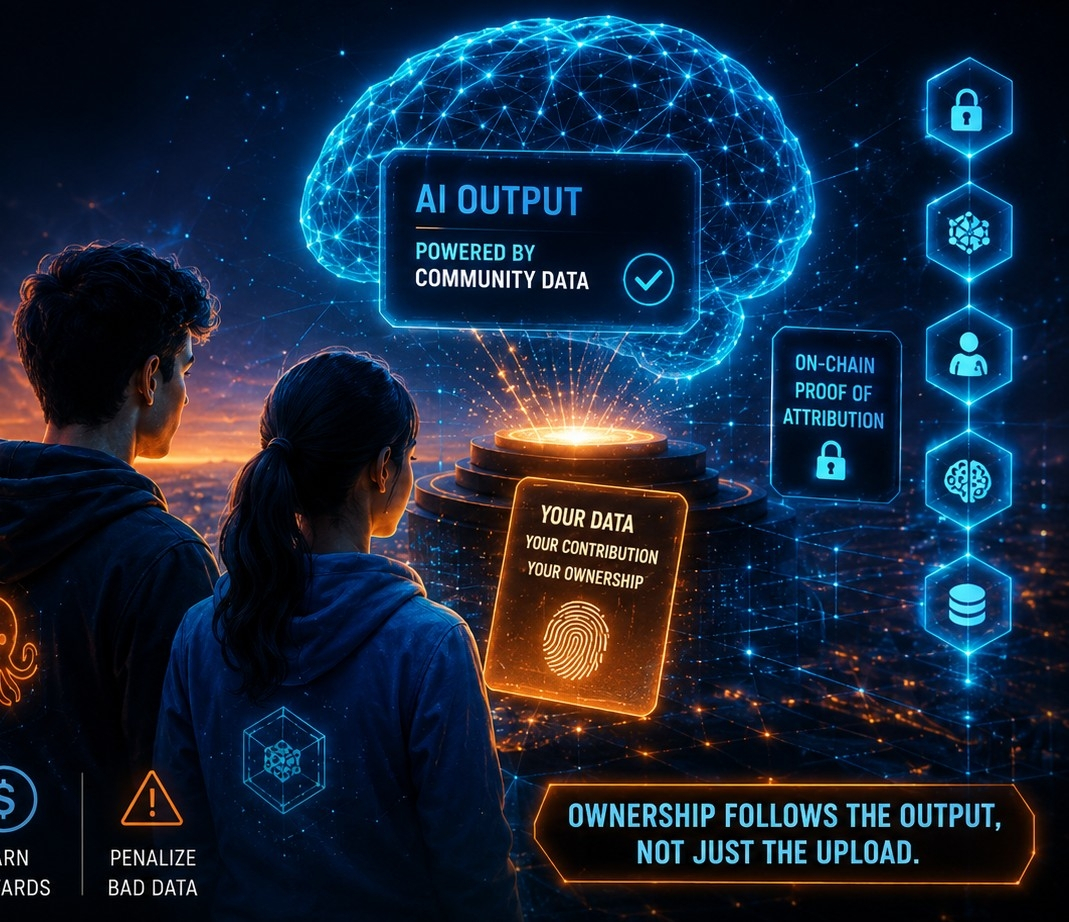
A system that remembers the people helping build it.
And honestly I think trust becomes one of the biggest parts of AI’s future because intelligence alone is not enough anymore.
People also care about fairness now.
People care about transparency.
People want recognition.
People want to feel like they matter inside the systems they help shape.
And maybe companies underesgtimate that part today, but I really don’t think they’ll be able to ignore it forever.