
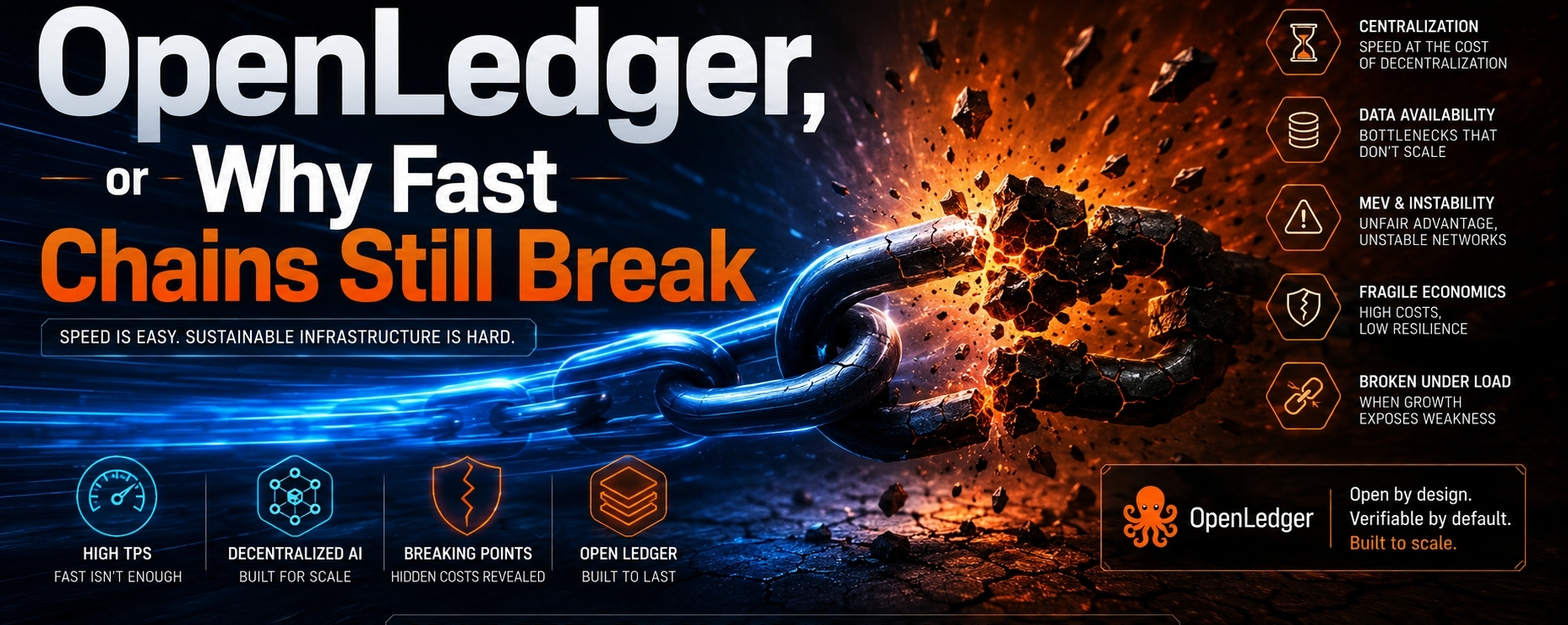
I stopped believing speed meant safety after another 2 a.m. permissions call.
The chain was fine. Finality was fine. Every dashboard in the room was glowing green like that was supposed to calm anyone down. But security was arguing with operations over a wallet approval path that should never have existed in the first place, and legal was already asking for audit timelines before the incident had even been fully understood.
That was the moment I realized nobody actually loses systems because blocks are slow.
People lose systems because authority lives too long.
Because keys stay exposed longer than expected. Because permissions quietly become permanent. Because everybody keeps optimizing execution while pretending human behavior is somehow outside the architecture itself.
I think the industry still hides from that truth.
TPS became the easiest thing to market, so naturally everyone started worshipping it. Faster blocks. Bigger numbers. Infinite throughput promises dressed up as inevitability. But I have sat in enough review meetings to know infrastructure rarely breaks where the brochures say it will.
The real failures happen around approvals.
Around delegation.
Around access nobody remembered granting.
That is why OpenLedger caught my attention in the first place.
Not because it calls itself an AI blockchain unlocking liquidity for data, models, and agents. Everybody says something like that now. Every protocol wants to sound like the operating system for the future. Most of them still rely on the same fragile permission assumptions underneath.
What feels different about OpenLedger is that it seems designed around containment instead of blind acceleration.
Yes, it is an SVM-based high-performance L1 built for parallel execution and scale. But honestly, I care less about the throughput than I do about the guardrails wrapped around it.
OpenLedger Sessions feels important for that reason.
Not as a product feature. More like an admission that permanent authority was always a bad design decision pretending to be convenience.
Time-bound delegation.
Scope-bound delegation.
Permissions that expire instead of lingering indefinitely inside wallets and agents.
That matters more than another benchmark ever will.
For years this industry normalized endless wallet popups and called the experience security. I think it mostly trained people to stop reading what they were approving. Sign again. Approve again. Confirm again. Eventually signatures stopped representing intent and started representing fatigue.
“Scoped delegation + fewer signatures is the next wave of on-chain UX.”
I believe that completely now.
Not because it sounds elegant, but because autonomous systems are coming whether the industry is ready or not. AI agents handling capital, execution, coordination, and workflows cannot operate safely with unrestricted wallet authority sitting open forever.
Nobody serious should want that.
OpenLedger seems to understand the future risk is not whether agents can move fast enough. The risk is whether they can be limited once they do.
That is why the architecture feels more mature than most chains chasing performance headlines. Modular execution sits above a more conservative settlement layer, separating high-speed interaction from final security assumptions. Fast where it makes sense. Restrained where it matters.
I like that balance.
It feels less like a casino trying to impress venture capital and more like infrastructure expecting to survive audits.
And audits change how people think.
After enough review meetings, enough emergency calls, enough uncomfortable discussions about wallet exposure, the questions always become human questions instead of technical ones.
Who had access?
Why did they still have it?
Why was revocation harder than approval?
Why did convenience quietly become systemic risk?
Even the EVM compatibility story feels practical instead of ideological. I do not see it as some grand philosophical commitment. I see it as tooling friction reduction. Lower migration pain. Easier adoption for developers already exhausted by fragmented stacks and endless rewrites.
That practicality is probably what makes the whole thing feel believable to me.
The OPEN token only really matters in that context. Less as speculation bait and more as security fuel tied directly to staking, validation, and responsibility for the network itself. I think that framing is healthier than pretending every token needs to become a religion.
Maybe that is the real shift happening underneath this entire industry.
I think blockchains are slowly growing out of their adolescent phase. Less obsession with proving they are fast. More concern about whether they can survive real operational pressure once institutions, agents, and actual economic systems start depending on them.
Because reality is never clean.
Someone always signs the wrong transaction eventually.
Someone always leaves permissions open longer than intended.
Some agent eventually exceeds the boundaries it was supposed to respect.
And when that moment arrives, nobody asks how fast the blocks were.
They ask whether the system understood human behavior well enough to contain the damage before it spread.
