
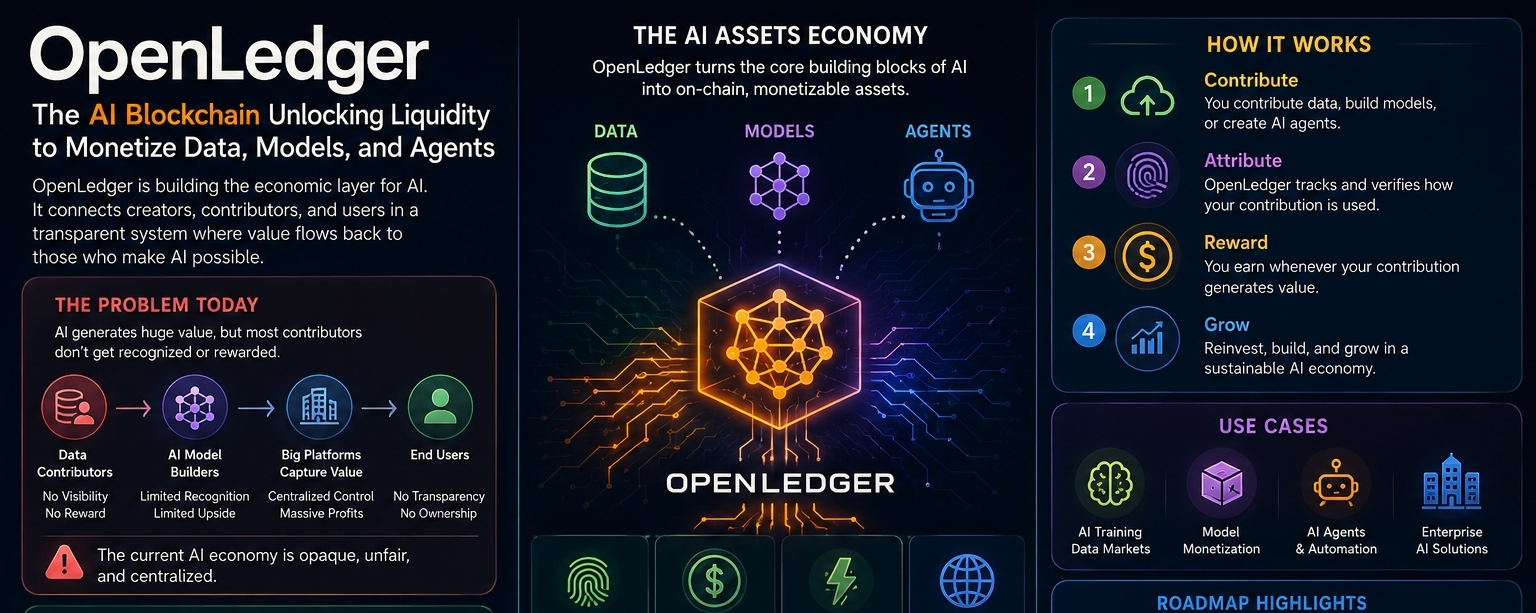
I’ve been watching the AI + crypto space long enough to notice a pattern that keeps repeating itself. Every cycle, a new category shows up and suddenly everything gets rebranded into it. Right now that category is AI. And like always, most projects don’t really feel like they were born from a real gap in the system. They feel more like they were adjusted to fit the moment. That’s why I usually approach these things with a bit of distance instead of excitement.
OpenLedger is one of those projects I spent a little more time looking into, not because it feels revolutionary at first glance, but because the problem it is pointing at is actually real. The idea is simple on the surface: AI systems today are built on data, models, and human contribution, but the value created from that rarely flows back to the people or sources that made it possible. That imbalance has always existed in tech, but AI makes it harder to ignore because the scale is massive and constantly growing.
I’ve noticed something over the years in crypto. The ideas that survive long enough to matter are usually not the ones that start with hype, but the ones that quietly align with a real shift already happening outside of crypto. And AI is definitely one of those shifts. It’s already inside workflows, businesses, and even decision-making systems. So when a project like OpenLedger talks about attribution and ownership inside AI systems, it doesn’t feel like a completely abstract narrative. It feels like it’s reacting to something that is already happening in the background.
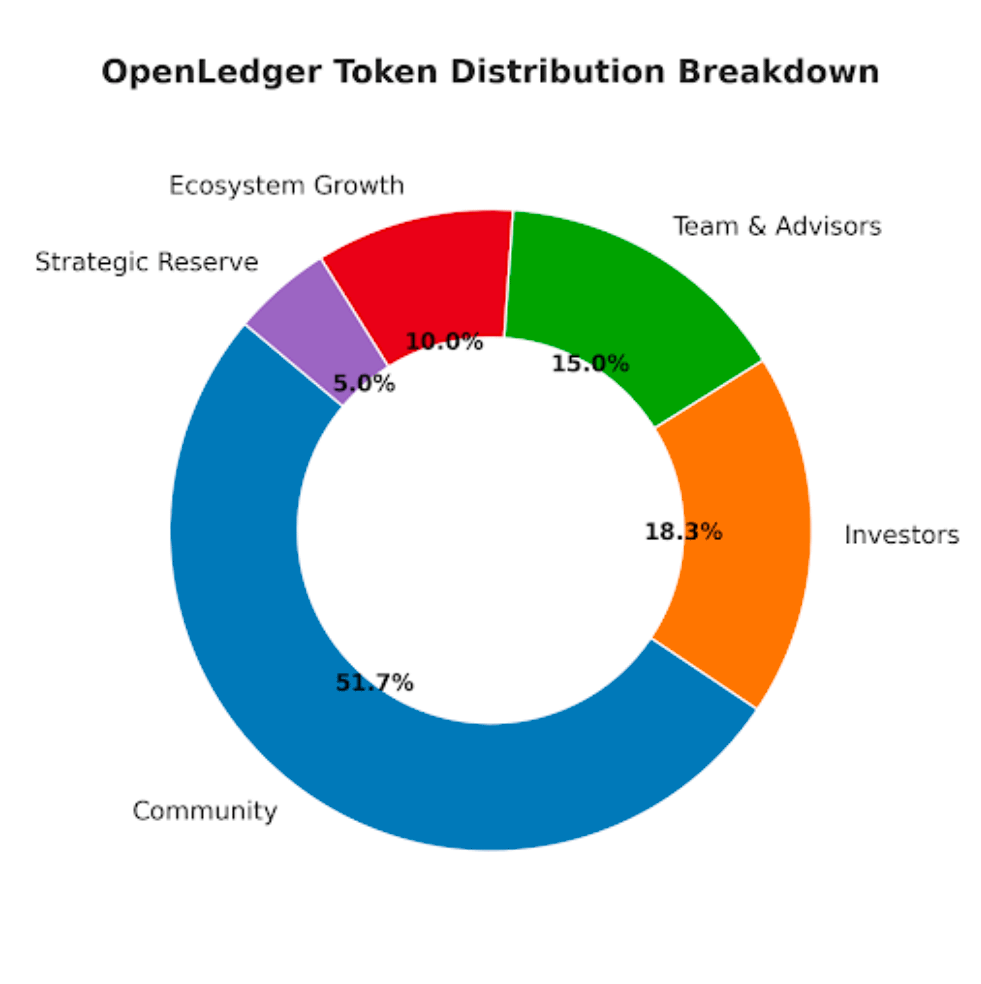
The core idea they seem to be pushing revolves around attribution, which in simple terms is about identifying where value comes from inside an AI system. If a model produces an output, the question becomes: what data influenced it, which models contributed to it, and who should be recognized or rewarded for that chain of contribution. In today’s AI systems, that chain is mostly invisible. You see the result, but not the origin of that result in any meaningful economic sense.
I’ve seen similar concepts before in earlier crypto cycles where people tried to build decentralized data markets or AI networks that reward contributors directly. At the time, it always felt slightly ahead of reality. The infrastructure wasn’t ready, and more importantly, there wasn’t enough real demand from users who actually needed those systems. Most of it stayed in the experimental stage or became speculative ecosystems without deep usage.
What feels different now is not necessarily the idea itself, but the environment around it. AI is no longer experimental. It is already embedded in everyday tools. People are using it for writing, coding, analysis, support systems, automation, and even creative work. Businesses are integrating it into real workflows. That shift matters because it turns abstract discussions about ownership into practical questions about economics and control.
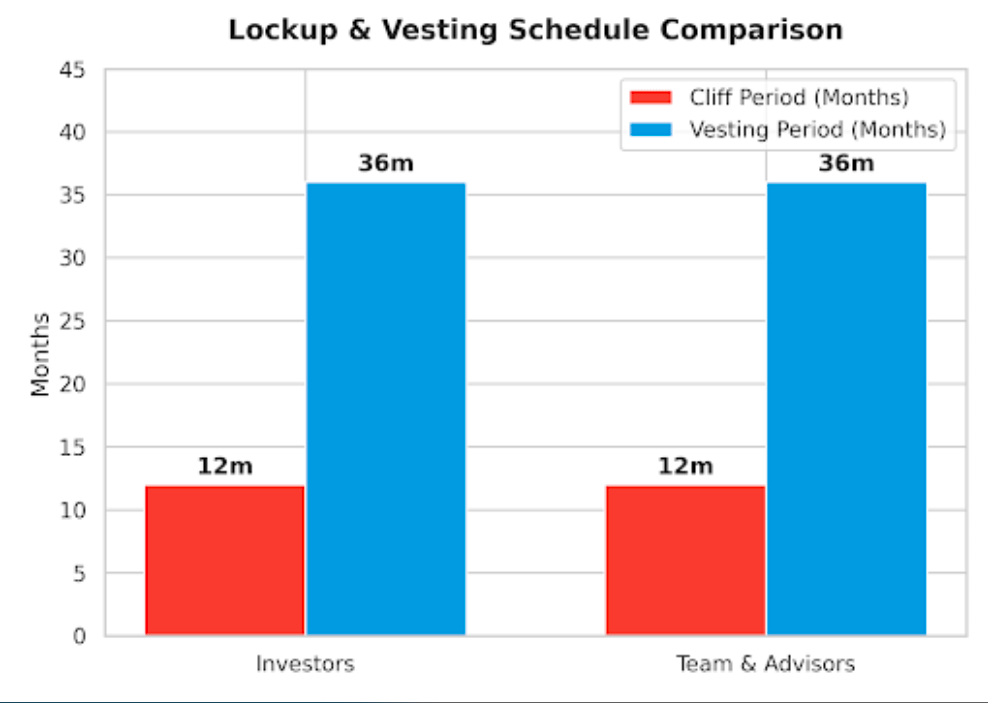
OpenLedger is trying to position itself in that space by making data, models, and AI agents into something that can be tracked, attributed, and potentially monetized. The vision is that contributors don’t just feed into a system and disappear, but instead remain part of the value flow over time. On paper, that sounds fair. In practice, it becomes much more complicated the moment you deal with real AI systems.
One thing I keep coming back to is how messy attribution actually is. AI models don’t work in clean, traceable lines where you can easily say “this output came from this exact piece of data.” They learn from patterns, overlapping datasets, repeated signals, and indirect influence. So even if you build a system that tries to track contribution, the accuracy of that tracking becomes a difficult problem. I don’t think this invalidates the idea, but it does make it much harder than it looks from the outside.
Another thing I noticed is that OpenLedger seems less focused on competing with large general-purpose AI models and more focused on specialized models and smaller systems. That actually feels more aligned with where the industry is heading. In reality, most businesses don’t need massive general intelligence. They need reliable, efficient tools that solve specific problems. That shift toward specialization is already happening in the AI world outside of crypto, so it makes sense that a project in this space would lean into it rather than fight against it.
I’ve also seen enough cycles in crypto to know that early attention doesn’t mean much on its own. It’s very easy for any project in a strong narrative sector like AI to attract users, developers, and liquidity in the beginning. What matters more is what happens after the attention stabilizes. Do developers still build when incentives are reduced? Do users stay because the system is useful, or because they are hoping for upside? Does real usage exist without constant promotional energy pushing it forward?
That’s usually where most projects start to separate from each other. Some ecosystems slowly turn into real infrastructure because people find genuine utility in them. Others fade once the external motivation disappears. I don’t think you can tell that difference early just by reading documentation or looking at token design. You only see it when real activity starts to happen over time.
There’s also a broader question here about whether blockchain is actually necessary for solving this problem. Attribution and monetization in AI is a real issue, but whether it needs a tokenized system or a decentralized ledger is still not fully proven. Sometimes blockchain adds clarity and coordination, and sometimes it adds complexity that developers eventually avoid. I think OpenLedger is trying to sit in that middle zone where blockchain becomes an accounting layer rather than the core product itself.
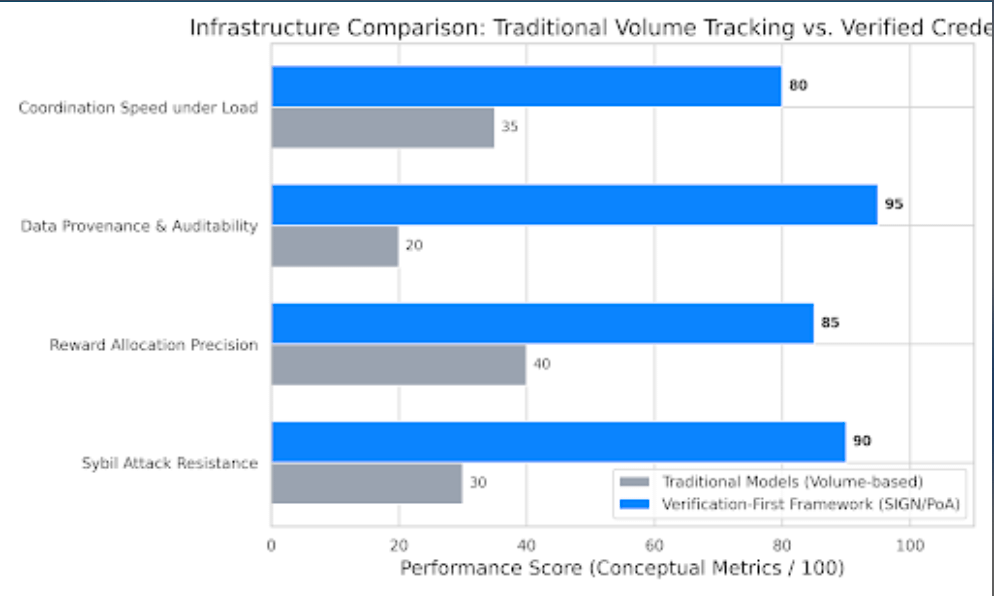
What makes the whole thing interesting to me is not that it promises a new AI world, but that it is pointing at a real tension that will likely become more important over time. As AI systems become more deeply integrated into society, questions around ownership, transparency, and value distribution will not go away. If anything, they will become more intense.
So my current view is not extreme in either direction. I don’t see enough yet to call it a major breakthrough, but I also don’t see it as something purely narrative-driven without substance. It feels like an early attempt at solving a real structural problem in AI economics, but still far from proving whether it can work at scale in a meaningful way.
For now, I’m just observing it the same way I observe most early infrastructure ideas in crypto. Not trying to label it too early, not assuming success or failure from the concept alone, and mainly waiting to see whether actual developers and users start building around it in a way that survives beyond the early attention phase.