


The AI industry is evolving extremely fast, but most conversations still focus almost entirely on intelligence itself:
better models,
better reasoning,
better outputs.
I think the bigger long-term issue may actually be economic infrastructure.
Because once AI systems begin operating autonomously across decentralized environments, intelligence alone stops being enough.
The ecosystem also needs:
Attribution
Coordination
Accountability
Execution transparency
Contributor economics
That seems to be the layer OpenLedger is trying to build.
AI Systems Currently Operate Through Invisible Value Extraction
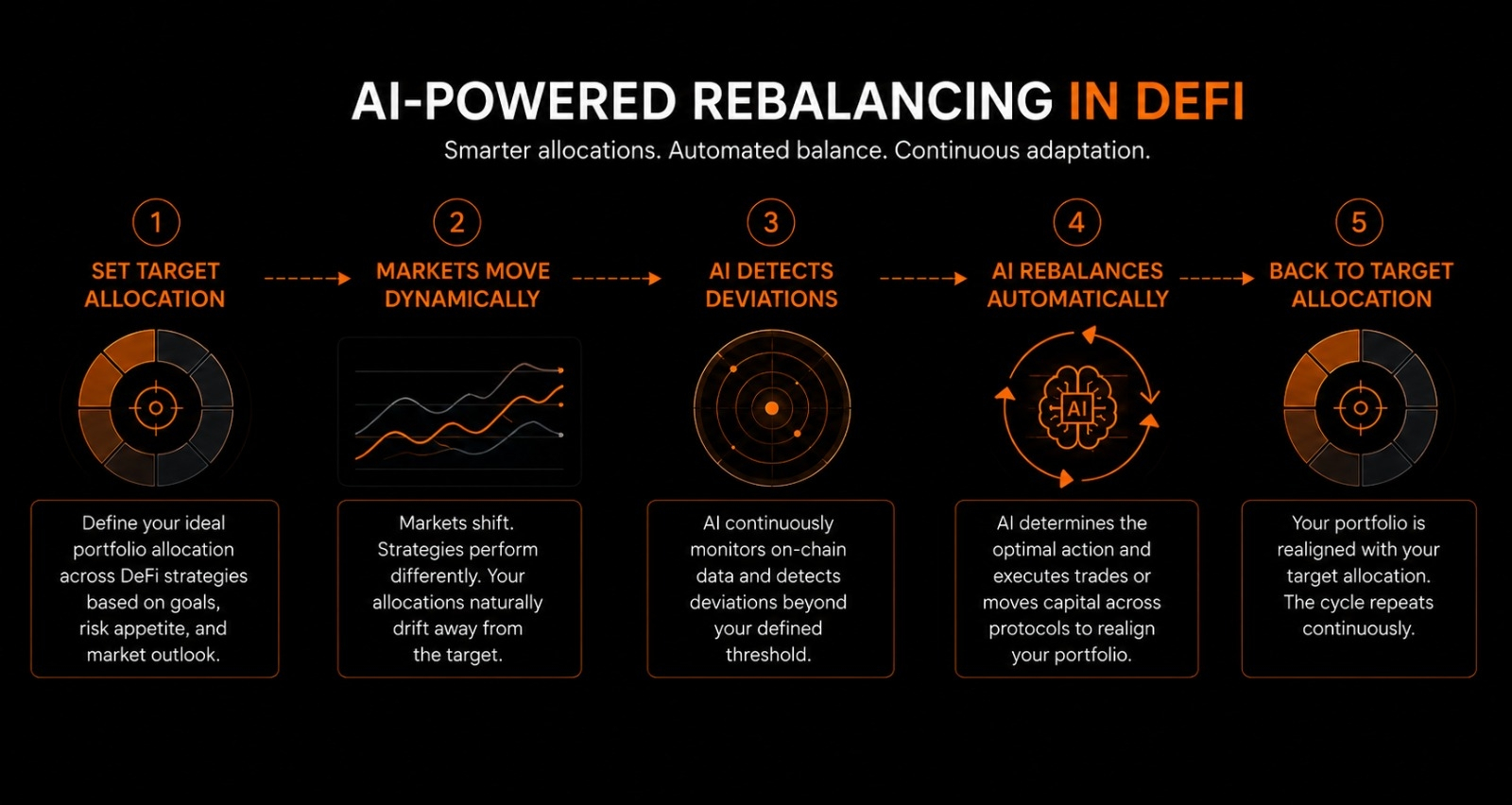
Modern AI systems generate enormous value from datasets and contributors, but very little of that value flows back to the people who helped create the intelligence.
Usually the process looks like this:
Communities generate data
Centralized systems absorb it
Models get trained
Platforms monetize outputs
Contributors disappear from the economic loop
That structure scales efficiently, but it creates long-term problems around ownership and attribution.
This is where OpenLedger’s Datanets framework becomes interesting.
Instead of treating datasets as static resources, OpenLedger attempts to create continuously traceable contribution systems where datasets, contributors, and downstream inference remain economically connected.
That fundamentally changes the relationship between AI infrastructure and the people powering it.
Proof Of Attribution Could Become Essential Later
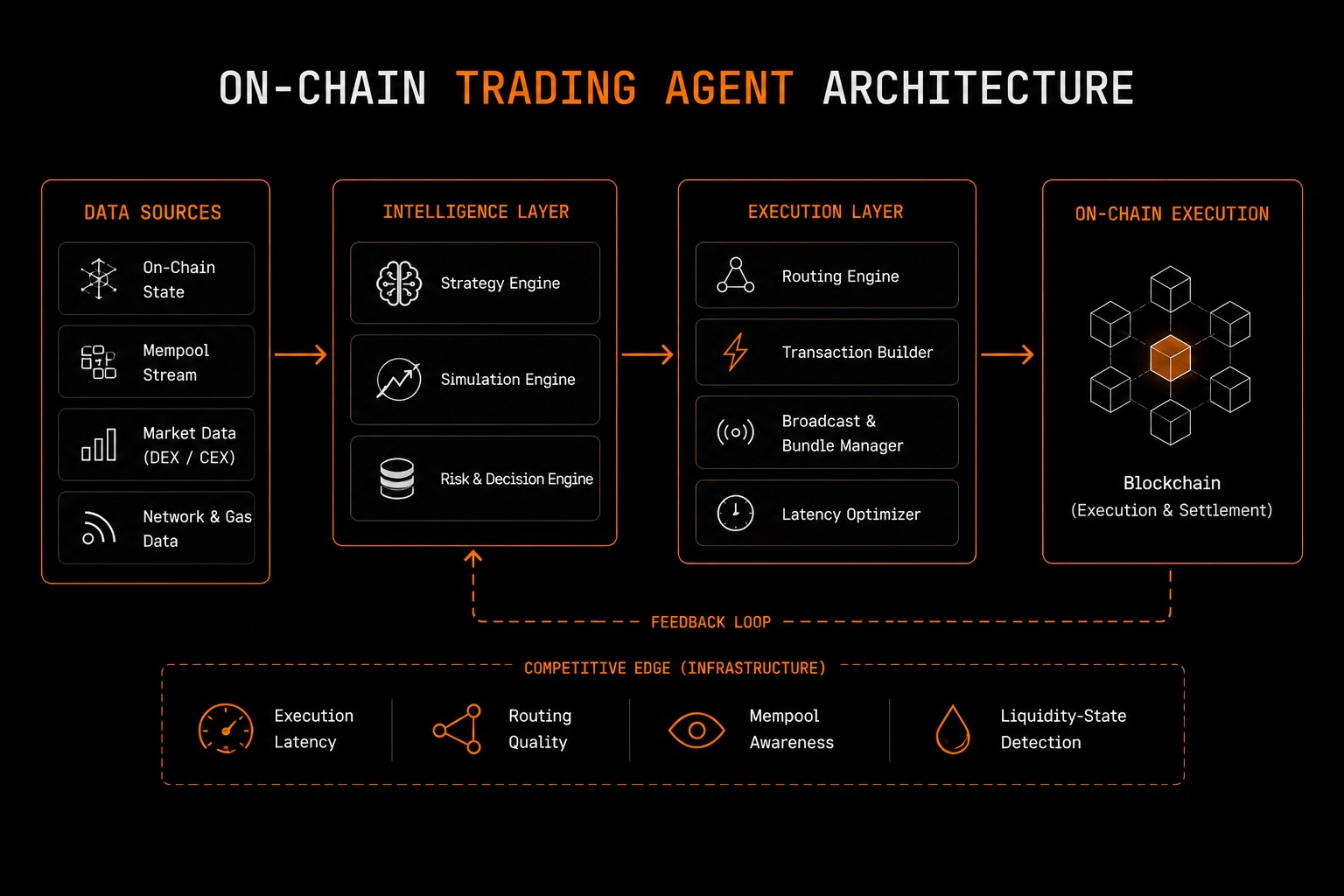
One of the strongest concepts inside the OpenLedger ecosystem is Proof of Attribution.
Most AI systems today still operate like black boxes:
Outputs appear
Reasoning remains hidden
Contribution pathways disappear
Accountability becomes difficult
OpenLedger attempts to solve that problem by building infrastructure capable of tracing:
Dataset influence
Model contribution
Inference pathways
Contributor participation
The important part here is not just transparency.
It is economic accountability.
Because eventually AI ecosystems may need infrastructure capable of answering:
Who contributed?
Which model acted?
Which data influenced the output?
Who should receive value distribution?
Current AI infrastructure still struggles heavily with those questions.
Autonomous AI Agents Create New Infrastructure Problems
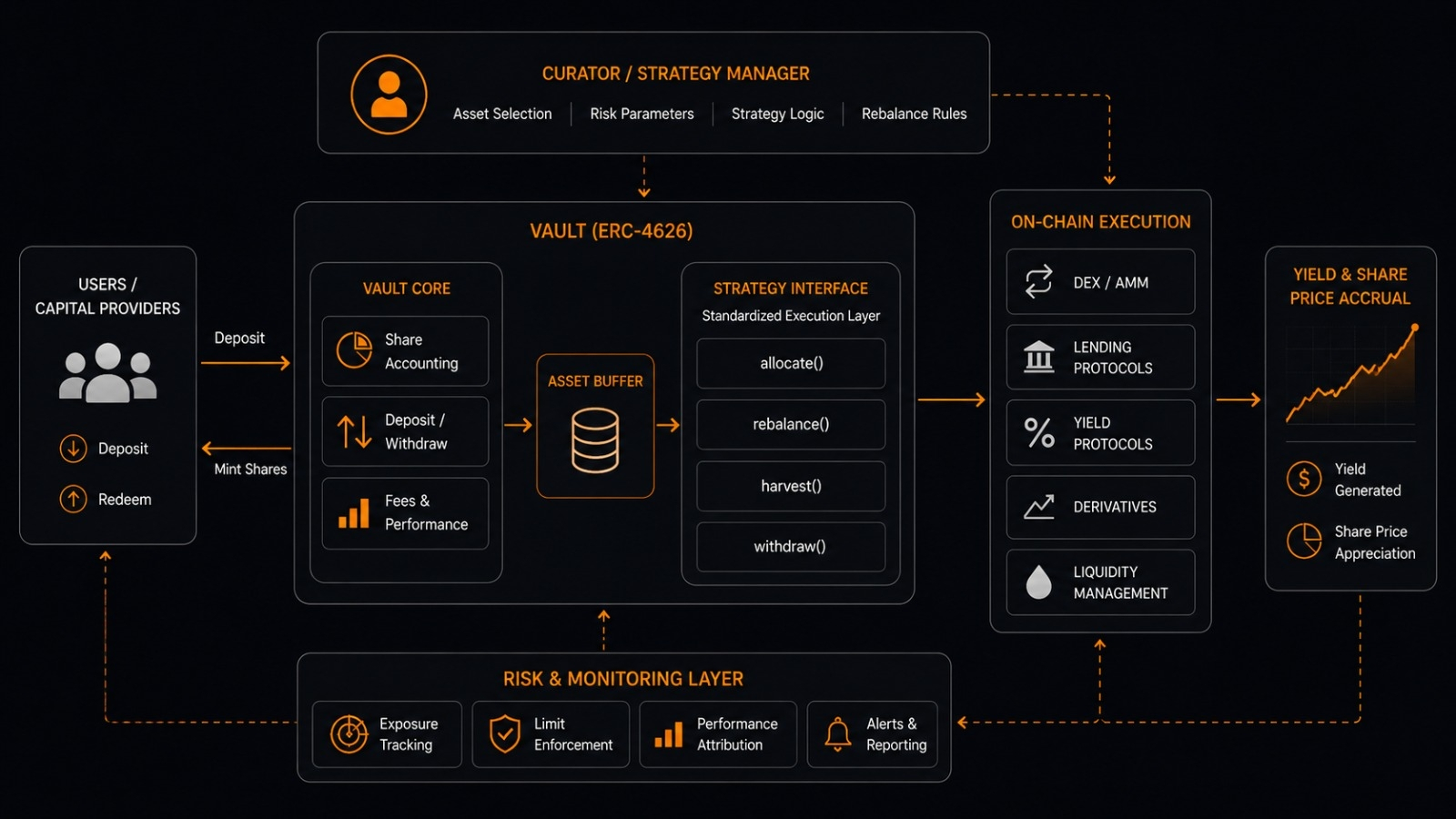
The rise of AI agents changes the infrastructure conversation completely.
Once autonomous systems begin:
Coordinating transactions
Managing liquidity
Interacting across chains
Automating operational decisions
Executing financial activity
execution transparency becomes critical.
This is why OpenLedger’s recent focus around:
Onchain execution
Decentralized inference
Agent coordination
Transparent settlement systems
feels increasingly relevant.
The ecosystem direction suggests OpenLedger is preparing for AI systems that operate economically rather than simply conversationally.
And honestly, I think most people still underestimate how important this transition becomes later.
Cross-Chain Coordination May Become A Major AI Bottleneck
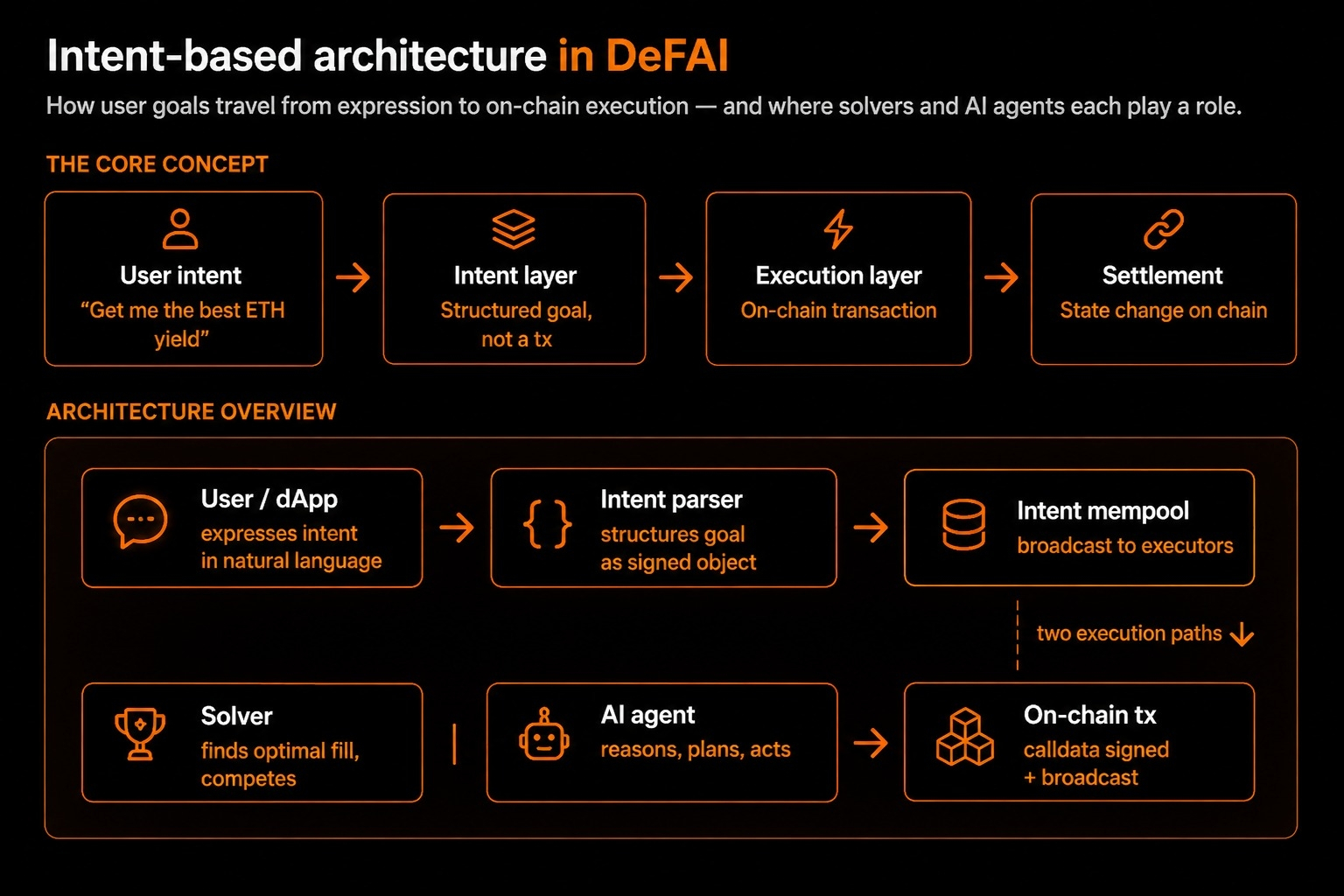
Another interesting direction is OpenLedger’s growing ecosystem collaboration around interoperability and decentralized coordination systems.
As AI agents begin operating across multiple blockchain environments, attribution becomes significantly harder.
An autonomous system may:
Read data from one chain
Execute elsewhere
Settle on another network
Coordinate with external protocols simultaneously
Without transparent coordination infrastructure, accountability quickly breaks down.
This is one reason OpenLedger’s integration direction involving cross-chain infrastructure and verifiable execution systems feels strategically important.
The project appears focused on preserving attribution visibility even as AI environments become increasingly interconnected.
The Hardest Problem Is Still Scalability
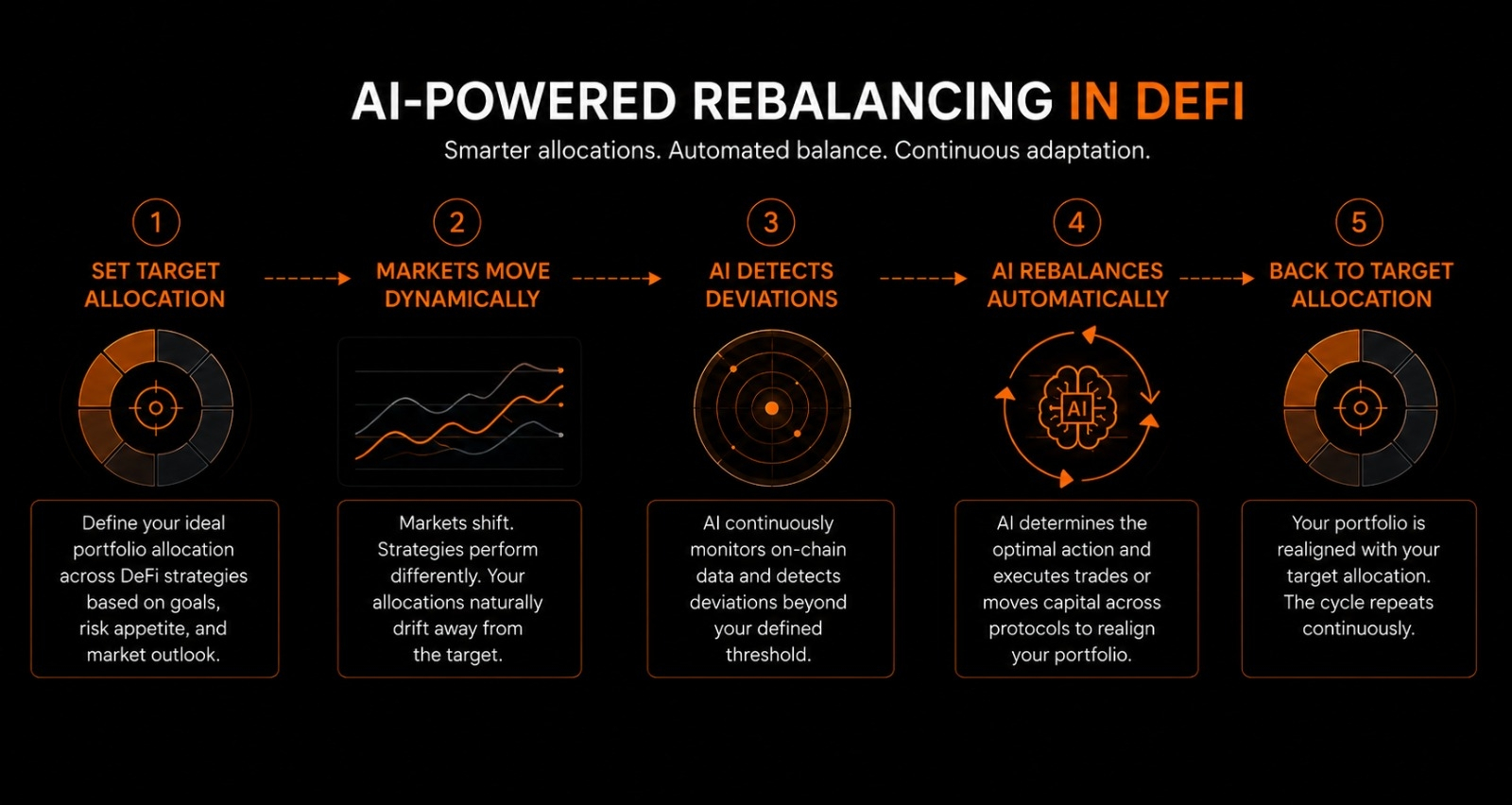
Of course, attribution at scale is extremely difficult.
Modern AI systems are:
Probabilistic
Layered
Continuously evolving
Computationally complex
Tracking contribution accurately across datasets, models, agents, and inference pathways without introducing manipulation vectors or inefficiencies may become one of the hardest infrastructure problems inside decentralized AI.
This is why the real test for OpenLedger is not marketing.
It is execution.
Because building accountable AI economies requires infrastructure that can actually scale under real-world complexity.
Conclusion
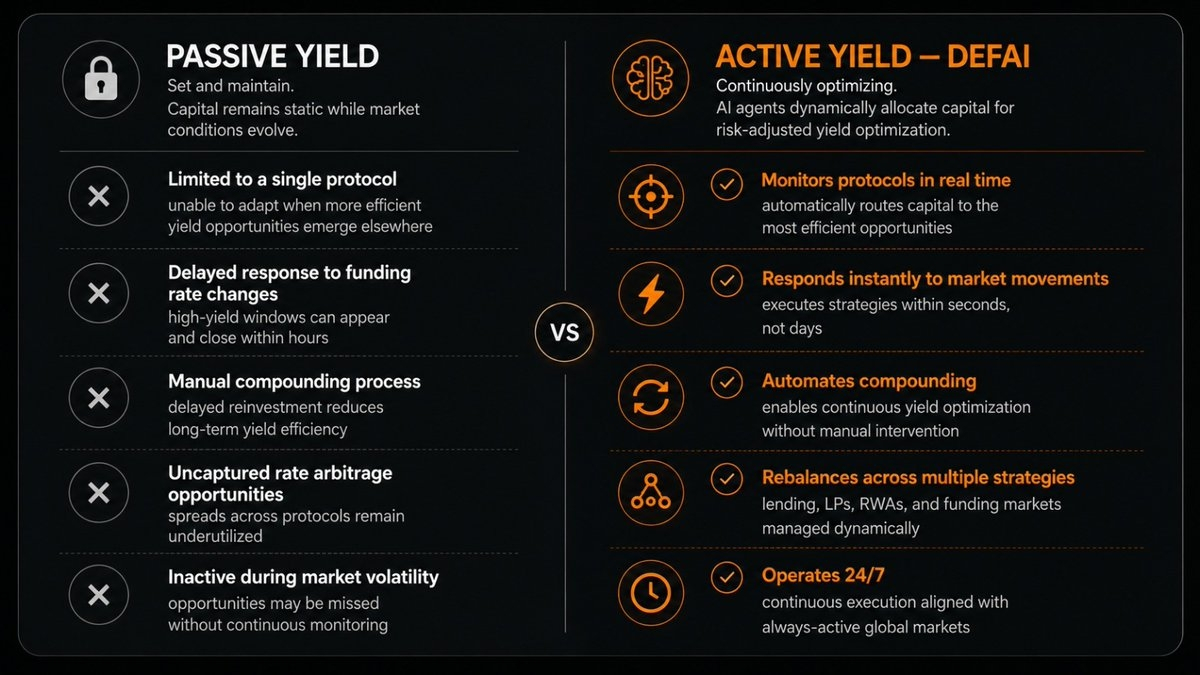
The decentralized AI sector is slowly moving beyond simple chatbot narratives and speculative AI branding.
The larger opportunity increasingly appears connected to:
Attribution infrastructure
Transparent execution
Decentralized coordination
Accountable AI economies
That is the layer OpenLedger seems to be targeting.
If autonomous AI systems continue expanding across decentralized financial and computational environments, projects building transparent infrastructure underneath AI may become much more important than most people currently realize.
