
#TrumpSaysIranDealLargelyNegotiated #BitcoinRisesOnIranPeaceDeal
President Donald Trump has suggested that a possible peace agreement with Iran may be closer than many expected, raising hopes for easing tensions in one of the world’s most sensitive geopolitical regions. According to reports from Bloomberg, Trump stated that a deal has been “largely negotiated” and that an official announcement could arrive soon if final discussions move forward successfully
The potential agreement centers around the reopening of the Strait of Hormuz, a critical waterway responsible for transporting a major portion of the world’s oil and energy supplies. Since the conflict intensified on February 28, the strait has faced major disruptions, creating uncertainty across global energy markets and pushing oil prices sharply higher. Economists and analysts have closely watched developments in the region because any instability in the Strait of Hormuz directly affects international trade, fuel prices, and overall market confidence.
Trump shared the update through a social media statement on Saturday, explaining that negotiations are still being finalized between the United States, Iran, and several key regional countries. He also noted that he had recently spoken with advisers and leaders from Saudi Arabia, the United Arab Emirates, Qatar, Pakistan, Turkey, and Israel. These conversations appear to be part of a broader diplomatic effort aimed at reducing tensions and restoring stability in the region.
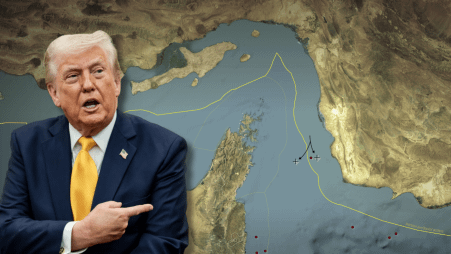
While Trump sounded optimistic about progress, officials within his administration have acknowledged that important disagreements still remain unresolved. Secretary of State Marco Rubio confirmed that discussions have moved forward in recent days, but he cautioned that some of the toughest issues are still under debate. Among the key concerns are Iran’s nuclear program, the possibility of sanctions relief, and the future administration and security oversight of the Strait of Hormuz.
Iran’s nuclear activities have long been one of the biggest sources of tension between Tehran and Western governments. The United States and its allies have repeatedly expressed concerns over uranium enrichment and the potential development of nuclear weapons capabilities. Iran, however, has continued to insist that its nuclear program is intended for peaceful purposes, including energy production and scientific research. Finding common ground on this issue remains one of the biggest obstacles to any lasting agreement.
Another major point of discussion involves economic sanctions. Iran has faced years of financial restrictions imposed by the United States and other Western nations, severely impacting its economy, currency value, and international trade opportunities. Iranian officials have consistently demanded meaningful sanctions relief in exchange for concessions during negotiations. However, many American lawmakers and international observers remain cautious about easing restrictions too quickly without firm guarantees regarding security and nuclear commitments.
The reopening of the Strait of Hormuz could have significant consequences for global markets. Oil prices have remained above $100 per barrel during the recent conflict, increasing inflation concerns and placing additional pressure on consumers and businesses worldwide. Energy-importing countries have especially felt the impact of rising fuel costs, while investors continue monitoring the situation closely for signs of stability or further escalation.
For Trump, the negotiations also carry major political importance domestically. With the November midterm elections approaching, the administration faces increasing pressure to demonstrate progress on both foreign policy and economic stability. High fuel prices and international uncertainty have become key concerns for voters, making any diplomatic breakthrough with Iran potentially valuable for the White House.
Despite growing optimism, experts caution that diplomatic agreements involving regional security and nuclear negotiations are rarely simple. Even if an announcement comes soon, the implementation phase could take months and may still face resistance from political groups within both the United States and Iran. Nevertheless, the possibility of reduced tensions and restored trade routes has already generated cautious optimism among global markets and international observers.
As negotiations continue behind closed doors, the world remains focused on whether both sides can transform preliminary progress into a lasting agreement that could reshape stability across the Middle East and global energy markets.