
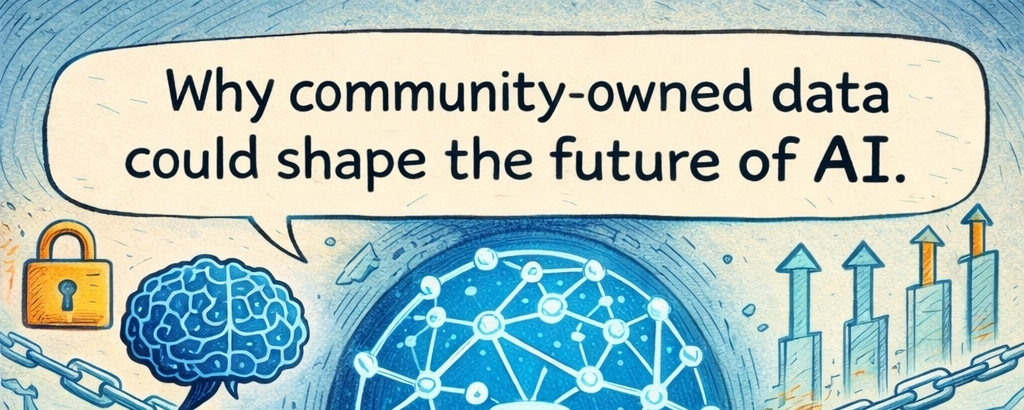
Artificial intelligence is evolving faster than ever, but one important question still remains unanswered: who actually owns the value created by AI? Most modern AI systems are trained using massive amounts of community-generated data, yet contributors rarely receive recognition, transparency, or rewards for their role in building these systems. This is where @OpenLedger introduces a very different vision through its concept of “Datanets.”
Datanets are decentralized datasets where communities can contribute, validate, and organize information together instead of relying on centralized corporations to control everything. Rather than treating user data like a hidden resource, OpenLedger turns contribution into a visible and valuable part of the ecosystem. Every upload, validation process, and contribution can be tracked transparently on-chain, creating a more open AI infrastructure.
What makes this idea interesting is that OpenLedger is not only building AI tools, but also creating an economic layer around data itself. In traditional AI systems, platforms capture most of the value while contributors remain invisible. OpenLedger’s Proof of Attribution mechanism attempts to change this by connecting datasets directly to AI outputs and rewarding contributors based on the impact of their data.
The concept feels important because AI models are only as powerful as the data they learn from. Specialized and verified datasets are becoming increasingly valuable for creating accurate and efficient AI systems. OpenLedger’s Datanets focus on building domain-specific datasets that communities can continuously improve together.
Another strong aspect is transparency. Centralized AI systems often function like black boxes where users never understand how information is sourced or monetized. OpenLedger introduces a structure where participation becomes auditable, decentralized, and community-driven. This creates the possibility of a fairer AI economy where contributors are not just users, but stakeholders.
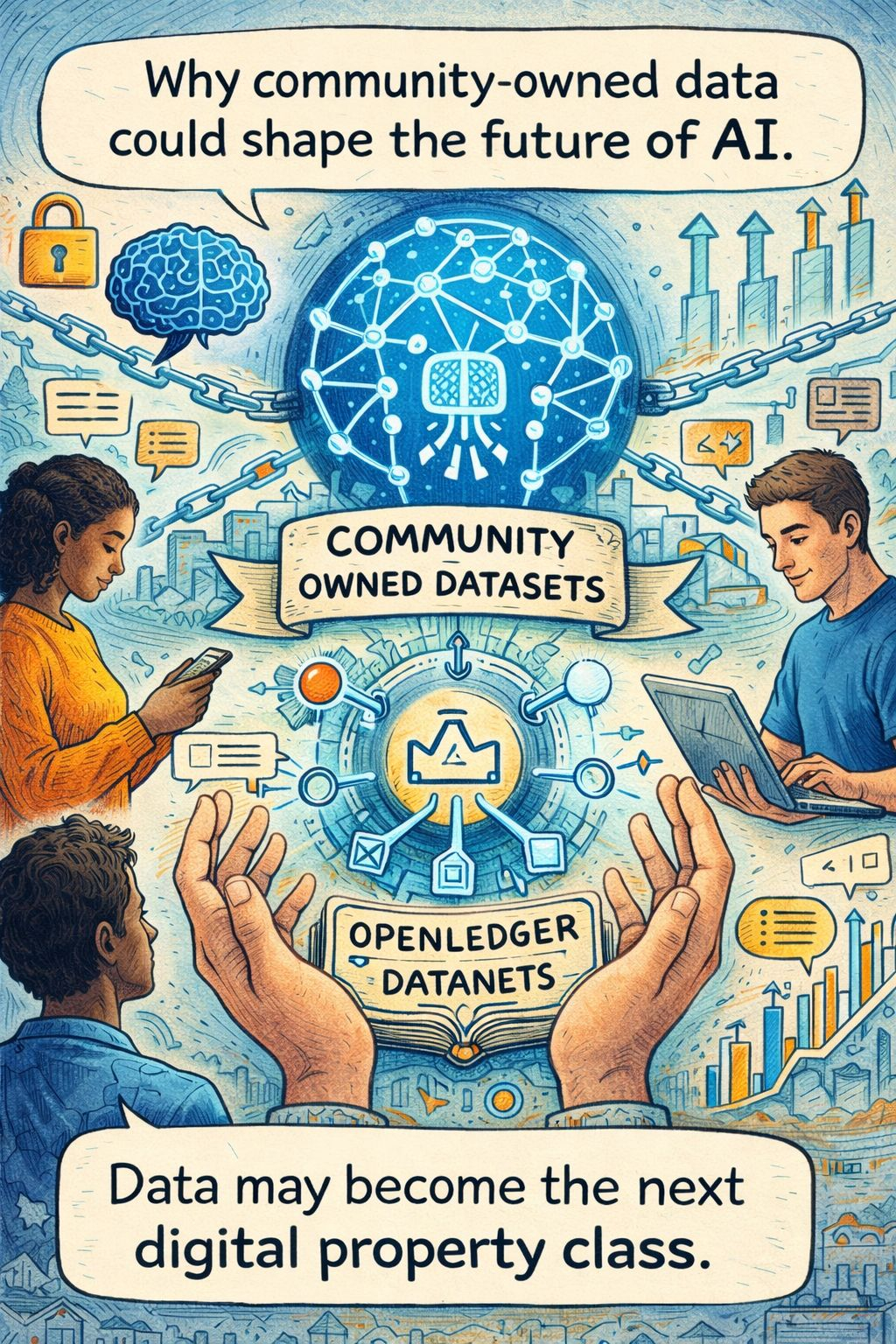
In many ways, decentralized AI could become as transformative as decentralized finance was for the financial industry. Data may become the next digital property class, and projects focused on contributor ownership could define the future relationship between AI, blockchain, and communities.