I’m watching OpenLedger the same way I watch most AI crypto projects now — quietly, carefully, and with a little less excitement than the market seems to expect from me.
Not because the idea is bad. Honestly, the idea makes sense on the surface. AI runs on data, models, and computing power, and OpenLedger wants to turn those things into assets people can actually monetize. That’s a real conversation. The problem is that crypto has become very good at making concepts sound inevitable long before they become useful.
That’s the part I keep getting stuck on.
Every cycle introduces another project that claims it will “unlock” hidden value through decentralization. Sometimes it’s storage. Sometimes it’s computing. Now it’s AI coordination and agent economies. The language evolves fast, but the pattern underneath it feels strangely familiar. Big promises arrive early. Real adoption usually arrives much later, if it arrives at all.
What makes OpenLedger interesting is that it’s trying to sit in the middle of two industries that are both driven heavily by narrative right now: AI and crypto. That combination creates attention almost automatically. People want exposure to AI. Crypto wants relevance again. Put them together and the market starts imagining the future before the infrastructure is fully tested.
I’ve noticed that nobody really talks enough about the uncomfortable middle stage — the period after the excitement fades but before real usage appears.
That’s where projects either become infrastructure or slowly disappear into background noise.
The idea of monetizing data sounds powerful until you start asking simple questions. Who is buying the data? Why would major AI companies depend on decentralized networks instead of controlling everything internally? What happens when token rewards attract low-quality contributions just because people want incentives?
Those aren’t dramatic questions. They’re normal questions. But crypto markets don’t always reward normal questions during hype cycles.
And then there’s the “AI agents” narrative that keeps getting repeated everywhere lately. Autonomous agents trading value, interacting on-chain, coordinating tasks independently — it all sounds futuristic enough to attract attention immediately. But most of these systems still depend heavily on centralized infrastructure behind the scenes. Sometimes the vision feels ahead of the actual behavior.
I’m not saying OpenLedger fails because of that. I just think people underestimate how difficult execution becomes once a project moves beyond storytelling.
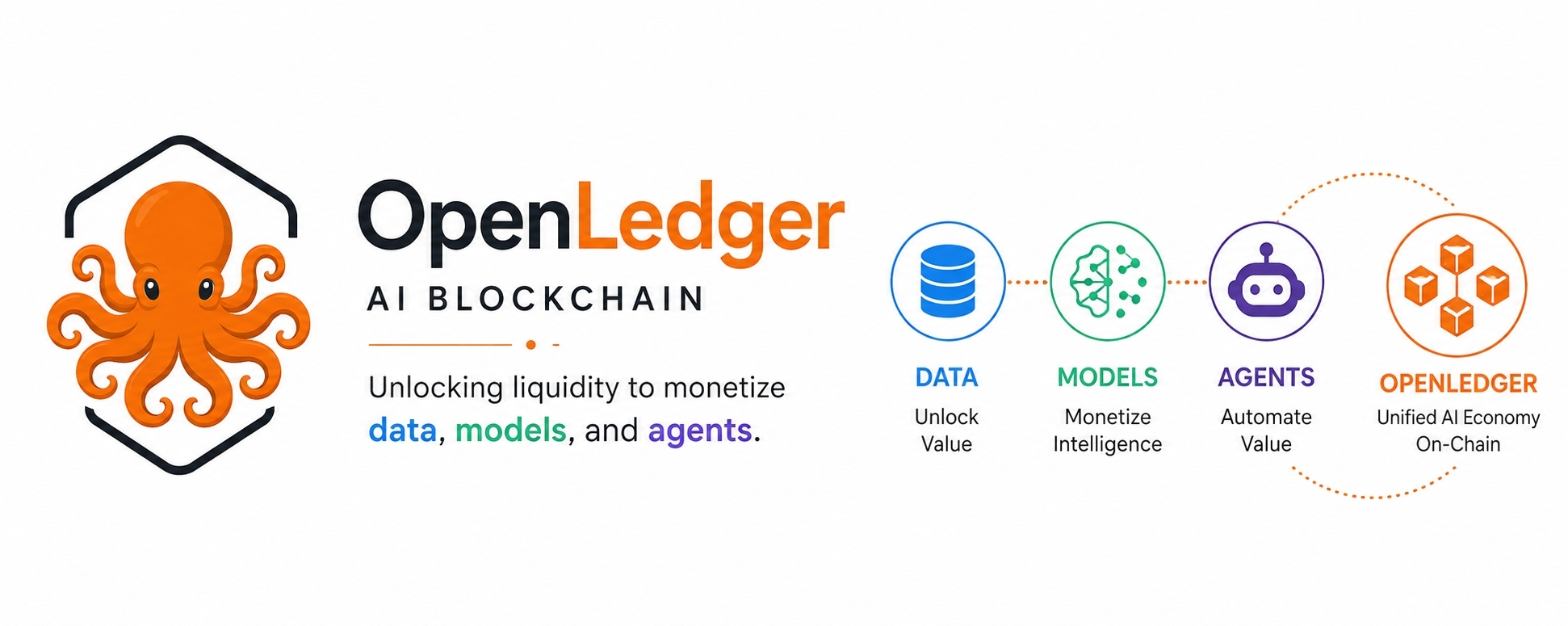
That’s the part I focus on now. Not announcements. Not partnerships. Not the perfectly designed graphics on social media. I watch whether networks still matter once the market becomes less emotional.
Because attention is easy during AI hype. Sustainability is harder.
Maybe OpenLedger eventually proves there’s real demand for decentralized AI economies. Maybe it becomes one of the few projects that survives after speculation cools down. Or maybe the market is still too early, too crowded, and too addicted to future narratives to build something durable yet.
Right now, it still feels like an open question more than a confirmed direction.