#OpenLedger i was sitting the other night watching another wave of AI tokens pump on timelines, and honestly, most of them started feeling empty to me. A lot of projects keep pushing this futuristic “AI agent economy” narrative, but when you look deeper, there is no real ownership layer underneath it. The model generates value, users interact with it, communities feed it data, and somehow the actual contributors still sit outside the loop. That is probably why OpenLedger caught my attention differently.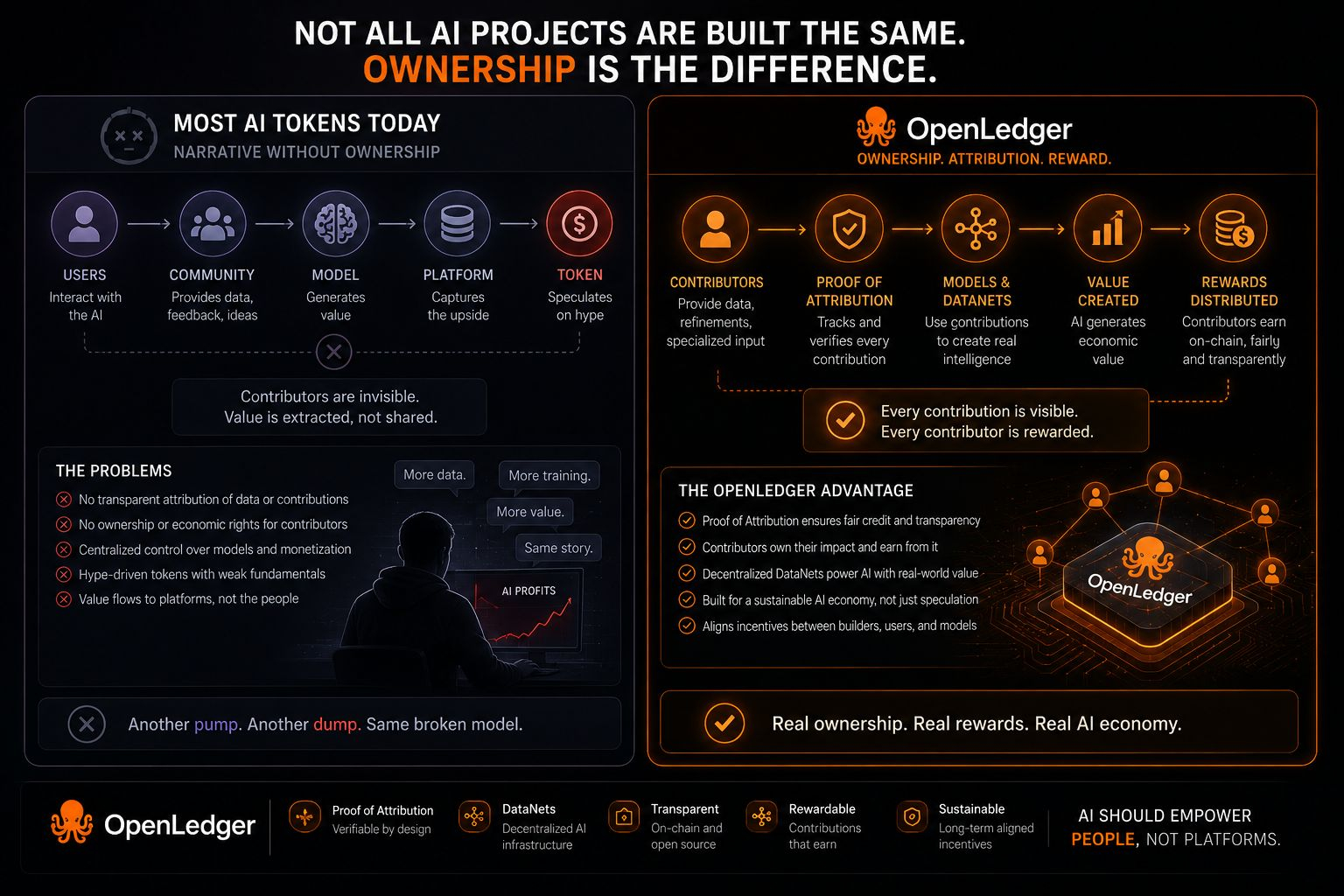
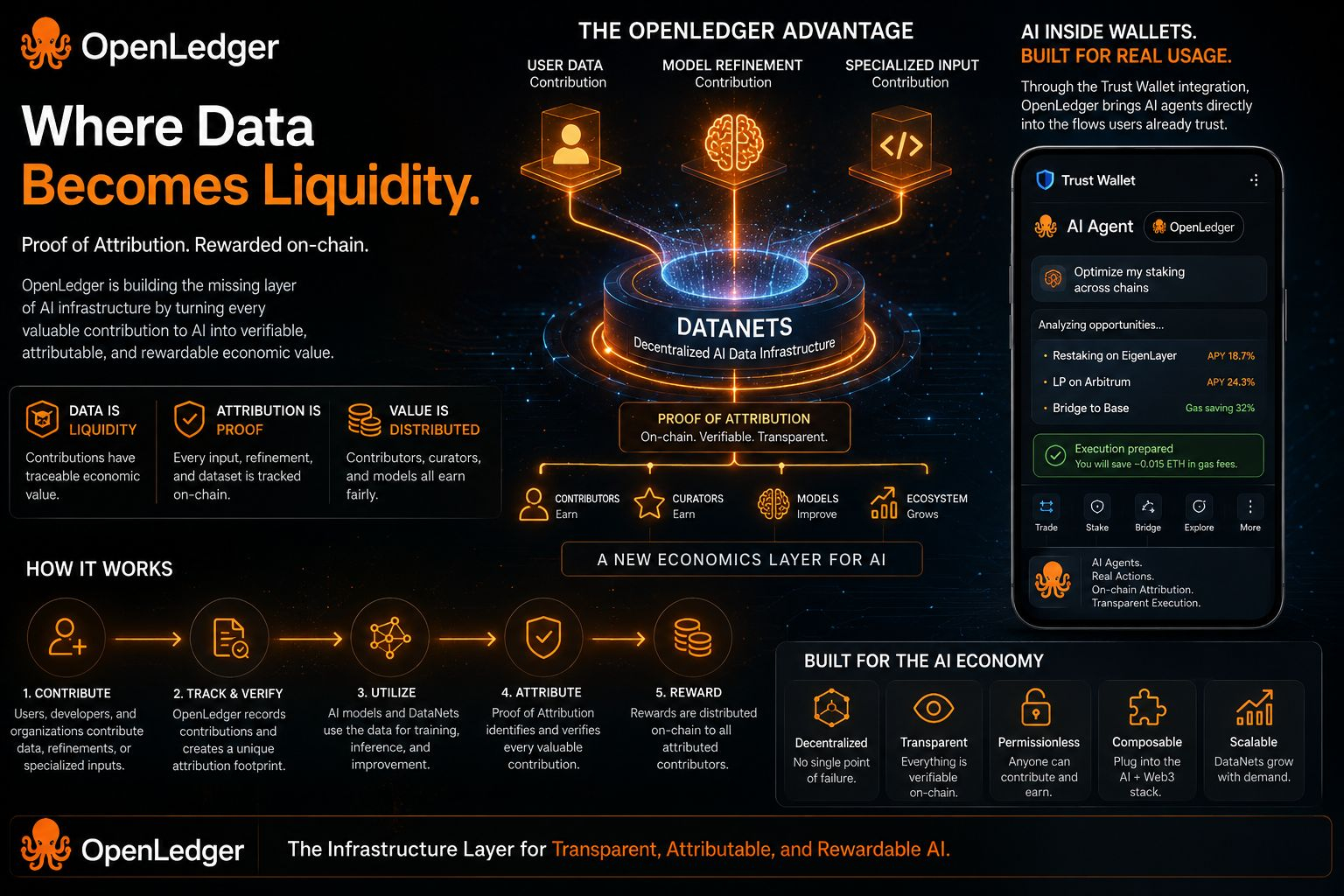
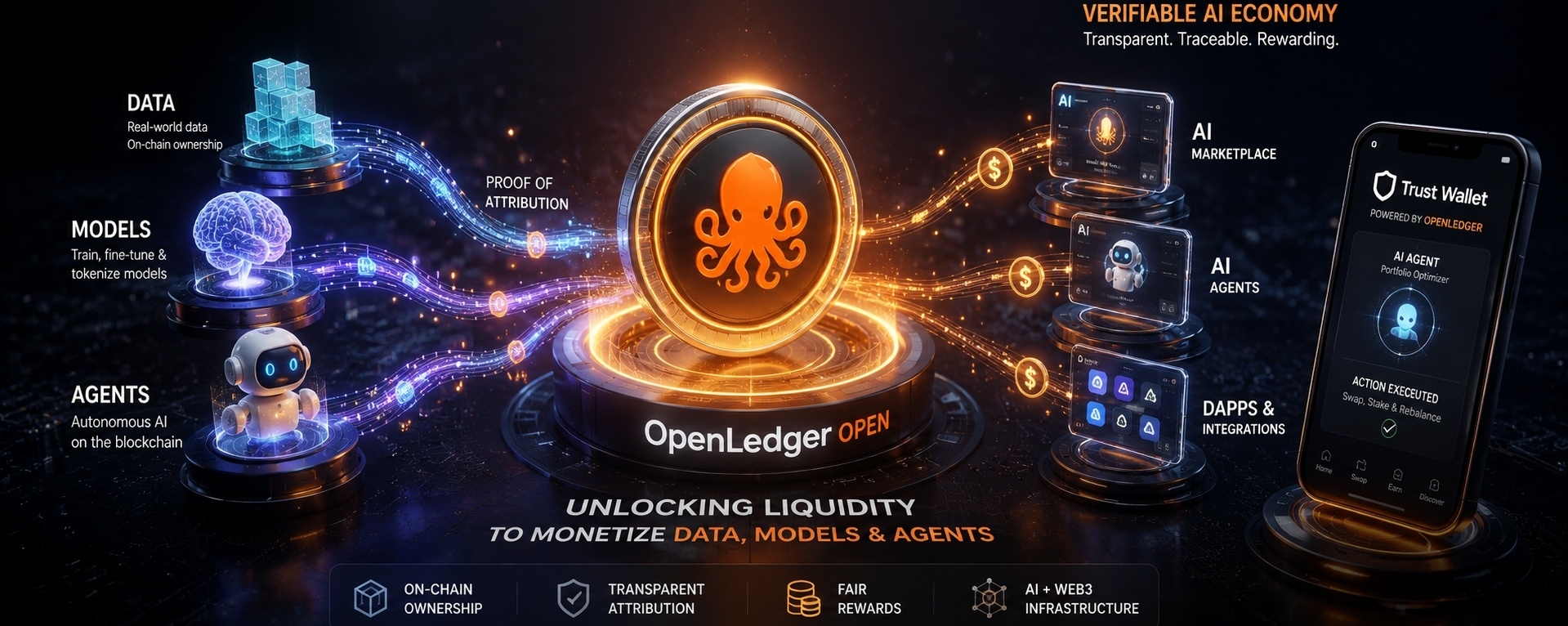
What I think @OpenLedger understands better than most AI chains is that data itself is becoming a form of liquidity. Not just information. Not just training fuel. Actual economic value. Their whole system around Proof of Attribution and DataNets feels like they are trying to solve the missing piece of AI infrastructure instead of just launching another flashy assistant with a token attached to it. If an AI model uses your data, your refinement, or your specialized input, the network should be able to trace that contribution and reward it on-chain. That idea sounds simple, but it completely changes the economics behind AI.
OpenLedger Chain is the foundation for trusted AI.🐙
The recent Trust Wallet integration made this even more interesting in my view. Most people saw “AI inside wallets” and moved on. I think the deeper signal is that OpenLedger is trying to embed AI directly into existing crypto behavior instead of forcing users into isolated ecosystems nobody sticks with. Wallets are already where users trade, stake, bridge, and manage risk daily. Now imagine AI agents helping automate those flows while the underlying execution, model usage, and attribution remain transparent and verifiable. That starts looking less like a demo narrative and more like actual infrastructure.
From my experience in crypto, the projects that survive are usually the ones fixing invisible problems before the market fully notices them. Ethereum monetized blockspace. Solana monetized speed and user flow. I think OpenLedger is trying to monetize intelligence itself in a way that keeps ownership transparent. That is a much harder problem than launching another AI app, but if they pull it off, OPEN could become one of the few AI-related ecosystems with real long-term utility instead of temporary hype liquidity.
And honestly, the more I think about it, the more I feel this is where the entire AI narrative eventually goes. Not toward the loudest model or the flashiest interface, but toward networks that can prove who contributed value and who deserves to earn from it. Because once AI agents start handling more on-chain activity, the biggest question will not be how smart the system looks. It will be whether the value created by that intelligence actually flows back to the people powering it.