

Last night around 12:40, I've been found myself staring at a screen full of browser tabs, all open to different AI infrastructure dashboards. It was one of those moments where the industry starts to feel incredibly hollow. Everything looked identical. Same flashy landing pages, same promise of decentralized intelligence, same vague claims about changing the world. I have spent enough time in crypto to know that when the branding becomes this polished and the whitepapers start using the same buzzwords, the actual product is usually non-existent. I was really ready to close the laptop and call it a night, feeling like I had just wasted another few hours watching tokens pump and dump based on nothing but marketing fluff. Most of these projects are just empty wrappers built on top of centralized cloud services, pretending to be decentralized for the sake of a ticker symbol.
But then I clicked back into the @OpenLedger documentation, probably out of My habit more than anything else. I had been digging through their technicals earlier in the week and for some reason, it kept sticking in my mind. It was not the usual hype. It was actually focused on the one thing everyone else seems to be skipping the data pipeline. We are spend so much time talking about compute and GPU power, but we rarely talk about the fact that the actual fuel for these models, the data, is still trapped in the same walled gardens. The big tech monopolies own the training sets and the people actually contributing that data get absolutely nothing. That is the black box problem. It is not just about the model being a secret; it is about the entire value chain being centralized.
What caught my attention with #OpenLedger was the shift from just talking about decentralization to actually building a verifiable data provenance system. In most systems, anyone can dump low quality or AI generated junk into a dataset to try and farm rewards. It is the classic spam problem. If you pay people for data, they will find the fastest way to game the system with garbage. But open seems to be tackling this through a multi layer validation process. They are using decentralized nodes to verify the quality and the source of the data before it ever gets included in a training set. At least they’re trying to implement it instead of just writing about it. It is an attempt to build an on chain ledger for data provenance. When you have verifiable proof of where a piece of information came from and how it was verified, you start to build something that actual enterprise AI developers might trust.
This matters to me because it is a fundamental shift in economic reality. Right now, if a corporation wants to train a specialized model, they are forced to go to the data brokers or scrape the web, which is becoming increasingly unreliable. By creating a system where data creators get compensated directly through a fair reward distribution model, you are effectively cutting out the middleman. You are turning data from a commodity that is stolen into an asset that is owned. If I provide high quality, verified data that helps a medical AI model get better at diagnosing rare conditions, I should be rewarded for that. OpenLedger is trying to create the plumbing that makes that transaction possible and that is a much harder, more boring and more sustainable goal than whatever the latest memecoin is trying to achieve.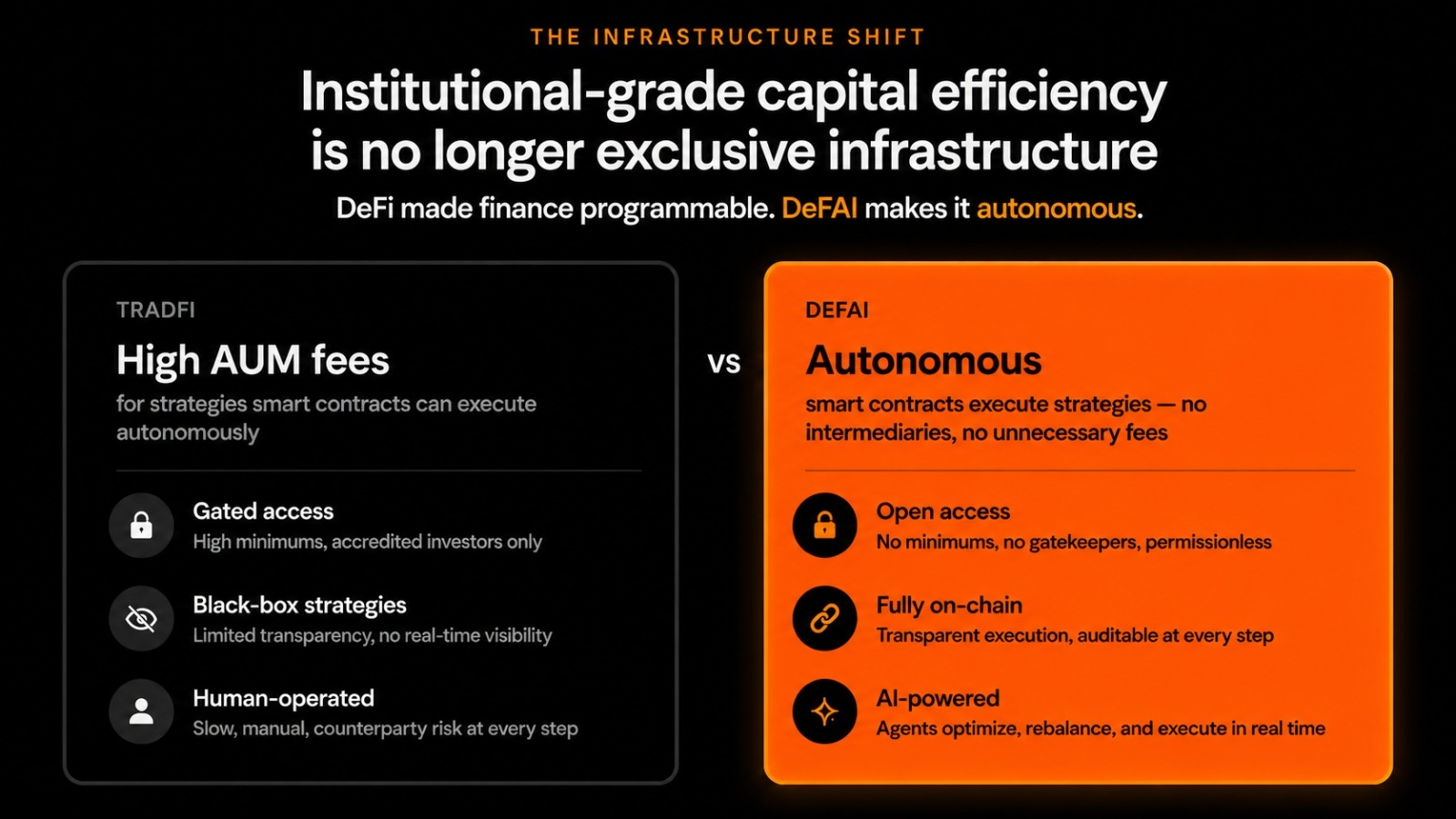
At a practical level the $OPEN token functions as the coordination layer of the network. Validators are incentivized to verify data quality honestly, contributors are rewarded when their datasets improve model performance and developers pay for access to verified data pipelines and AI services running across the ecosystem. Without a shared economic layer, none of these participants would have a reason to trust or coordinate with each other at scale.
Of course, I am not naive enough to think this is a guaranteed win. There is a massive, uncomfortable reality here. Balancing decentralized data quality is incredibly difficult. If those validation nodes are not incentivized correctly or if they start acting in their own interest, the whole system will get flooded with low quality data. If the AI companies cannot rely on the information because it is noisy or corrupted, they will just go back to their private, centralized servers. The system only works if the barrier to entry for bad actors remains high and the reward for honest contributors stays meaningful. It is a fragile balance, and if the validation layer fails to filter out the spam, the entire value proposition collapses. There is no magic Pill and No easy fix to this here and we are still in the very early, messy stages of seeing if this can actually scale under real pressure.
I think the real test for something like this is not retail adoption, but enterprise interest. Its survival is not going to depend on how many people are trading the token, but on whether actual AI studios start integrating these data markets into their workflows. If we start seeing companies pulling their training data from decentralized sources because it is cheaper, cleaner and more verified than what they can scrape themselves, then we have a real signal. I am currently watching to see if external AI developers are actually adopting these layers over the next few months. We need to see consistent, non-hype usage where the network is being utilized to solve actual production problems.
That is why I am spending my time here. It feels like we have spent the last few years playing with toys in the sandbox and we are finally starting to see the first few pieces of real infrastructure being laid down. It is not about the price of the token or the latest announcement on social media. It is about whether or not we can build a system that manages data in a way that is transparent, verifiable, and fair. I have learned to ignore the marketing decks and look for the boring, unsexy parts of the code. That is where the actual work happens.
If we want decentralized AI to mean anything more than a buzzword, we have to stop focusing on the hype and start paying attention to how these protocols handle the gritty, real world data problems that the big tech companies have been hiding behind their closed doors for years. It is going to be a long, slow process and most of these projects will probably fail, but this is the right kind of friction to be working through. Building in production is the only way to find out if the theory actually holds up when it hits the real world.
It's My analysis and research but still it's not any buy sell signal, I am not Financial Advicer Please Do you on your research, keep Research Stay safe.DYOR.