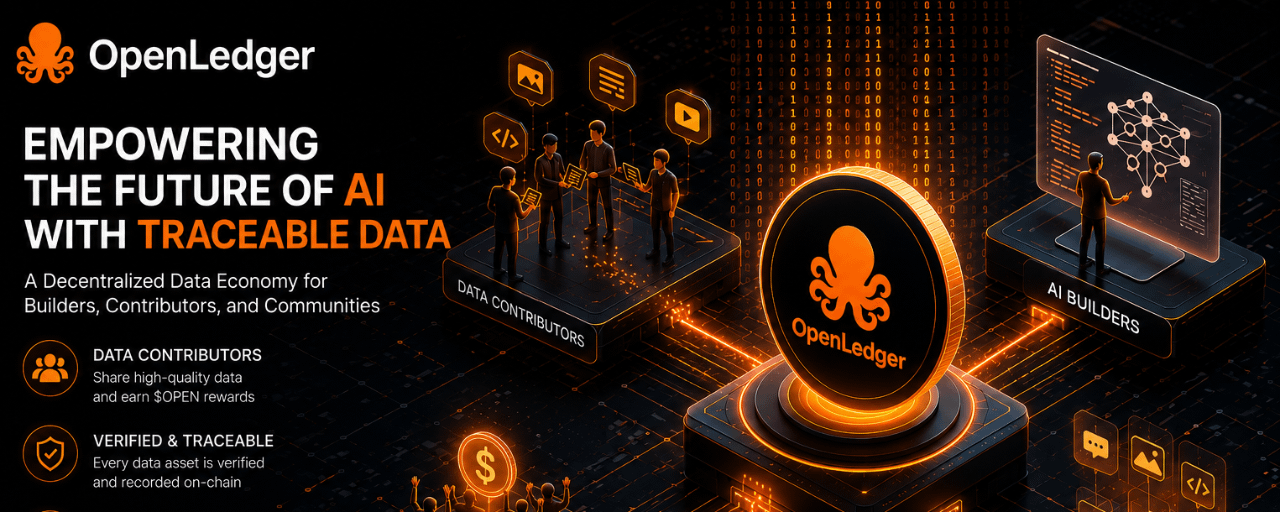
Over the past few years, artificial intelligence has advanced at an incredible pace. We've seen the rise of powerful AI models capable of generating text, creating images, assisting with research, and even writing code. Yet behind this rapid innovation lies an important question: who owns the data that powers AI, and who truly benefits from the value it creates?
This is one of the reasons why I became interested in @OpenLedger and the ecosystem surrounding $OPEN.
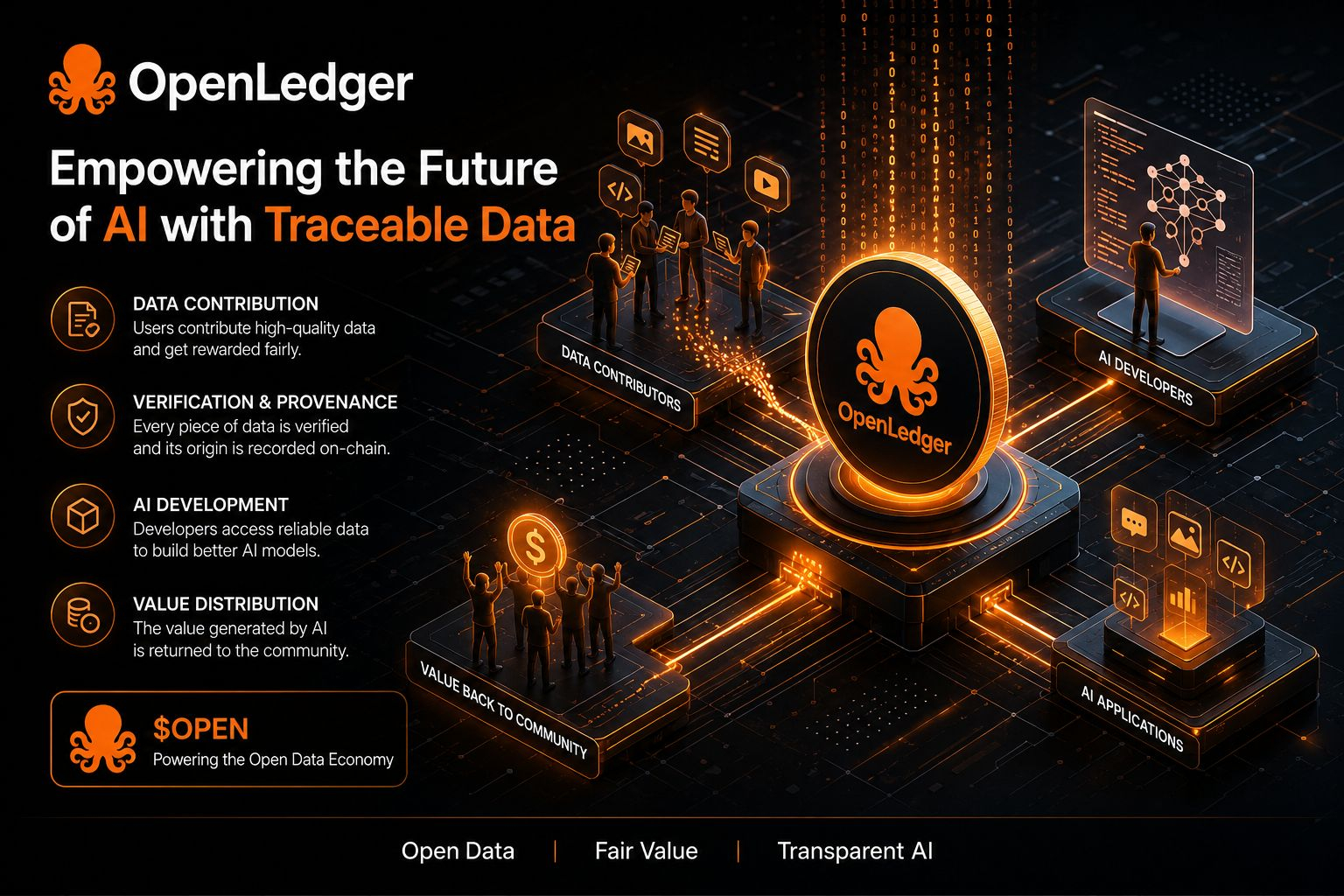
What stands out about OpenLedger is not simply its connection to AI, but its approach to data ownership and contribution. Rather than treating data as a free resource to be collected and monetized, OpenLedger aims to build a more transparent data economy where contributors can be recognized and rewarded for the value they provide.
If we look at the broader picture, data has become one of the most valuable assets in the digital world. The more advanced AI becomes, the greater the demand for high-quality and trustworthy data. However, most internet users still receive little to no direct benefit from the value generated by their contributions. Every day, people create content, share knowledge, and interact online, yet much of the economic value is captured by centralized platforms.
OpenLedger is attempting to change that dynamic by building infrastructure that allows data to be verified, tracked, and rewarded in a more transparent and equitable way. In a future where AI continues to reshape industries, this could become an increasingly important layer of the digital economy.
One aspect I appreciate is that OpenLedger is focused on solving a foundational problem rather than simply following the latest AI trend. The project places significant emphasis on the origin, validation, and utility of data—the very elements that determine the quality and reliability of AI systems. In the long run, these foundational layers may prove more valuable than many of the applications built on top of them.
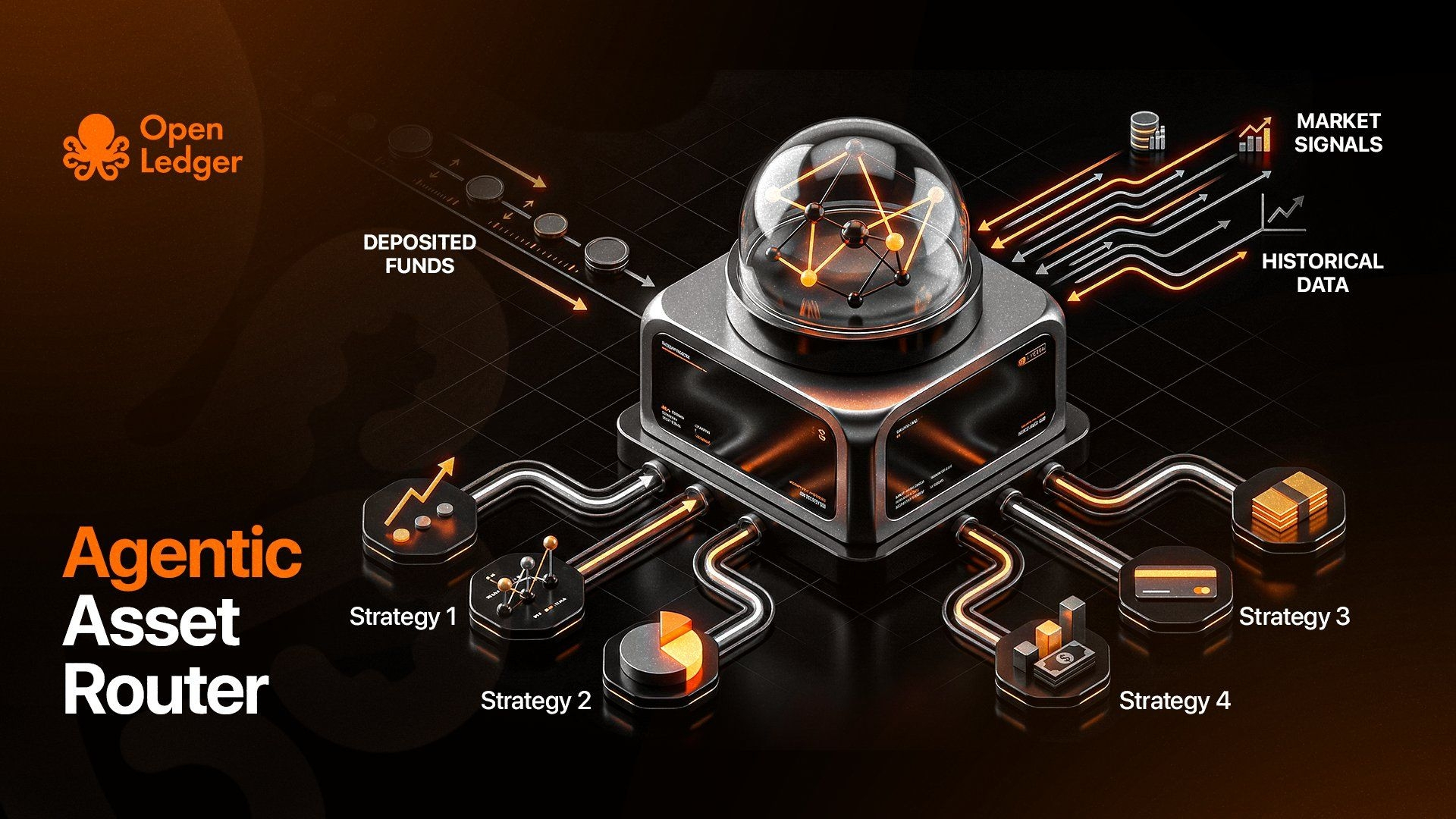
The role of open within the ecosystem is also worth watching. As the network grows, the token helps connect contributors, developers, and participants who interact with the platform. If adoption increases and more real-world use cases emerge, the utility of the token could expand alongside the ecosystem itself.
Of course, like any blockchain project, OpenLedger will need time to demonstrate its scalability, attract a strong community, and prove the sustainability of its economic model. Success is never guaranteed. However, from a conceptual perspective, OpenLedger is one of the few AI-related projects that appears to be addressing a genuine challenge rather than simply capitalizing on market hype.
As AI and blockchain continue to converge, I believe projects focused on data ownership, transparency, and fair value distribution will have a meaningful role to play. OpenLedger is positioning itself within that narrative, which is why I continue to follow its development closely.
The future of AI may not belong solely to the companies building the models. It may also belong to the people who contribute the data that makes those models possible. If that vision becomes reality, projects like OpenLedger could help shape a more open and equitable digital economy.
What are your thoughts on OpenLedger's approach to data ownership and AI infrastructure? Could this become an important standard for the decentralized AI ecosystem in the years ahead?