I’m watching OpenLedger the same way I watch most AI and crypto projects lately — quietly, with interest, but also with a bit of fatigue. The market moves fast, narratives move even faster, and suddenly every new platform is supposed to redefine ownership, intelligence, and the internet itself. After a while, the promises start sounding familiar, even when the branding changes.
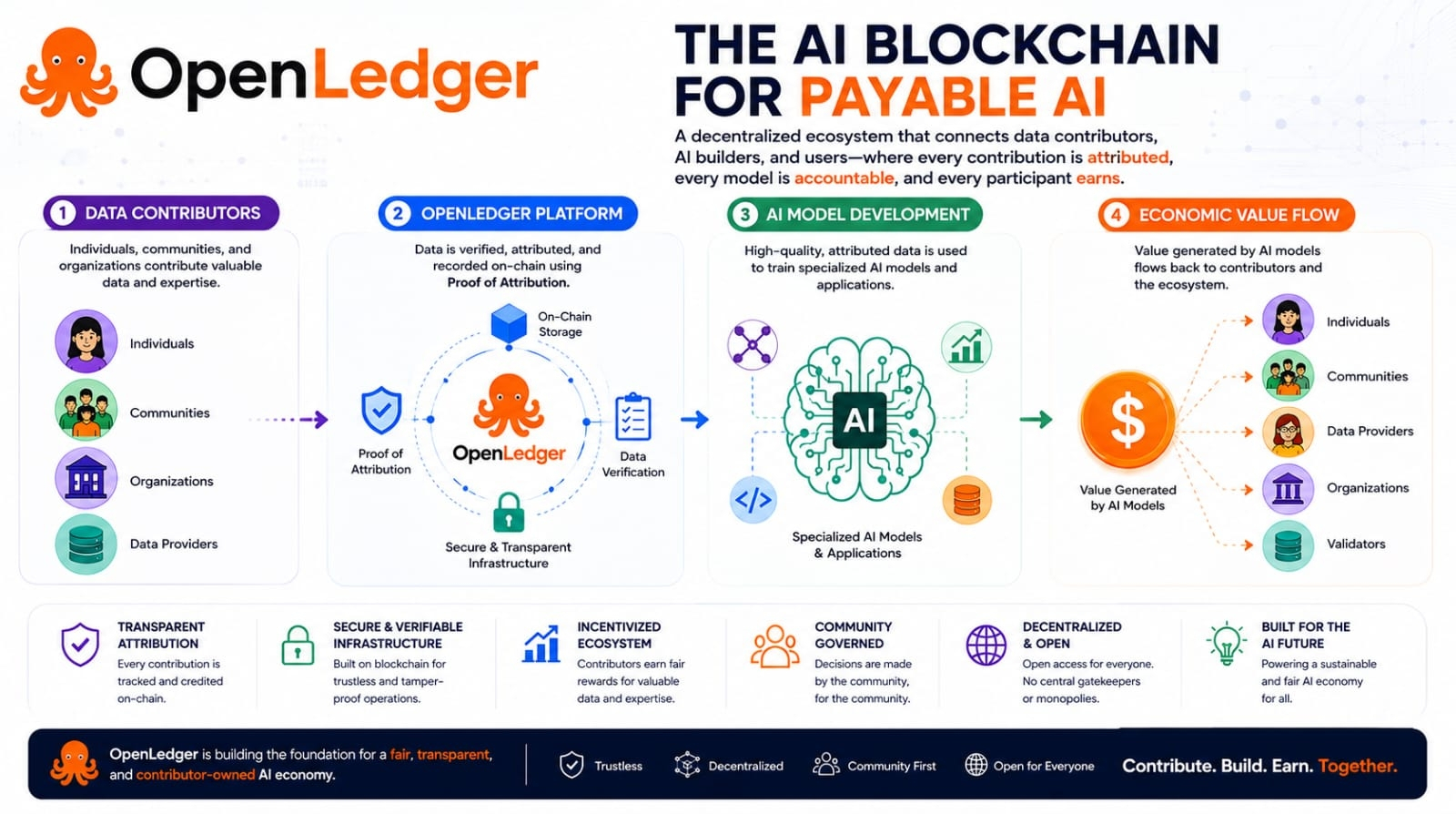
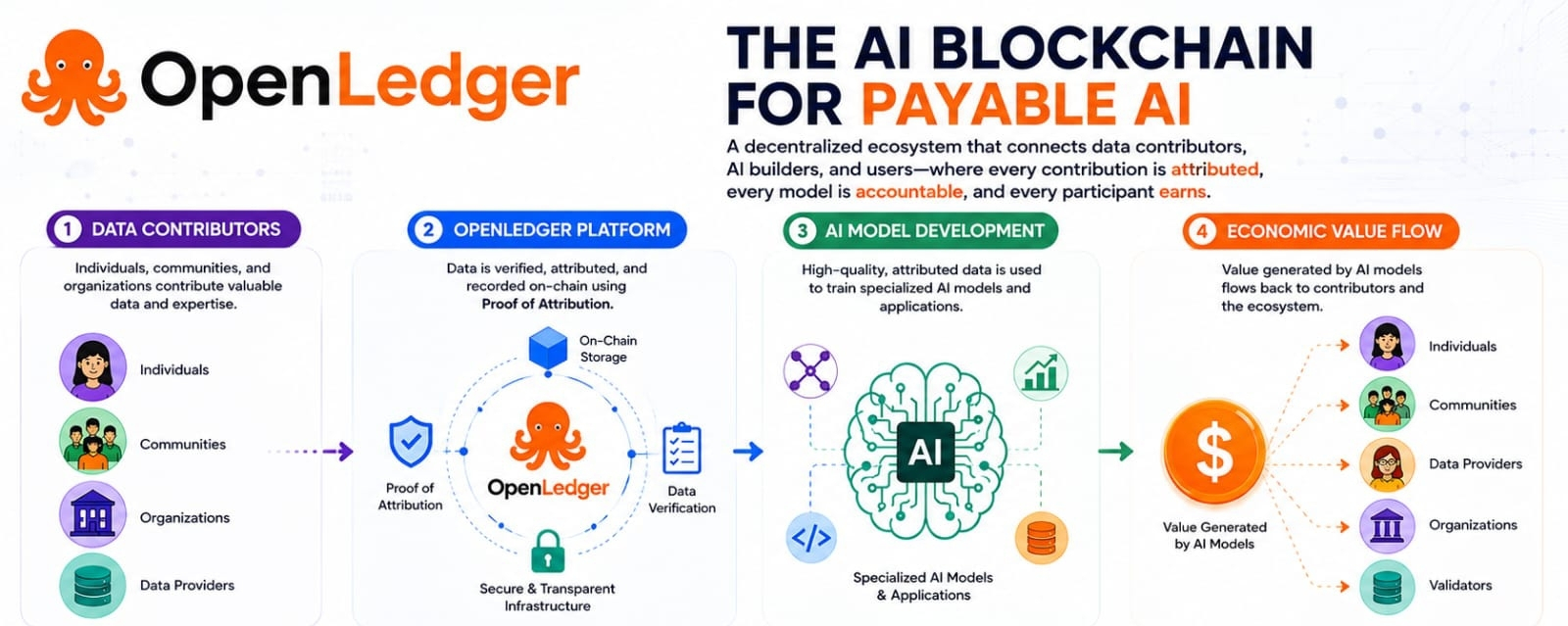
What caught my attention with OpenLedger is the attempt to make AI resources — data, models, agents — behave like assets that people can actually monetize instead of just contribute to for free. That idea makes sense. AI companies need constant input from users, developers, researchers, and communities, but most of the value still flows upward into a small number of platforms. OpenLedger seems to be trying to challenge that structure instead of simply building another tool on top of it.
But I’ve noticed something about this market. It’s very good at pricing future possibilities long before real demand shows up.
People talk about “unlocking liquidity” for data and AI models like liquidity alone creates value. It doesn’t. Most datasets are messy. Most models become outdated quickly. Most users care more about convenience than decentralization. These are the parts that usually get ignored when excitement takes over.
The same thing happens with AI agents. Online, it already sounds like autonomous agents are about to create entire digital economies by themselves. Maybe one day they will. Right now, though, a lot of it still feels experimental. Infrastructure is arriving faster than actual behavior. The vision sounds bigger than the reality on the ground.
That doesn’t mean OpenLedger is meaningless. Honestly, I think the reason projects like this keep appearing is because the core problem is real. AI is becoming more centralized every year, and people are clearly uncomfortable with how concentrated the power already looks. Blockchain naturally enters the conversation because it promises openness, ownership, and coordination without relying entirely on large companies.
Still, I keep asking the same question I ask with every ecosystem in this space: what happens when the incentives slow down?
Crypto has a habit of turning short-term participation into proof of long-term adoption. Activity looks strong while rewards are flowing, communities stay loud while prices are moving, and suddenly everything feels bigger than it really is. Then the momentum fades a little, and the real foundation becomes visible.
That’s the part I’m waiting to see with OpenLedger.
Will developers continue building because the infrastructure is actually useful? Will users stay once the narrative becomes less exciting? Can this system survive outside AI hype and market speculation? Those questions matter more than announcements or branding ever will.
I’m not dismissing the project. I’m just careful with certainty now. The overlap between AI and blockchain still feels unfinished, and OpenLedger is trying to position itself inside that uncertainty before the market fully understands what this sector even becomes.
Maybe that turns into something important. Maybe it becomes another project remembered mostly for arriving during the AI rush. Right now, I honestly think it’s too early to pretend either outcome is guaranteed.