
The more I think about the future of AI, the more I believe the biggest challenge is not intelligence itself.

It is accountability.
Today's AI systems are built on contributions from millions of people. Data providers, researchers, developers, and evaluators all play a role in making these systems possible. Yet once a model is trained, most of those contributions become invisible. The value flows to the final product while the people who helped create it often receive little recognition or reward.
That feels like a structural problem.
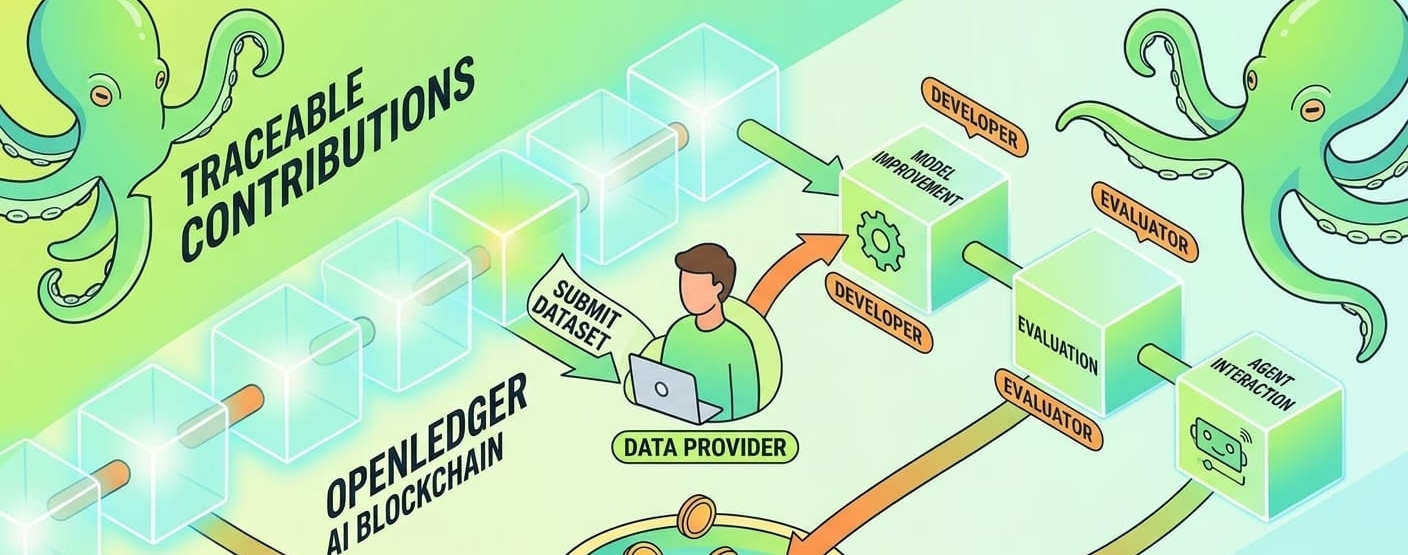
What interests me about OpenLedger is that it approaches AI from a different direction. Instead of focusing only on building more powerful models, it focuses on building infrastructure that can track, verify, and reward contributions throughout the AI lifecycle.
The idea behind the AI Blockchain is surprisingly simple: every contribution should be traceable. Data contributions, model improvements, and agent interactions are recorded on-chain, creating a transparent history of how intelligence is built.
I think this matters because the future of AI will likely be specialized rather than general. Specialized models require specialized datasets, and high-quality datasets require contributors who are motivated to participate. Attribution and incentives become essential parts of the system, not optional features.
Of course, whether OpenLedger can achieve this vision at scale remains uncertain. Many ambitious ideas look easier in theory than in practice.
But I believe they are asking one of the most important questions in AI today:
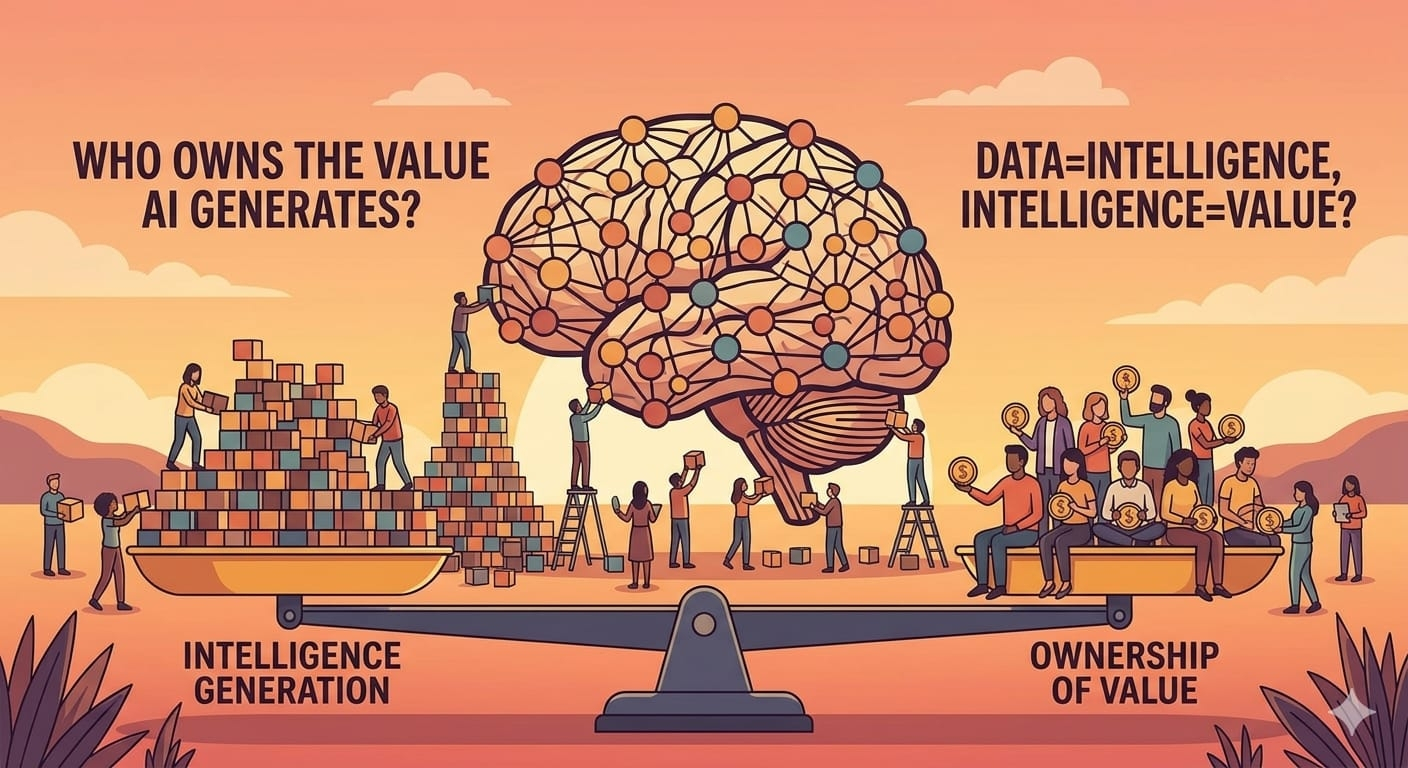
If data creates intelligence, who should own the value that intelligence generates?
The answer could shape the next generation of the AI economy.
