
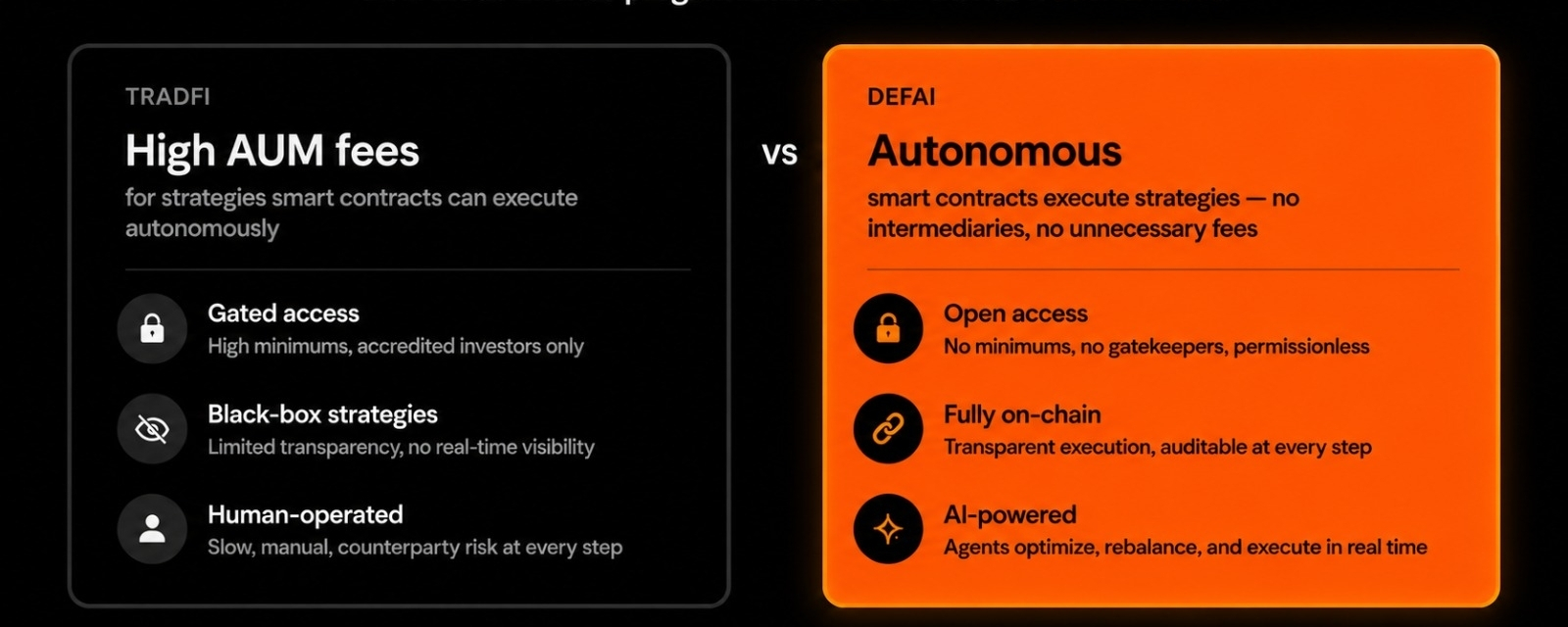

I was grabbing a coffee with a core contributor last week and we got into a pretty long debate about what it actually takes to make autonomous AI agents work at scale. Everyone online is obsessing over making models smarter but he said something that completely stuck with me "Intelligence is the easy part. Memory, coordination and trustless infrastructure, that’s the hard part." It made me step back and look at how we are building the actual foundations for these machines.
If you have 10000 independent agents running around doing tasks, making payments and updating their knowledge, a standard blockchain will just melt under the pressure. It is a massive data nightmare.

That is why the way @OpenLedger sets up its architecture actually makes sense from a practical engineering view. They do not try to force everything onto Ethereum mainnet. Instead, they use a modular stack combining the OP Stack with EigenDA. Think of it like moving heavy freight traffic off crowded city streets and onto a dedicated express highway. The OP Stack handles the rapid-fire transaction execution, while EigenDA acts as a hyper-cheap storage vault specifically for data availability. When an AI agent processes a massive dataset, the network does not choke because the proof of that data is handled off-chain but verified securely. It solves the exact main problem that killed earlier Web3 AI attempts the sheer cost of moving data.
But scaling the data is completely useless if you cannot trust the entities handling it. This brings up the weird problem of machine accountability. If a human accountant steals your money, you can take them to court. But if an AI agent on a decentralized network makes a mistake or drains a wallet, it’s not clear.
who is responsible?
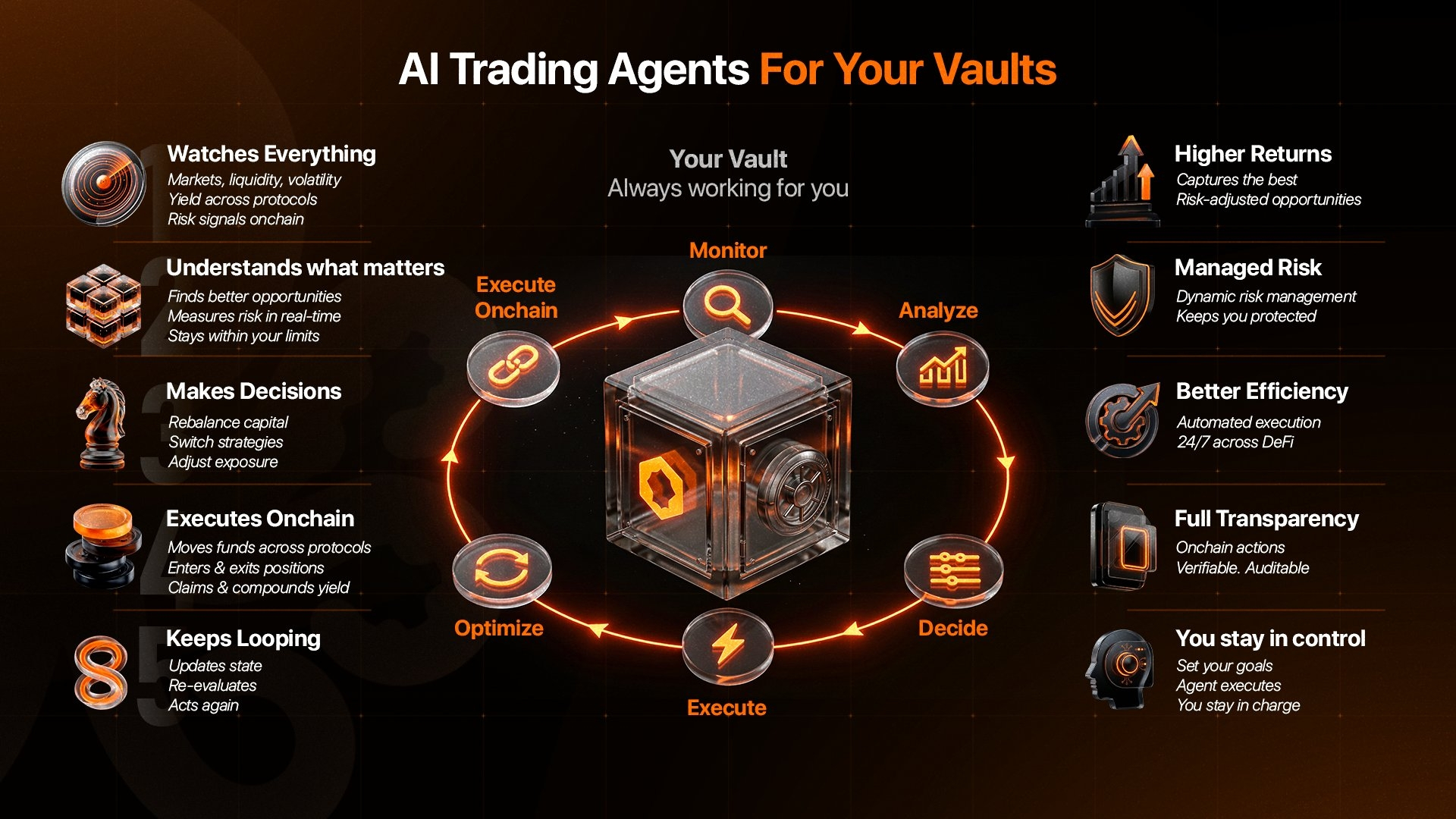
@OpenLedger handles this by requiring staking for AI agents. To operate on the network, an agent or the operator hosting it must lock up a specific amount of $OPEN tokens as collateral. It is pure skin in the game. If the agent does its job correctly, it earns rewards. If it acts maliciously or false data, its staked tokens get slashed and wiped out. Then we don’t need to trust a machine’s ethics we just depend on its financial self-interest.
To keep these agents actually useful, the system needs constant brain updates, which is where the fine-tuning incentives come in. Right now, big tech companies keep the best models behind locked doors. #OpenLedger opens this up by directly rewarding independent developers who contribute high-quality fine-tuned models or clean datasets to the network. If your specific optimization makes the collective network smarter, you get paid in OPEN tokens. The utility of the token becomes incredibly clear here it is the capital agents must stake to work, the currency used to reward developers, and the fuel that pays for the underlying modular blockspace. It is a closed economic loop tied to actual utility, not market speculation.
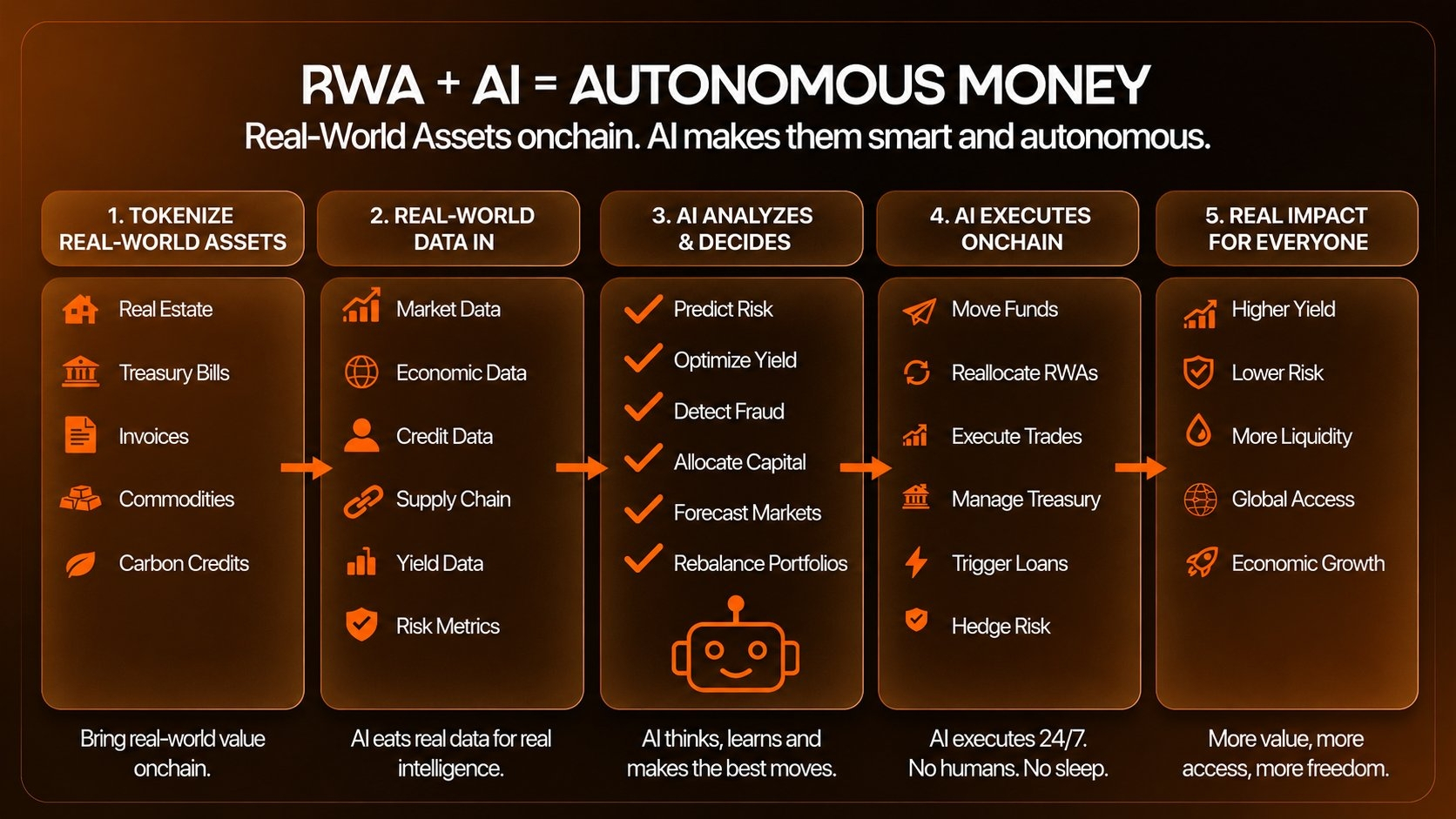
We have to be realistic about any risk though. This is an incredibly complex web of moving parts. Combining a layer 2 rollup with an external data availability layer introduces minor synchronization risks. If EigenDA experiences even a temporary lag, or if a bug in the smart contract slashes an agent due to a simple network drop rather than actual malice, the system could face massive operational chaos. We are essentially building a living digital ecosystem out of raw code and market economics. The blueprint looks solid, but the execution will be brutal.
I am curious, do you think economic penalties like staking are enough to keep autonomous machines in check, or are we underestimating the chaos of decentralized AI?
This post is only Educational purposes not any financial advice do you have own research and responsibilitie.