
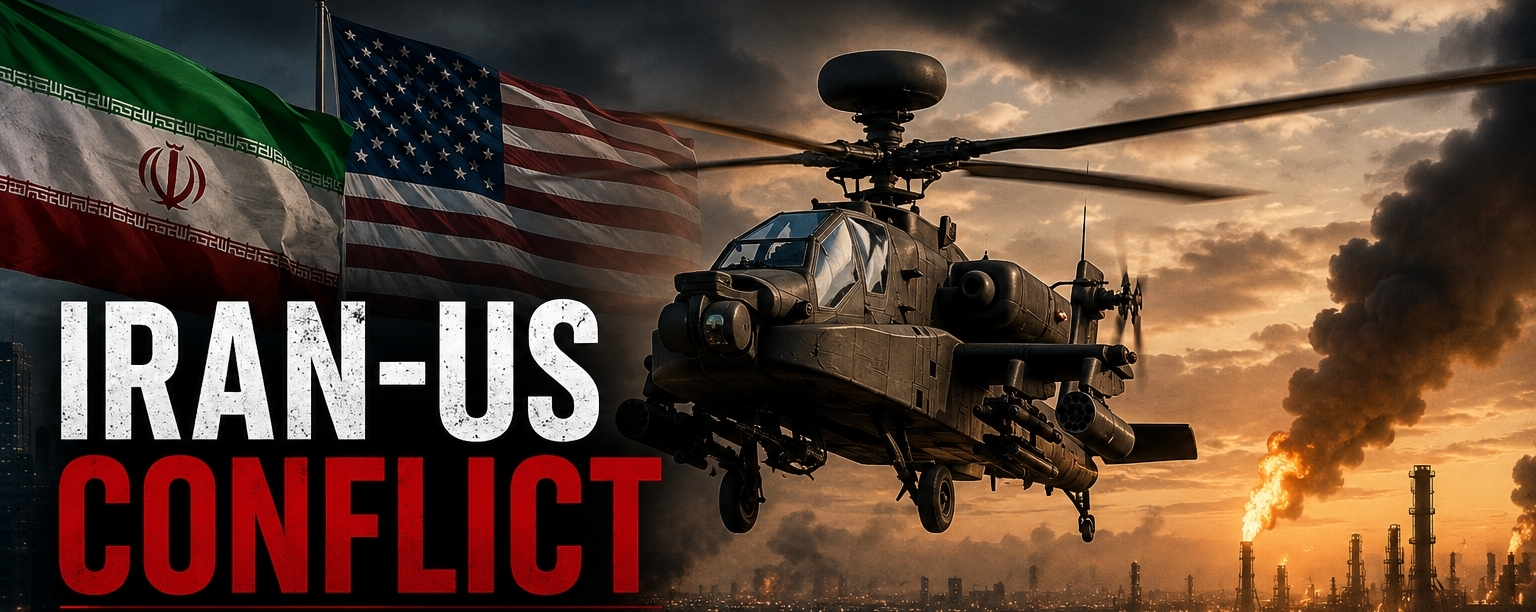
$🌍 Iran-US Conflict: How It Could Shake Global Stock Markets
Financial markets dislike one thing more than bad news: uncertainty.
As tensions between Iran and the United States continue to escalate, investors around the world are closely watching every headline. History has shown that geopolitical conflicts in the Middle East can send shockwaves through stock exchanges, commodities, currencies, and cryptocurrencies.
📉 Why Are Stock Markets Reacting?
The biggest concern is oil.
Iran sits near the Strait of Hormuz, one of the world's most important oil shipping routes. Any threat to energy supplies can push crude oil prices sharply higher. Recent reports show oil prices rising as markets fear further disruptions to supply routes and regional production.
When oil becomes more expensive:
• Transportation costs rise
• Manufacturing becomes more expensive
• Inflation increases
• Consumer spending slows down
This creates pressure on companies and often leads investors to reduce exposure to riskier assets.
📊 Which Sectors Could Be Hit Hardest?
🔴 Negative Impact
- Airlines
- Technology stocks
- Consumer discretionary companies
- Manufacturing firms dependent on energy
Higher fuel and operating costs can reduce profits, making these sectors vulnerable during periods of geopolitical stress.
🟢 Potential Winners
- Energy companies
- Oil producers
- Defense stocks
- Some commodity-related businesses
Rising oil prices often boost revenues for energy firms, making them one of the few bright spots during market turmoil.
💰 What About Safe-Haven Assets?
During periods of uncertainty, investors often move money into:
- Gold
- U.S. Dollar
- Government bonds
These assets are traditionally viewed as safer places to park capital when volatility increases. Recent market movements have shown investors seeking protection from geopolitical risks.
₿ Impact on Crypto Markets
Bitcoin's reaction can be mixed.
In the short term, fear may trigger selling across risk assets, including crypto. However, some investors increasingly view Bitcoin as a hedge against geopolitical instability and currency debasement.
The result? Expect higher volatility and larger price swings as traders react to breaking developments.
🎯 Bottom Line
The Iran-US conflict is no longer just a geopolitical story. It is a market-moving event that affects oil prices, inflation expectations, stock valuations, and investor sentiment worldwide.
If tensions continue to rise:
📈 Oil could climb further
📉 Global stock markets could remain under pressure
⚡ Crypto volatility could increase significantly
For investors, the key is to stay informed, manage risk carefully, and avoid making emotional decisions based on headlines alone.
In uncertain times, patience often becomes the most valuable asset.