Trust is such a delicate thing. In life, we give it carefully, sometimes painfully, because we know what it feels like to lose it. In the digital world, trust is even more fragile. Behind every transaction, every contract, every promise made on blockchain, there is hope that the system will be fair. But blockchains, for all their brilliance, cannot see reality on their own. They cannot feel the world changing. They cannot know what is true unless something brings that truth to them safely.
That is where APRO quietly steps in, almost like a guardian standing between chaos and clarity.
APRO is a decentralized oracle network, but reducing it to that technical label would be unfair. What it truly represents is reassurance. It gathers information from the world outside the blockchain and delivers it where it needs to be, with care, accuracy, and intelligence. Not recklessly. Not blindly. But thoughtfully, as if it understands that real people depend on the information it carries.
There is something deeply human about the way APRO treats data. It does not simply drag information into smart contracts. It questions it. It evaluates it. It cross-checks it. It uses layers of protection and artificial intelligence to make sure that when truth finally touches the blockchain, it deserves to be there. That single act transforms APRO from a tool into a protector. Because a wrong number in decentralized finance can destroy livelihoods. A manipulated record in real-world assets can erase trust. An unchecked fact in a smart contract can break confidence that took years to build.
APRO understands that not all information is the same. Sometimes data needs to flow constantly like a heartbeat, keeping systems alive in real time. Sometimes, it is needed only in specific moments, carefully and intentionally. APRO adapts. It supports both continuous updates and on-demand retrieval, not because it is simply technically capable, but because different projects breathe differently and deserve flexibility instead of force.
What makes APRO even more meaningful is its ability to handle more than numbers. It embraces real-world assets, institutional data, gaming statistics, financial reserves, documents, records, and truths that actually impact human lives. It does not just move them. It verifies them, with intelligence and responsibility. That responsibility is everything. It is the difference between technology that exists and technology that cares.
Behind APRO, there are people who believed the blockchain world deserved something better. People who watched systems fail because of unreliable oracles and decided failure should not be acceptable anymore. People who refused to accept the idea that truth in Web3 had to be uncertain. Their work gives APRO a soul. It turns it from a project into a promise.
Most users will never see APRO directly. They will not wake up thinking about oracle networks. They will simply feel safer without even knowing why. A trader trusting price data. A developer building confidently. A newcomer interacting with blockchain without fear. Somewhere in the background, APRO is there, steady, reliable, asking the right questions so that everyone else can breathe a little easier.
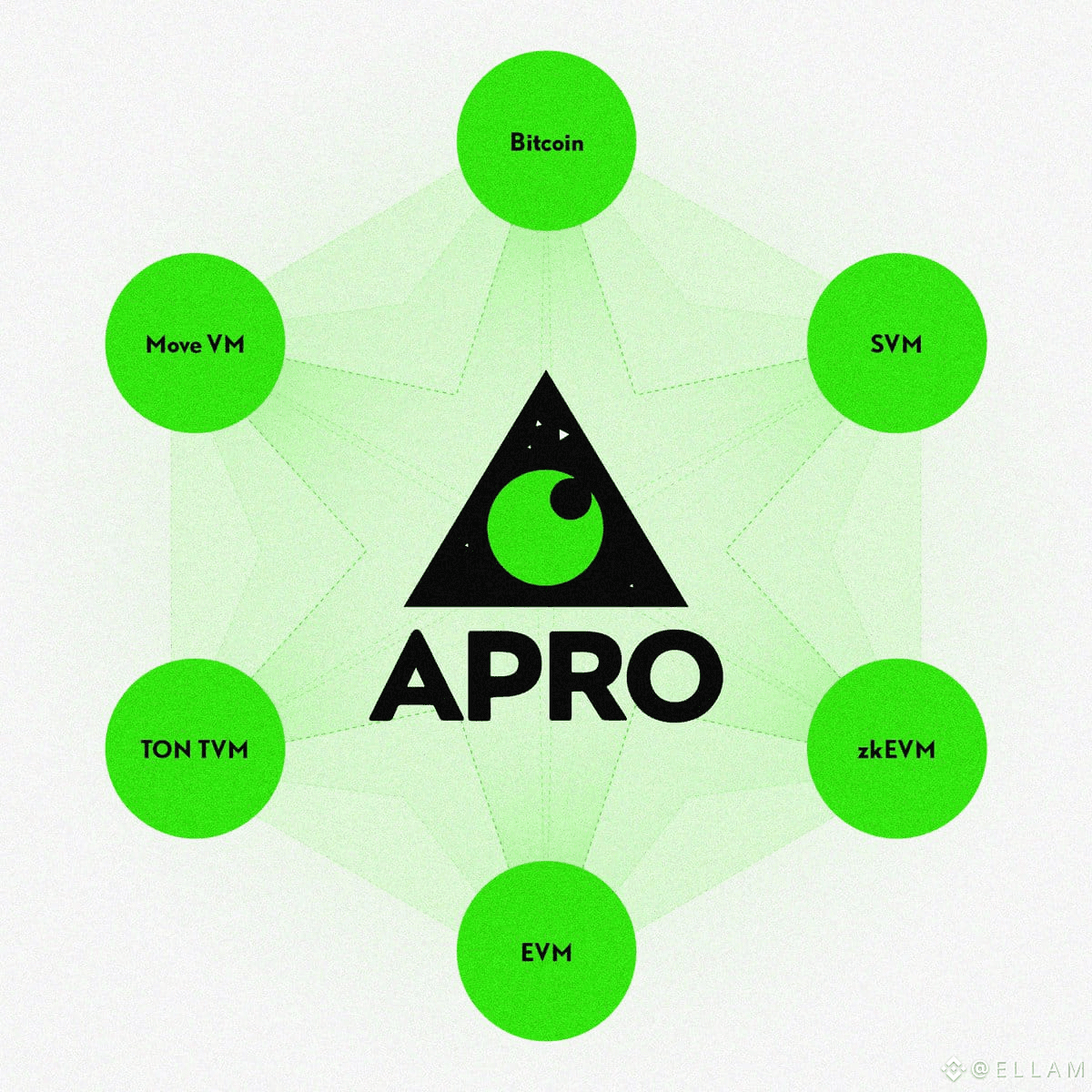
In a world racing toward automation and digitization, APRO feels like technology that remembers humanity. It remembers that mistakes hurt real people. It remembers that truth has weight. It remembers that trust should never be taken lightly. And maybe that is what makes it powerful. Not just the systems, the AI, the multi-layered architecture, or the expanding support across chains. But the quiet moral backbone behind it.
Blockchain has always promised a world where fairness does not depend on institutions or authority. That future only works if honesty remains unbreakable. APRO’s mission is to protect that honesty. To make truth strong. To make data dependable. To keep the spirit of trust alive as technology evolves.
And in that role, APRO becomes more than infrastructure. It becomes a heartbeat of reliability. A calm voice in a loud technological world. A reminder that even in systems built entirely from code, there is still room for care, responsibility, and deeply human intention.