
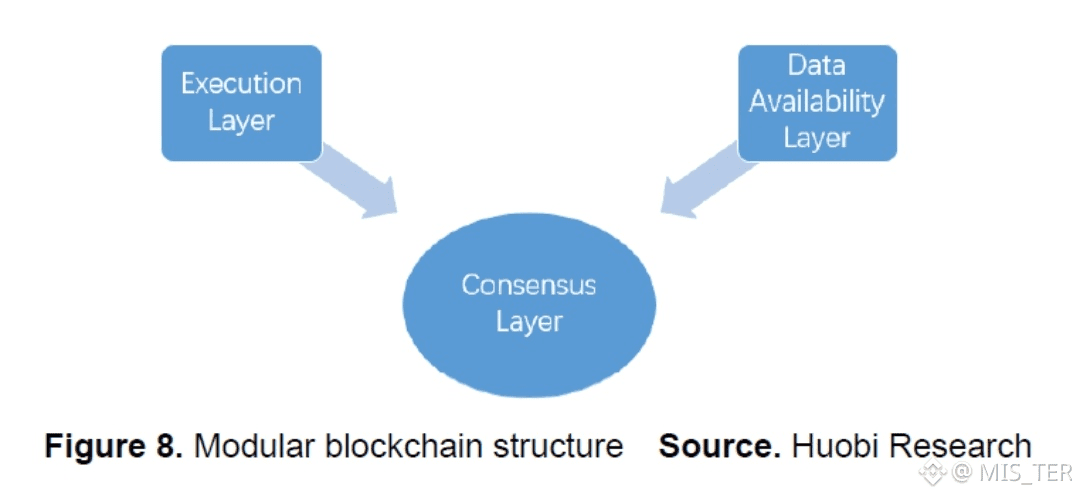
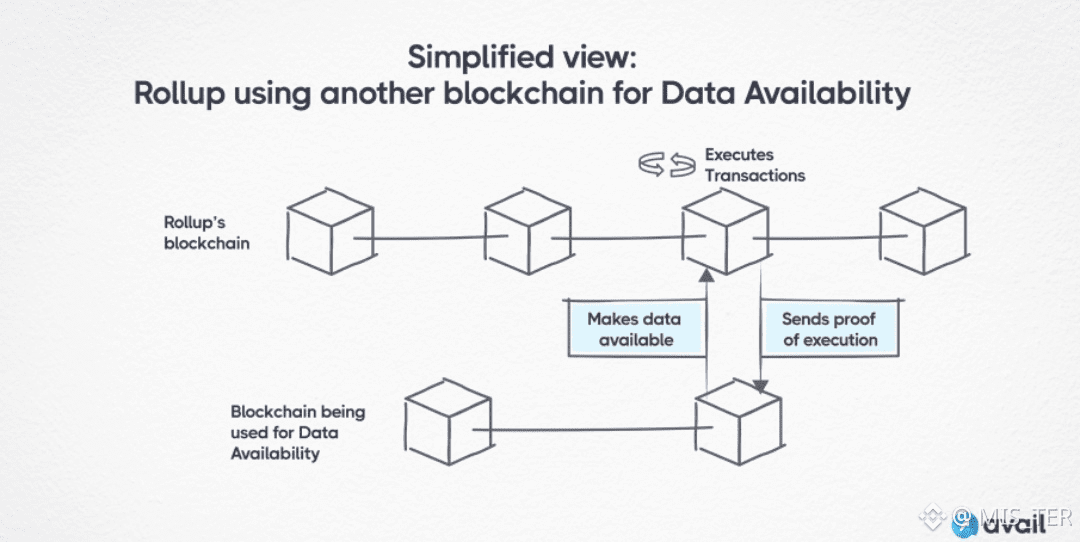
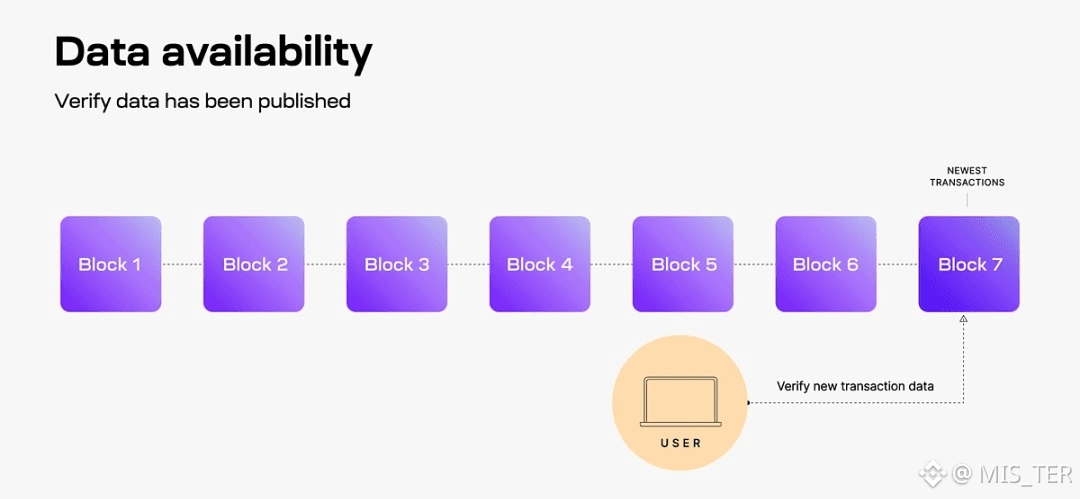
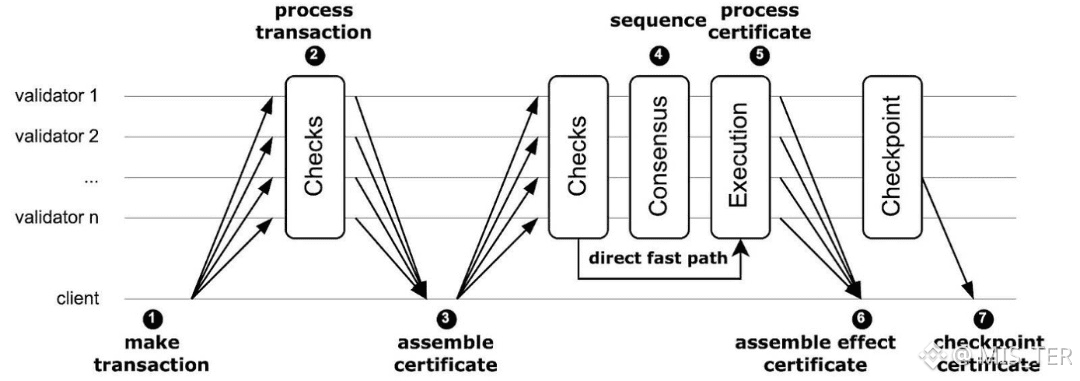
Blockchain technology is no longer just about sending money. Today, blockchains are used for digital art, games, social apps, artificial intelligence, and many other things that require large amounts of data. This is where a major problem appears: blockchains are very good at processing transactions, but very bad at storing data.
This is exactly why Walrus matters.
The Simple Problem Blockchains Face
Think of a blockchain like a very secure notebook that many people share. Every line written in that notebook costs money and space. Because of this, blockchains keep their notebooks very small and only store the most important information.
However, modern applications need to store things like:
Images and videos (NFTs)
Game items and game worlds
Social media posts
AI training data
Storing these directly on a blockchain is too expensive and inefficient. So most projects store data somewhere else, like traditional servers, which breaks the idea of decentralization and trust.
What Walrus Does Differently
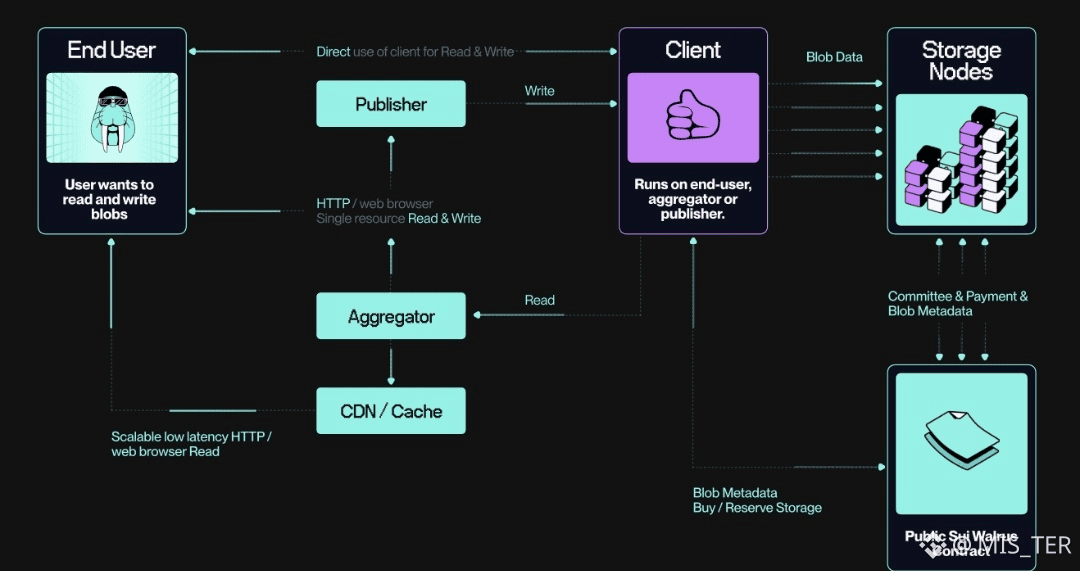
Walrus is a system designed to store large amounts of data in a decentralized way, while still being directly connected to the blockchain. Instead of forcing all data onto the blockchain, Walrus creates a special storage layer that works alongside it.
This storage layer:
Is decentralized (no single company controls it)
Keeps data available for a long time
Allows anyone to verify that the data is real and unchanged
In simple terms, Walrus acts like a shared, secure digital warehouse that blockchains can safely rely on
Why Walrus Is Built for the Future
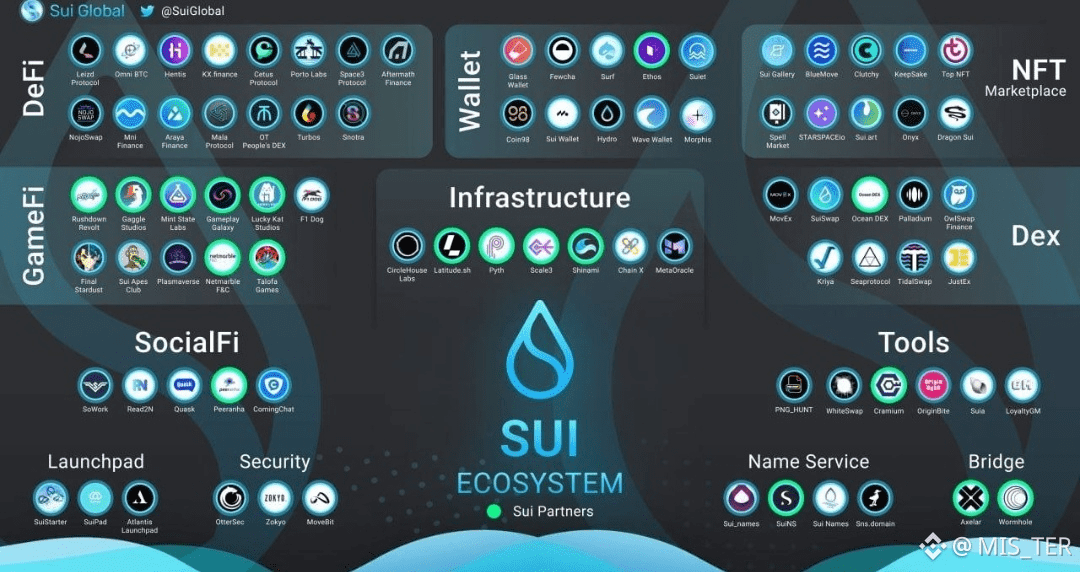
Walrus is closely connected to Sui, a modern blockchain designed for speed and scalability. Sui treats data as “objects,” and Walrus fits naturally into this model.
This means applications can:
Own data
Transfer data
Update data
Control who can access data
For developers, this feels much more natural than stitching together many separate tools. For users, it means better performance and stronger guarantees that their data will not disappear.
How Walrus Keeps Data Safe Without Wasting Space
Instead of copying data over and over again, Walrus breaks data into pieces and spreads them across many computers. Only some of these pieces are needed to recover the full data.
This approach:
Saves storage space
Reduces costs
Keeps data available even if some computers go offline
It is similar to tearing a document into several pieces and giving them to different people. Even if a few pieces are lost, the document can still be rebuilt.
Why the Walrus Token Is Important
The Walrus token is what keeps the system honest and running smoothly. People who store data earn tokens for doing their job properly. If they fail to keep data available, they can lose tokens.
This creates a simple and fair system:
Users pay tokens to store data
Storage providers earn tokens by keeping data safe
The network stays reliable because everyone has something at stake
The token is not just for trading—it directly supports real usage and real demand.
Real-World Uses That Walrus Enables
Walrus makes many Web3 ideas practical, such as:
NFTs where images and videos are truly decentralized
Games where items and worlds belong to players, not companies
AI systems where training data can be verified and trusted
Social platforms where posts cannot be secretly altered or deleted
All of these require reliable data storage, which traditional blockchains alone cannot provide.
Why Walrus Truly Matters
Without a solution like Walrus, blockchains are forced to depend on centralized services for data. This weakens security, trust, and decentralization. Walrus fixes this by making data a core part of the blockchain ecosystem, not an afterthought.
In simple words:
Blockchains handle actions
Walrus handles memory
Together, they allow decentralized applications to grow without losing their core values.
Final Thought
Walrus matters because it solves one of the biggest hidden problems in blockchain technology: where data lives and who controls it. By making data decentralized, reliable, and economically supported by its token, Walrus becomes essential infrastructure for the next generation of blockchain applications.
As blockchains continue to evolve, systems like Walrus will not be optional—they will be necessary.


