
I picked the Walrus protocol, WAL token, and the CreatorPad task around Fault-Resilient Encoding right after their recent update about handling node failures more gracefully. That update quietly changed my expectation. I thought the task would feel technical and cold, but I was curious if the experience would actually feel calmer.
I chose this task because storage reliability always feels abstract until something breaks. Still, I hesitated when I saw the word “fault-resilient.” It sounded like something I would only half understand.
I opened the task anyway, slightly unsure if I was wasting my late-night energy.
Have you ever started a task just to see if it would prove you wrong?
What I Actually Did
I landed on a simple dashboard with the task title and a short description. The first thing that caught my eye was the “Start Encoding” button. It felt heavier than it should, like pressing it meant I had to know more than I actually did.
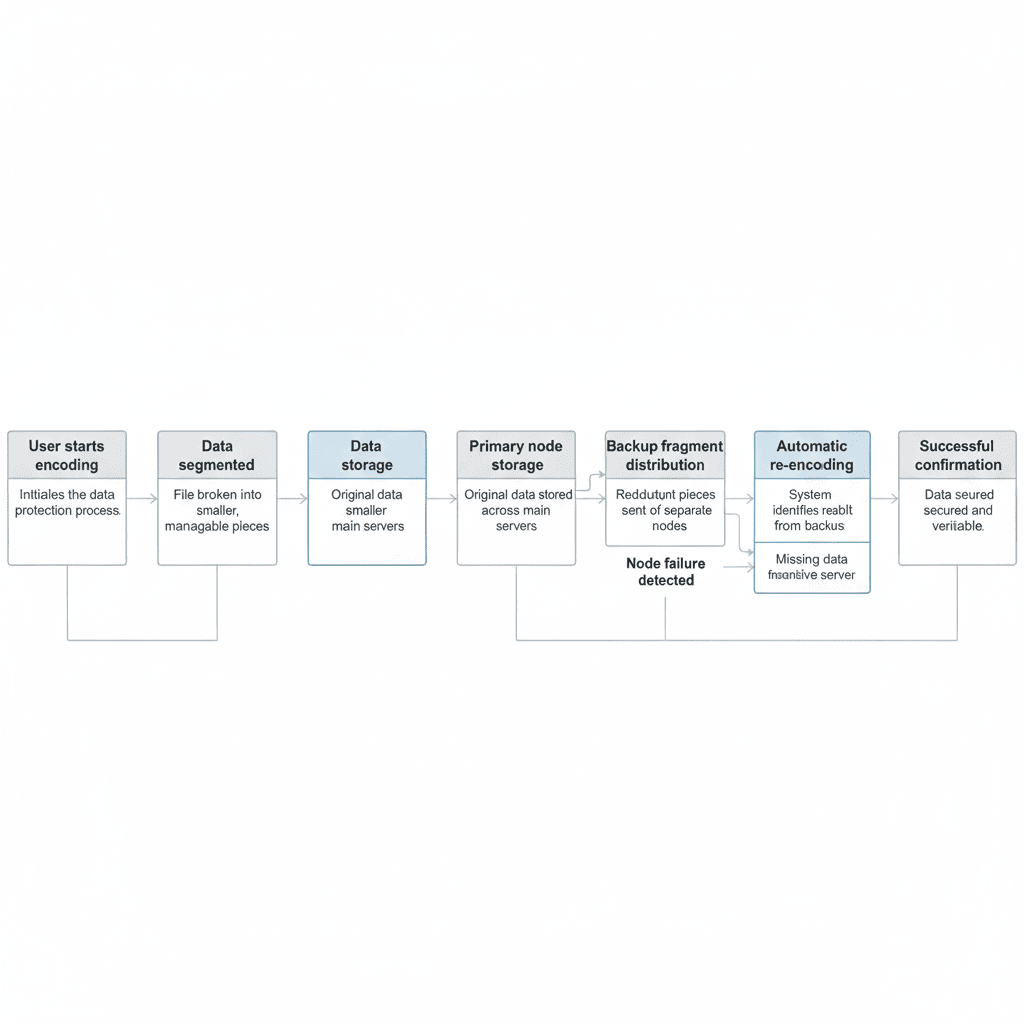
After connecting my wallet, the screen shifted to a progress-style layout. A small status line mentioned nodes and redundancy. I didn’t fully understand it, but I understood the intention.
There was a short loading delay. Not long, but long enough to make me stare at the spinner and wonder if I already broke something.
When the encoding started, the screen didn’t celebrate. It just calmly moved forward. That calmness was unexpected.
I noticed labels like “Primary segment” and “Backup fragments.” I didn’t click anything extra. I just watched.
Did anyone else feel like watching was more important than interacting here?
One Thing That Worked Better Than Expected
The confirmation pop-up at the end surprised me. It didn’t scream success. It simply said the process completed, with a quiet green check.
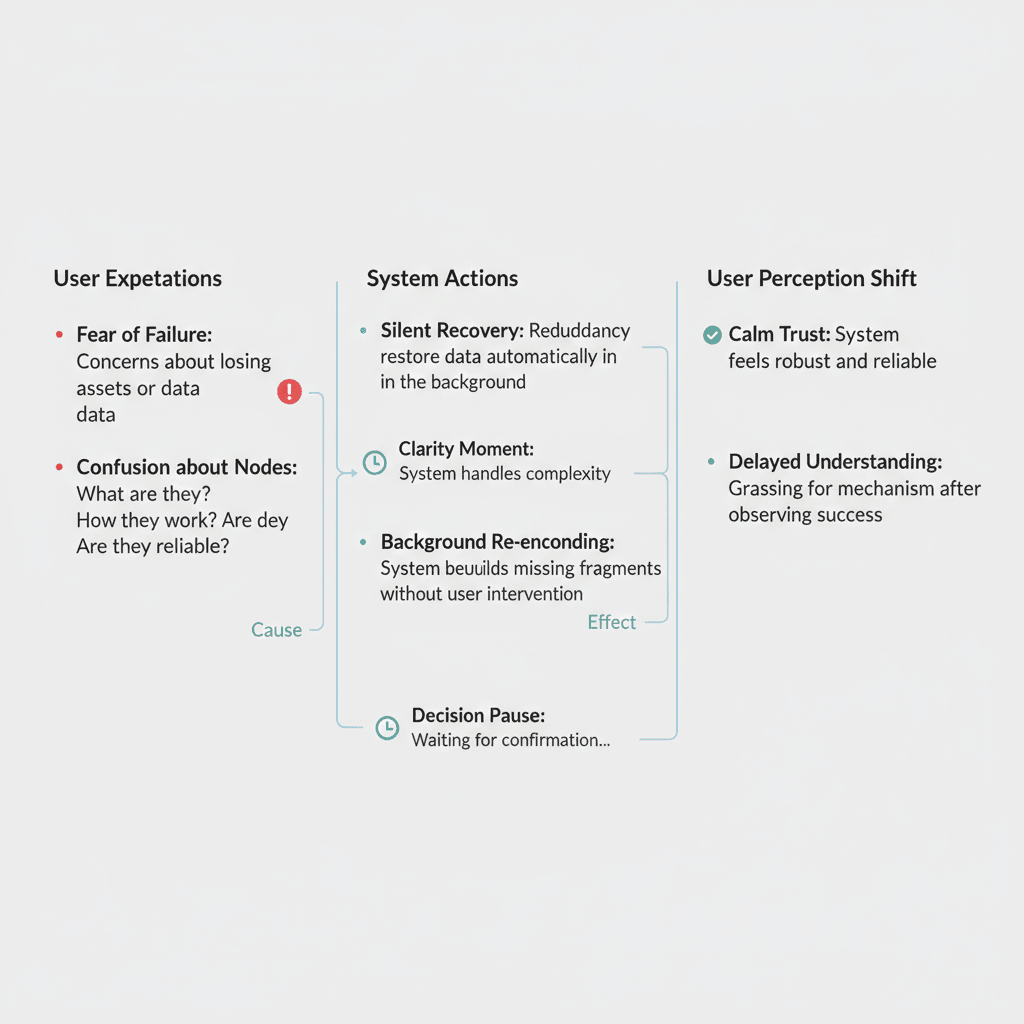
What worked for me was not the message itself, but the feeling that the system wasn’t nervous. Even when it referenced node issues in the background, it didn’t feel fragile.
It reminded me of standing in a long bank queue where the system goes offline, but no one panics because there is a backup register.
That comparison stuck with me.
Where I Got Stuck
I got confused when I saw a small line mentioning “re-encoding due to node response.” I thought something went wrong.
I hovered around looking for an error message, but there was none. Just a brief status change and then it moved on.
That moment felt like being in an elevator that shakes slightly but keeps going.
I think others might pause there too.
Did you also assume something failed at that point?
My Wrong Assumption
I assumed fault-resilient meant slower.
In my mind, more safety meant more waiting. But the process didn’t feel longer. It felt smoother, just more quiet.
Later I realized my mistake. I was measuring resilience by time instead of by behavior.
I corrected that by re-reading the task description after finishing. It made more sense only after experiencing it.
That felt a little embarrassing, but also honest.
How This Changed My View
Before this, I thought Walrus was just another storage protocol trying to sound reliable.
Now, I see their direction differently. The focus feels more on calm continuity than on speed or hype.
The WAL token also felt less like a badge and more like a system piece. Not exciting, but necessary.
CreatorPad’s task design here felt intentional. It didn’t try to teach me. It let me notice.
It made me think that sometimes tasks should show, not explain.
Who This Is Actually For
This task is for people who like quiet systems.
If you enjoy seeing things hold together under small pressure, you will enjoy this.
If you want instant feedback, flashy animations, or clear rewards, you might feel bored.
I think beginners may struggle slightly with the wording, but patient users will appreciate the flow.
Where do you think you would fall in that group?
One Practical Insight
My biggest lesson was that resilience is more about behavior than visibility.
The system didn’t announce the node issue loudly. It just adjusted and continued.
It felt like waiting in a restaurant where the chef changes your order in the kitchen without disturbing you.
That matters beyond CreatorPad points. It changes how I think about trust in systems.
Did you notice this quiet adjustment too?
Two Small Realizations I Didn’t Expect
First, UX can feel smooth while still hiding complexity. That is not a weakness. It is a choice.
Second, timing matters more than effort. I realized that when I refreshed too early, I confused myself more than the system ever did.
Both realizations came only after finishing, not during.
That’s rare for me.
Ending Reflection
I learned that fault-resilient encoding is not about showing strength, but about avoiding drama.
My honest feeling is mixed but respectful. I’m not excited, but I’m calmer about what Walrus is trying to build.
And now I wonder: did this task also change how you think about “reliability,” or did it just feel like another checkbox?
@Walrus 🦭/acc #Walrus $WAL

