
In crypto, most projects are built around cycles. They rise fast when attention is high and fade just as quickly when the narrative moves on. Financial infrastructure does not work that way. Real finance moves slowly, values reliability over speed, and rewards systems that can survive years of scrutiny, regulation, and real world usage. This is where Dusk stands apart.
Dusk was never designed to win a short term popularity contest. It was designed to exist when the noise settles. Its architecture, priorities, and ecosystem choices all point toward one thing, long term financial relevance.
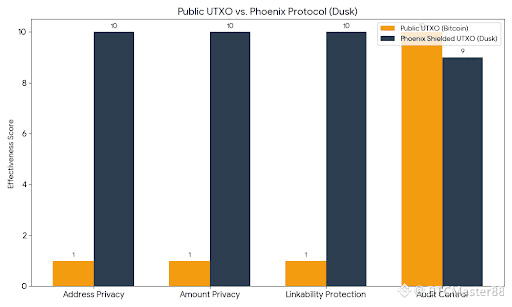
At its core, Dusk is focused on regulated financial activity. That single decision shapes everything else. Instead of optimizing for anonymous speculation or temporary hype, Dusk is built for institutions, compliant assets, and real world financial products that must operate within legal frameworks. This is not the fastest path to attention, but it is the most durable path to adoption.
Traditional finance does not reject blockchain because of technology. It rejects uncertainty. Privacy without compliance is unusable. Transparency without confidentiality is dangerous. Dusk addresses this tension directly by enabling privacy preserving transactions that still allow selective disclosure when required. This balance is critical for assets like equities, bonds, funds, and other regulated instruments.
Many blockchains treat compliance as an afterthought. Dusk treats it as a foundation. That alone makes it structurally different from chains chasing general purpose narratives.
Another reason Dusk is built for longevity is its deliberate approach to privacy. In finance, privacy is not about hiding activity. It is about protecting sensitive information such as trade sizes, counterparties, and strategies. Institutions require confidentiality to operate efficiently. Without it, markets become distorted.
Dusk’s privacy model is designed specifically for this environment. It does not force users to choose between full transparency and total opacity. Instead, it allows privacy where it is necessary and disclosure where it is legally required. This makes it suitable for financial instruments that cannot exist on fully transparent ledgers.
Longevity also depends on execution discipline. Dusk has consistently prioritized building over marketing. While other projects announce roadmaps filled with buzzwords, Dusk focuses on shipping components that actually matter. Its work on DuskEVM and zero knowledge infrastructure reflects a long term commitment to compatibility and developer accessibility.
EVM compatibility is not a trend. It is a survival strategy. Financial developers want familiar tools, predictable environments, and low migration costs. By aligning with the EVM while enhancing it with privacy capabilities, Dusk reduces friction for adoption. This allows existing financial logic to move onchain without forcing teams to relearn everything from scratch.
Financial systems also demand stability. Frequent protocol changes, breaking upgrades, and experimental governance models are liabilities in regulated environments. Dusk’s measured pace and conservative design philosophy reduce these risks. This may not be exciting in the short term, but it is exactly what financial institutions look for.
Another overlooked aspect of Dusk’s longevity is its ecosystem alignment. Instead of chasing random integrations, Dusk focuses on partners that operate in or near real financial markets. These relationships take time to build, but they create stronger foundations. When infrastructure aligns with real businesses instead of speculative applications, usage becomes more predictable and durable.
Token economics also matter for longevity. Many networks design tokens primarily as speculative assets. Dusk’s token is integrated into the network’s security and operation. It is not just a symbol of price movement. It is part of how the system functions. This creates a closer link between network usage and token value over time.
Long term finance is also about trust. Trust is not built through promises. It is built through consistency. Dusk has maintained a clear narrative for years without constantly reinventing itself. Its focus on regulated finance, privacy, and compliance has remained intact even when other narratives dominated the market.
This consistency sends a powerful signal. It tells institutions and developers that the project is not going to pivot every time sentiment shifts. It tells users that the rules of the system will not change unpredictably. In finance, this kind of reliability is more valuable than rapid experimentation.
Dusk also benefits from timing. Regulatory clarity is increasing globally. Tokenized securities, onchain funds, and compliant financial products are moving from theory to implementation. Infrastructure that was built early for these use cases now has an advantage. Dusk is not rushing to adapt. It is already positioned.
While many chains are now trying to retrofit compliance and privacy into existing systems, Dusk was designed with these constraints from the beginning. This reduces technical debt and governance friction as adoption grows.
Financial longevity is not about being the loudest. It is about being necessary. Dusk is building infrastructure that financial markets can actually use, not just talk about. As crypto matures, utility replaces speculation, and regulation replaces ambiguity. In that environment, projects built for longevity will quietly take their place.
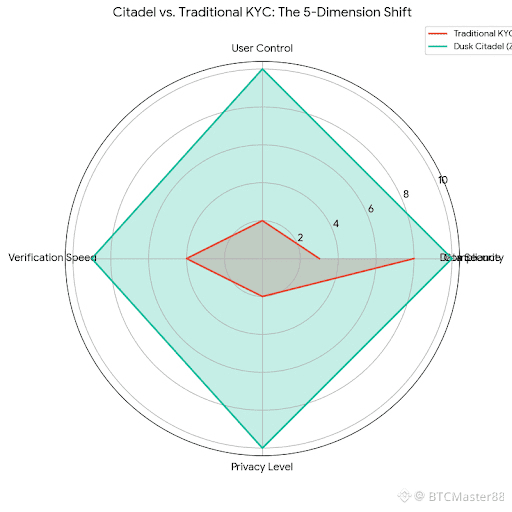
Dusk does not promise overnight success. It promises durability. And in finance, durability matters more than excitement.
The projects that survive the next decade will not be the ones that trended the hardest. They will be the ones that aligned with how finance truly works. Dusk understands this. That understanding is why it continues to build, quietly and deliberately, for the long term.
