
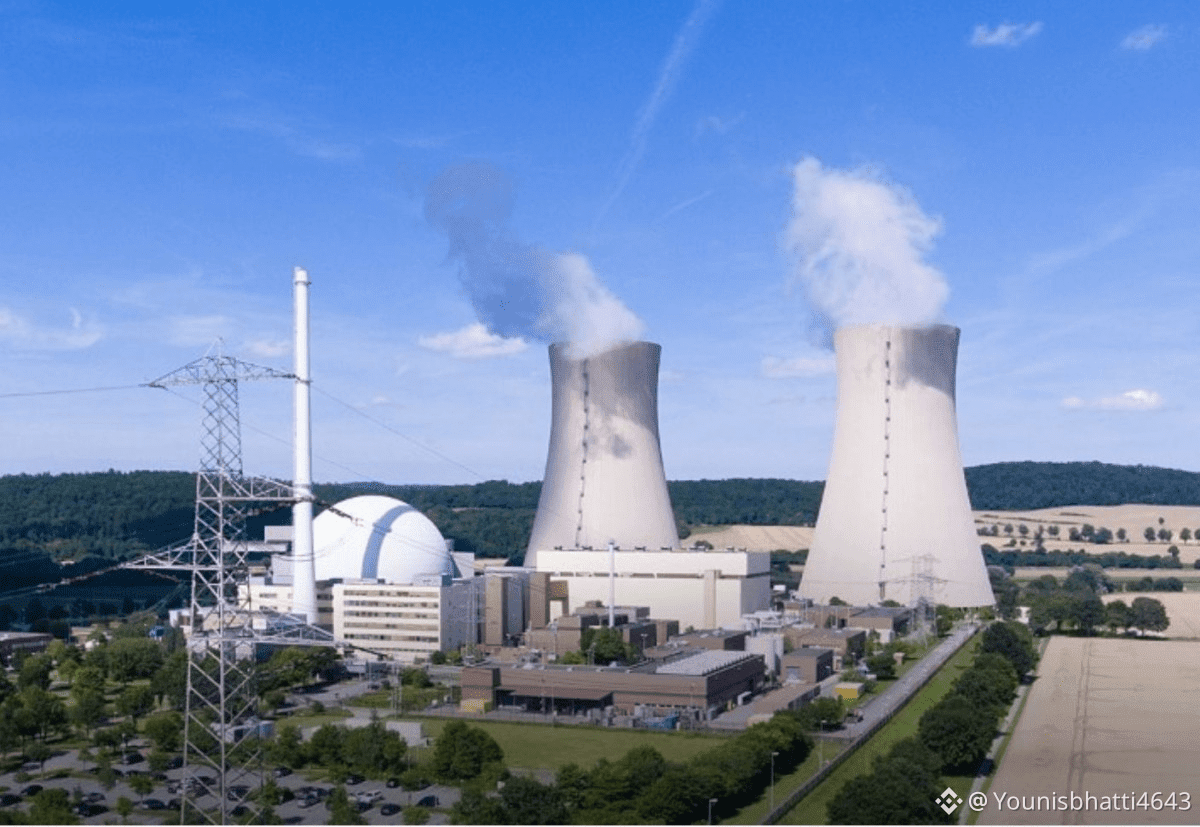
Germany’s energy transition is facing a harsh reality check. After aggressively shutting down its nuclear power plants, the country is now increasingly relying on natural gas to fill the gap — a move that openly contradicts its long-term sustainability goals.
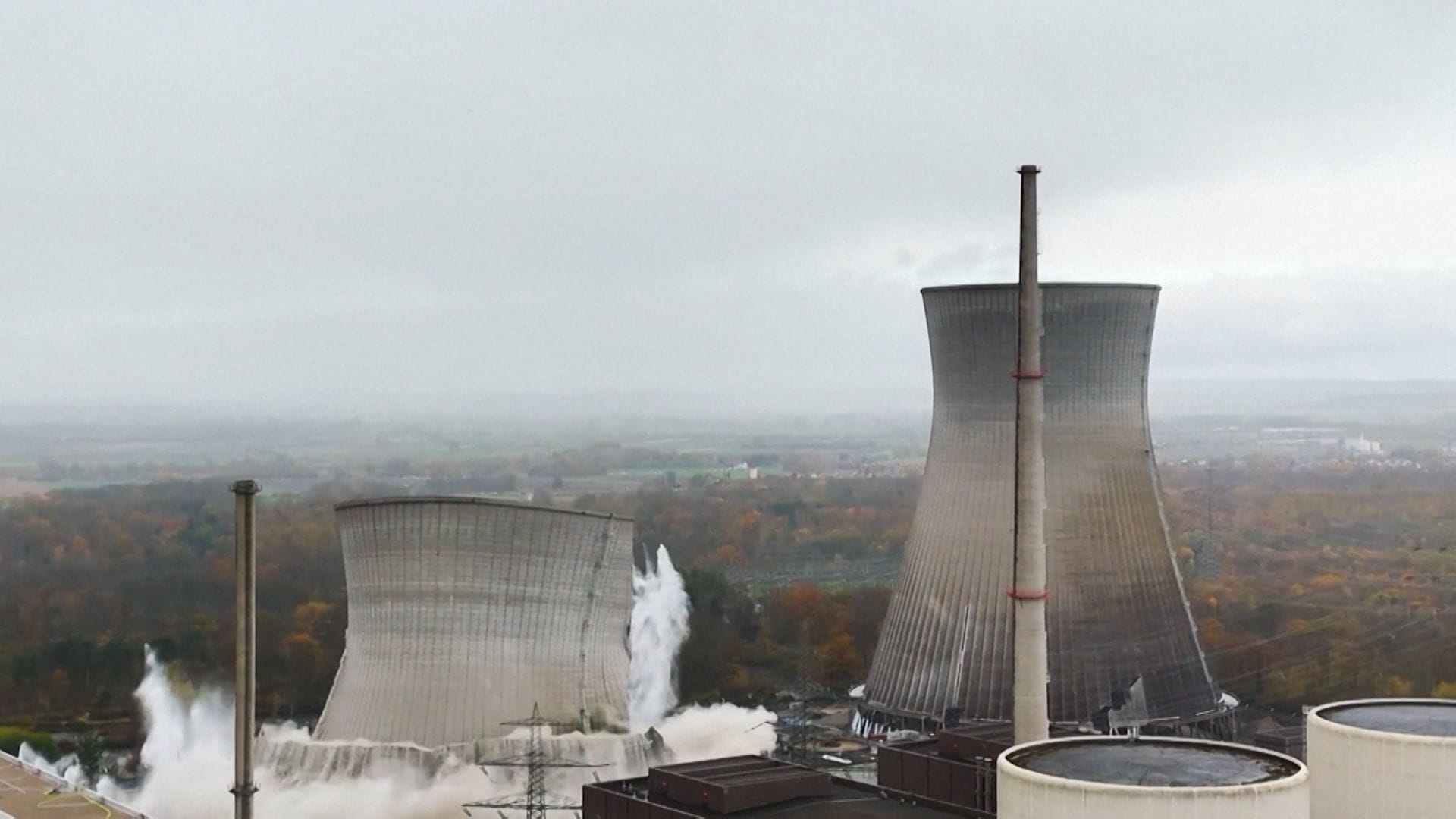
This shift highlights a fundamental flaw in Germany’s current energy model.
Nuclear energy, despite political opposition, provided stable, low-carbon, baseload power. By removing it without a fully scalable alternative in place, Germany has been left with limited options. Renewable sources like wind and solar, while essential, remain intermittent and weather-dependent, making them unable to consistently meet industrial-scale demand on their own.
As a result, gas has become the fallback solution.
The problem? Natural gas is neither cheap nor truly sustainable. It exposes the economy to volatile global prices, geopolitical risks, and rising emissions — all while being marketed as a “temporary bridge.” In practice, that bridge is getting longer and more expensive.
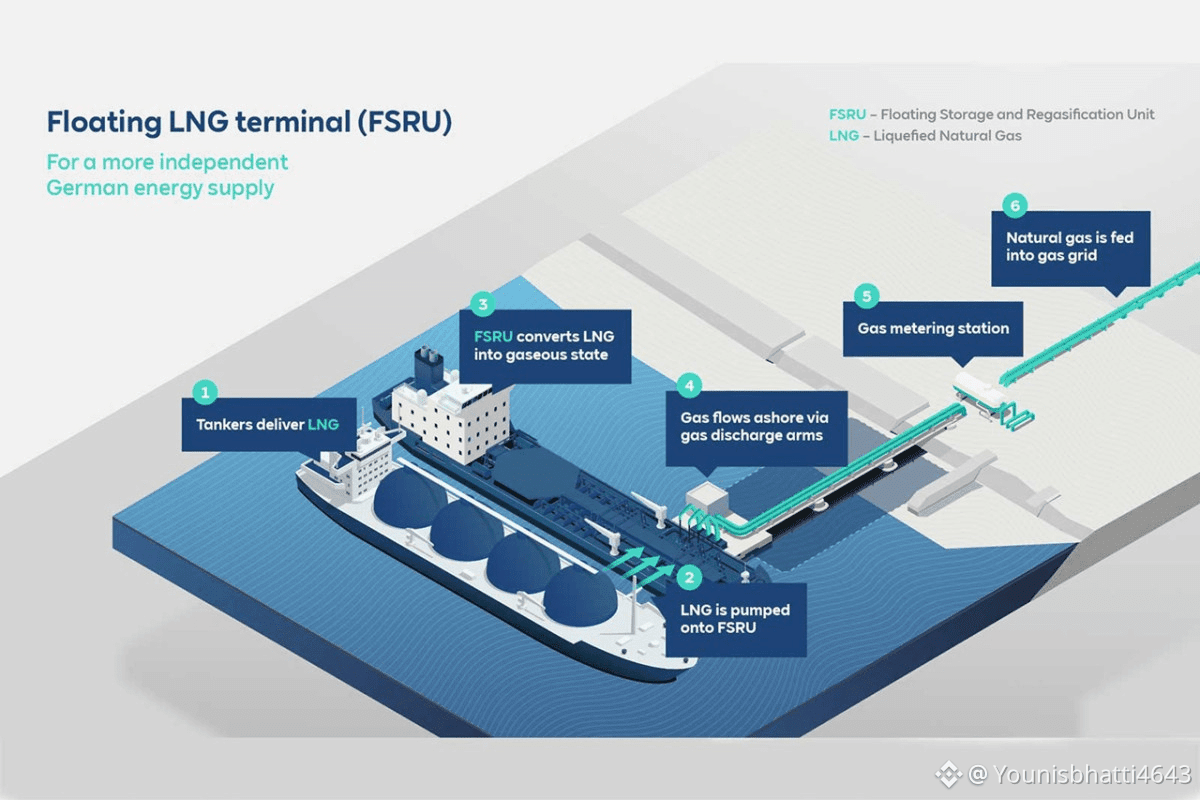
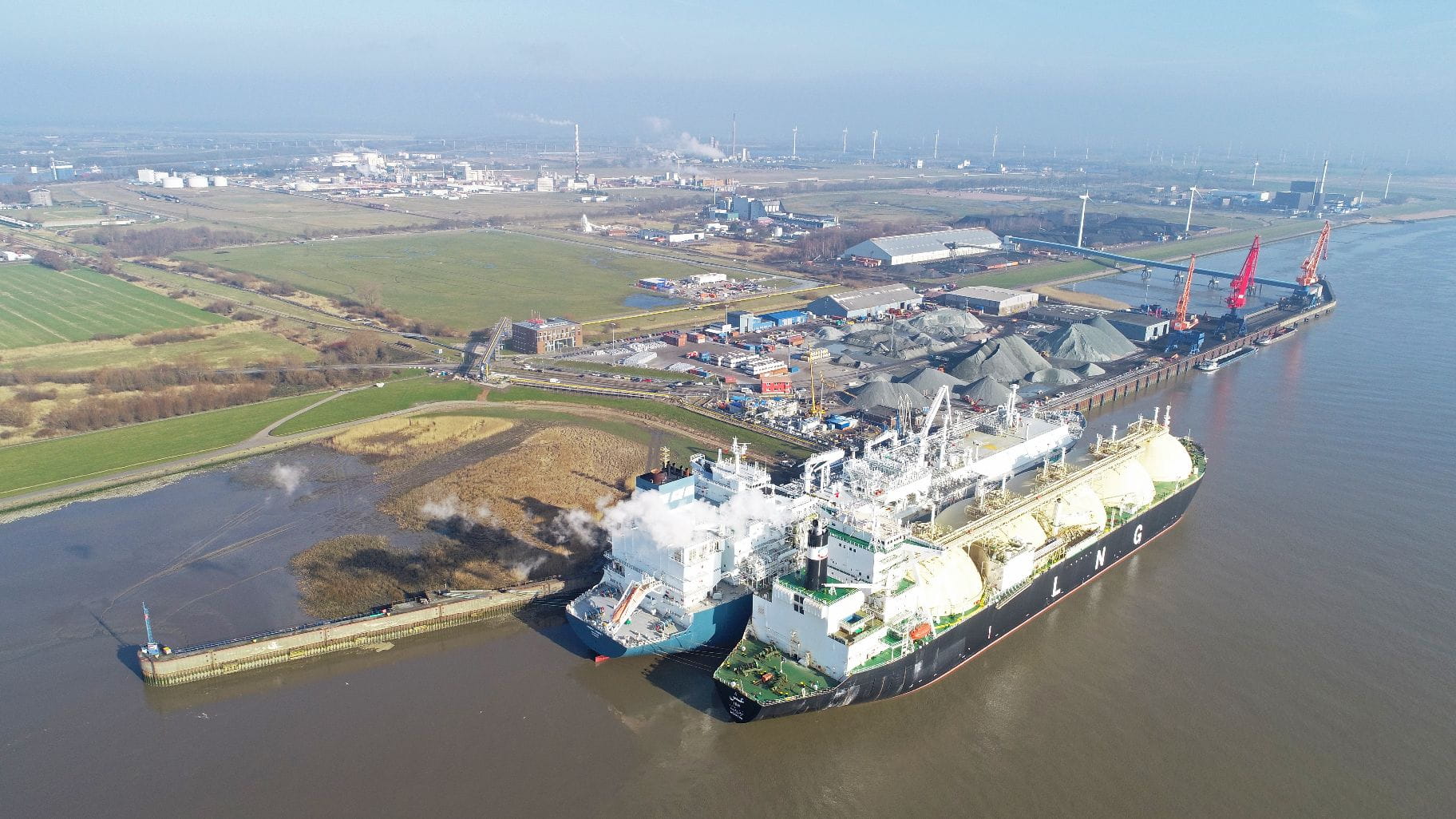
German officials have now begun to openly acknowledge what critics have warned for years: the current energy framework is financially and structurally unsustainable. Energy costs remain high for households and businesses, industrial competitiveness is under pressure, and emissions targets are becoming harder to justify.
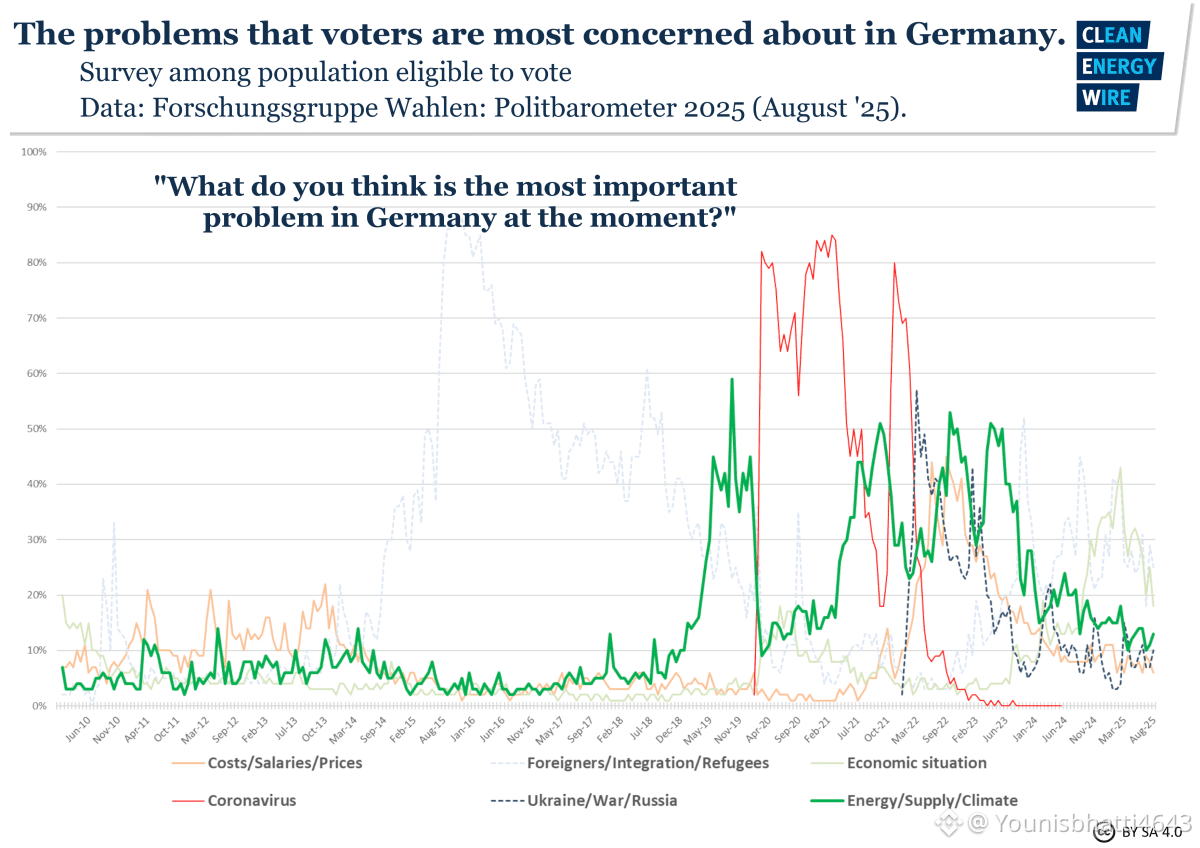
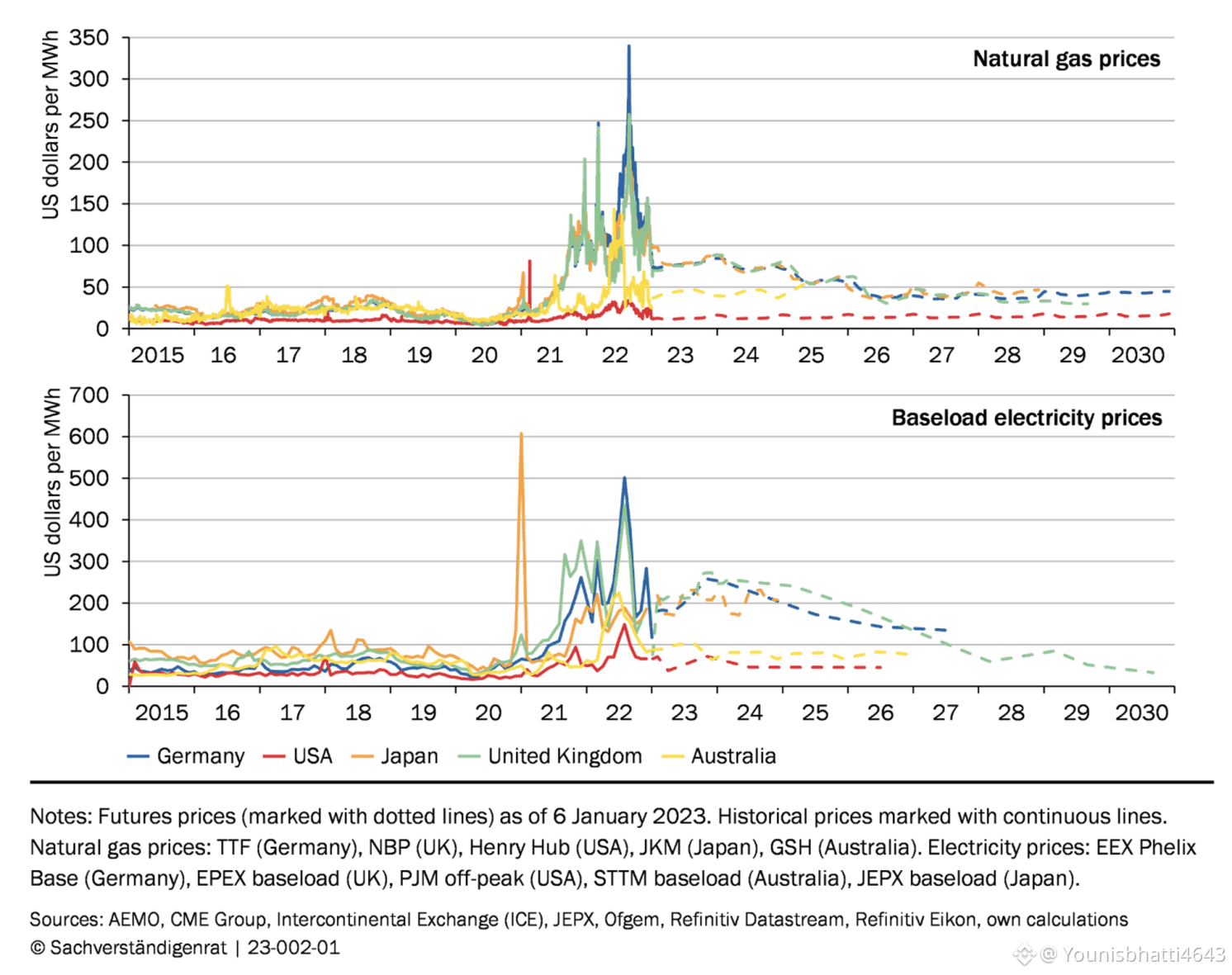
This situation sends a broader message to global markets and policymakers. An energy transition driven more by ideology than physics and economics can lead to greater dependence on fossil fuels, not less. Replacing nuclear with gas does not represent progress — it represents a compromise that weakens energy security while failing climate objectives.
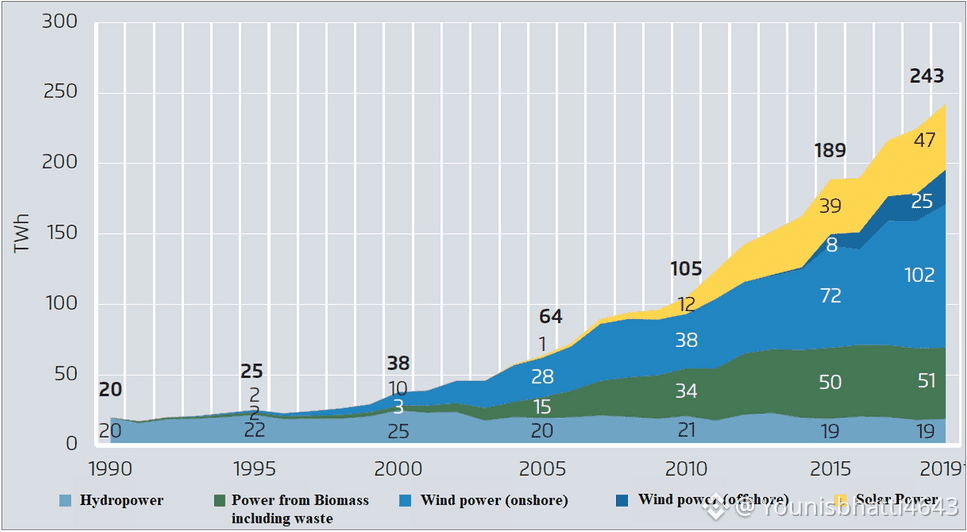
Germany’s experience may ultimately serve as a cautionary tale: without reliable baseload power, even the most ambitious green strategies risk collapsing under real-world demand. $AXS $D $RIVER #WriteToEarnUpgrade