Retail investors are showing extreme optimism toward US stocks, with allocations reaching approximately 70.8% according to the latest AAII (American Association of Individual Investors) Asset Allocation Survey. This marks one of the highest levels since the peak of the 2000 Dot-Com Bubble, surpassing the pre-Great Financial Crisis highs and aligning closely with the euphoric readings seen in 2021 just before the 2022 bear market.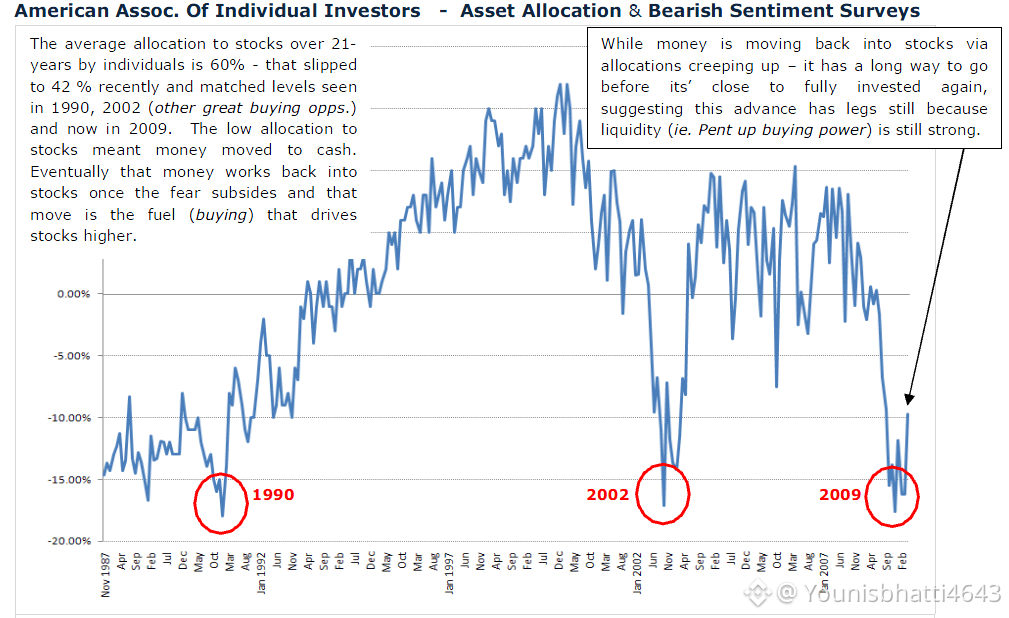
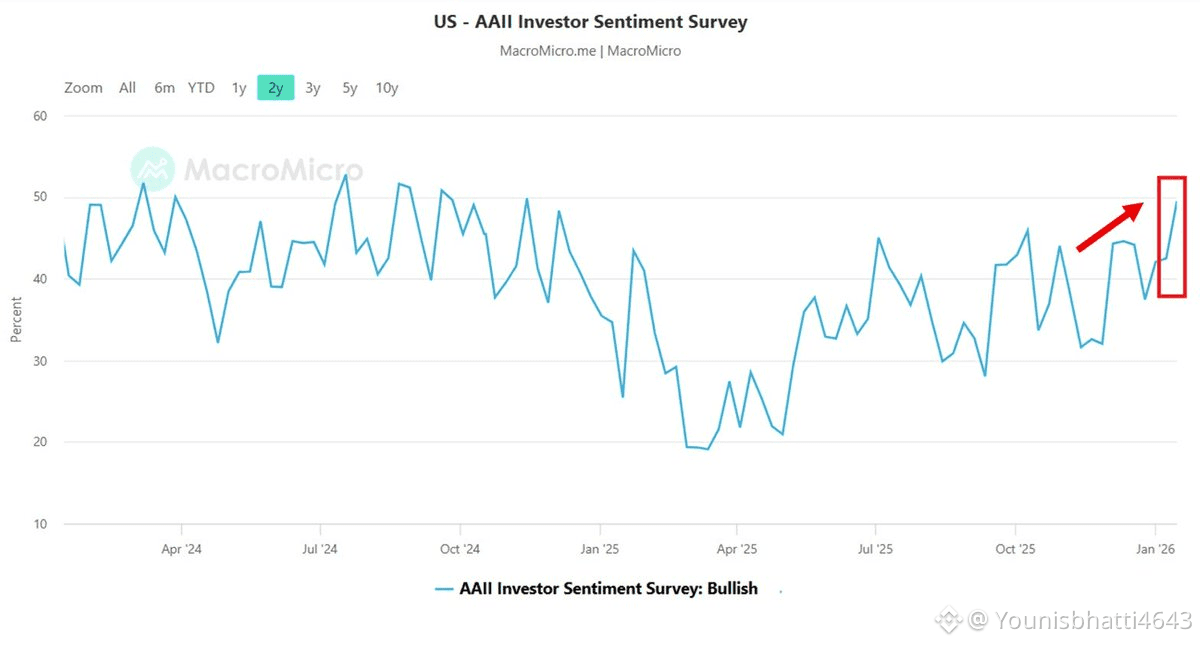
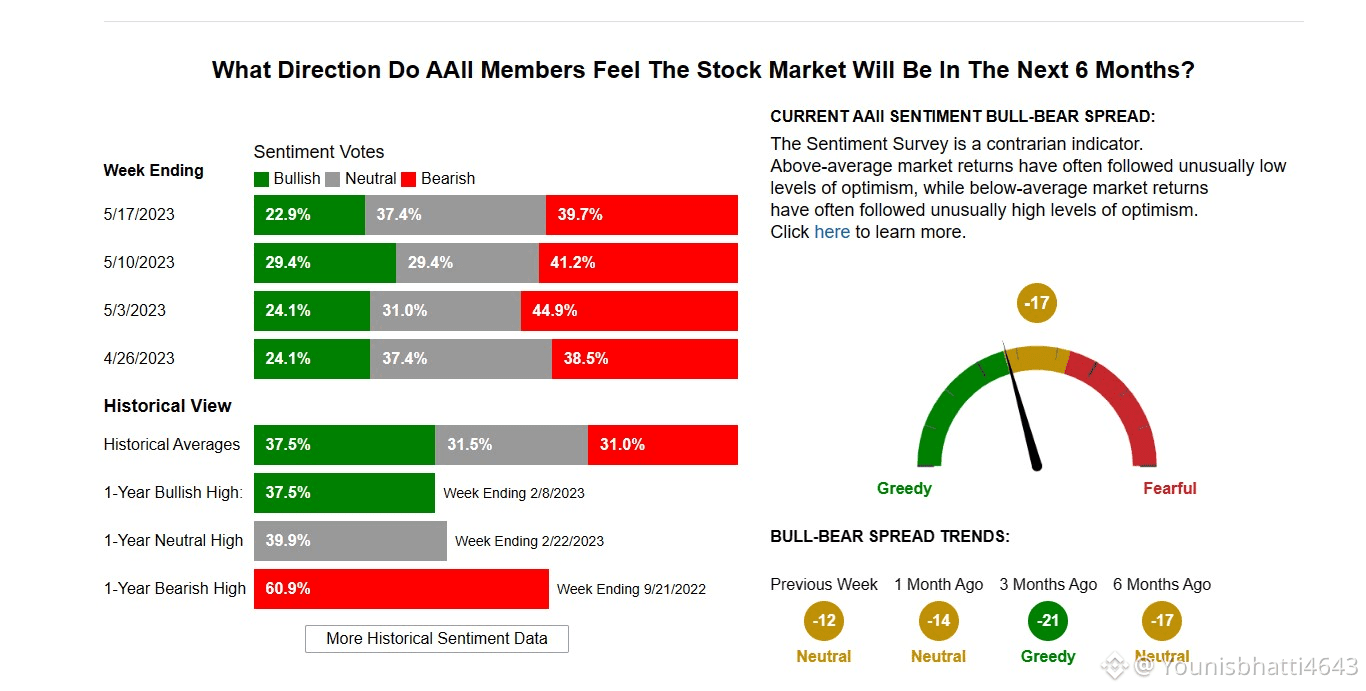
The AAII survey, which tracks how individual (retail) investors allocate their portfolios among stocks, bonds, and cash, reveals that stock and stock fund exposure stood at 70.8% in the December reading (down slightly from 71.2% the prior month but still well above the long-term historical average of around 61.5%). 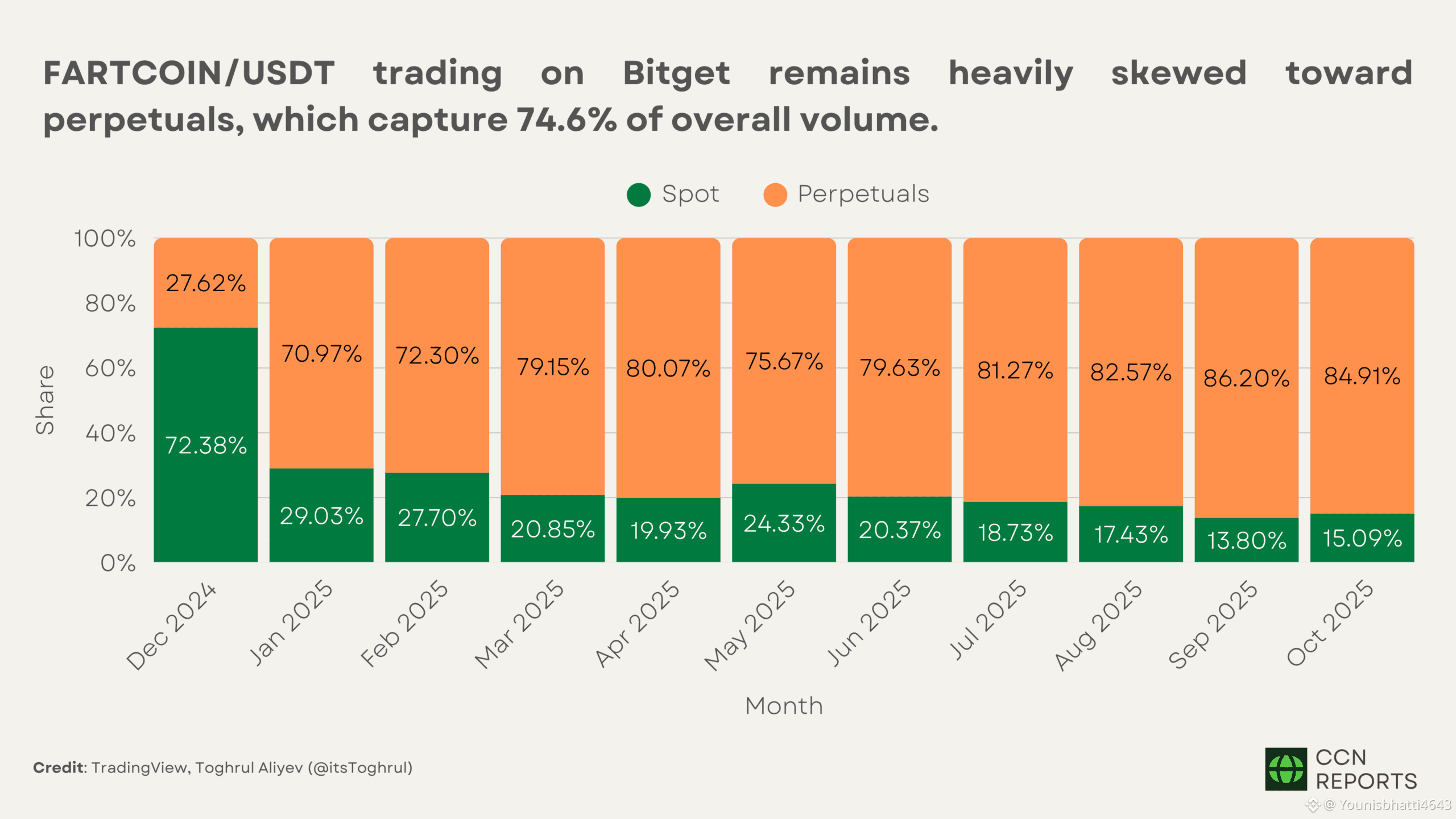
 This elevated commitment to equities reflects strong confidence in continued market gains, driven by factors like robust economic data, corporate earnings, and broader risk-on sentiment.
Historically, such high stock allocations have often coincided with periods of market exuberance—and sometimes preceded corrections. During the Dot-Com Bubble era around 2000, similar extremes in optimism contributed to overheated valuations before a sharp downturn. The pre-GFC peak and the 2021 levels also foreshadowed subsequent pullbacks, reminding investors that extreme bullishness can signal potential vulnerability.
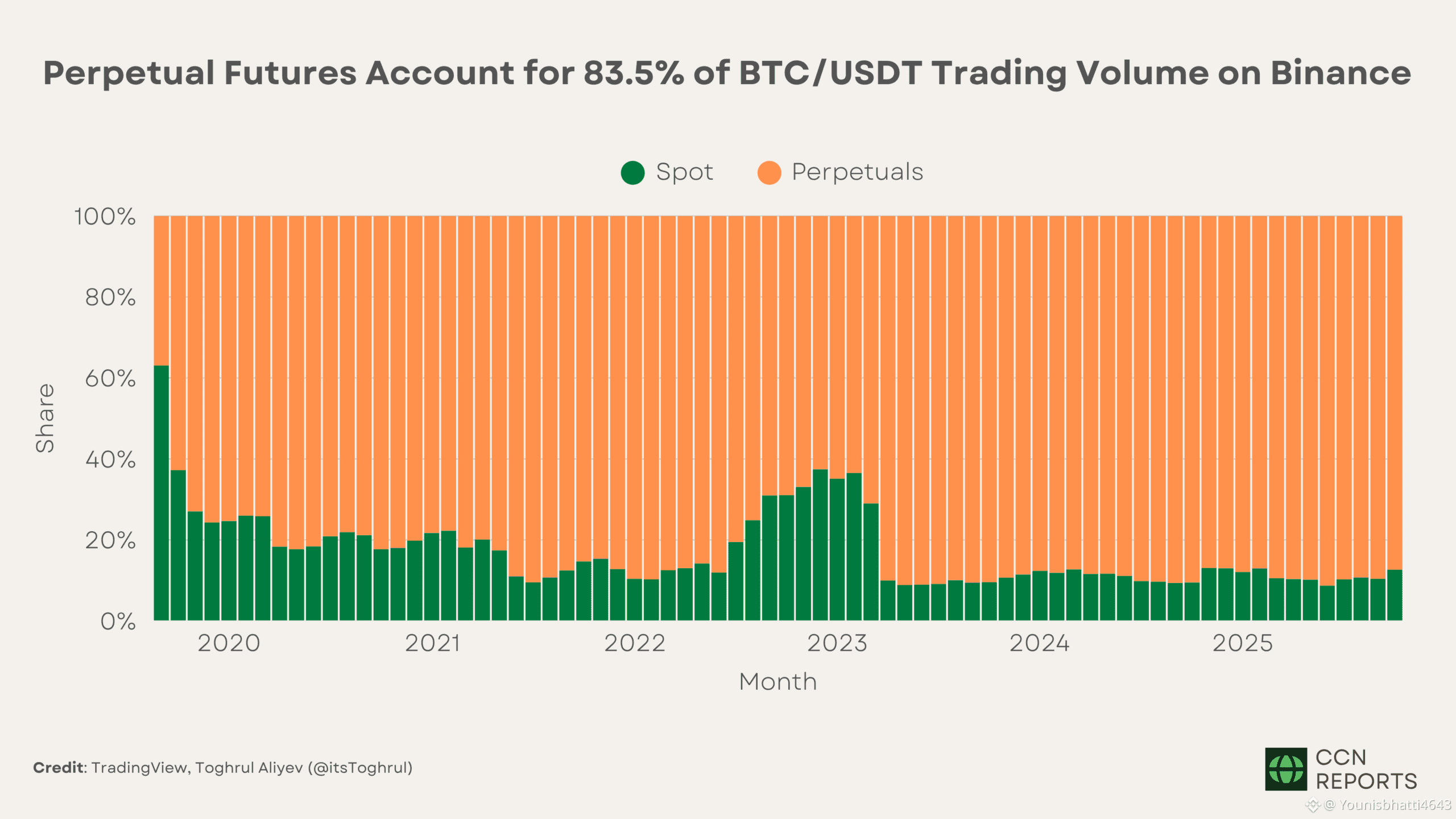
This retail enthusiasm appears amid other market signals, including surging perpetual futures trading in crypto assets. Tokens like $RIVER USDT (+31.19%), $HANA USDT (+68.34%), and $SXT USDT (+58.4%) highlight leveraged speculation in altcoins and related ecosystems, often tied to broader risk appetite.
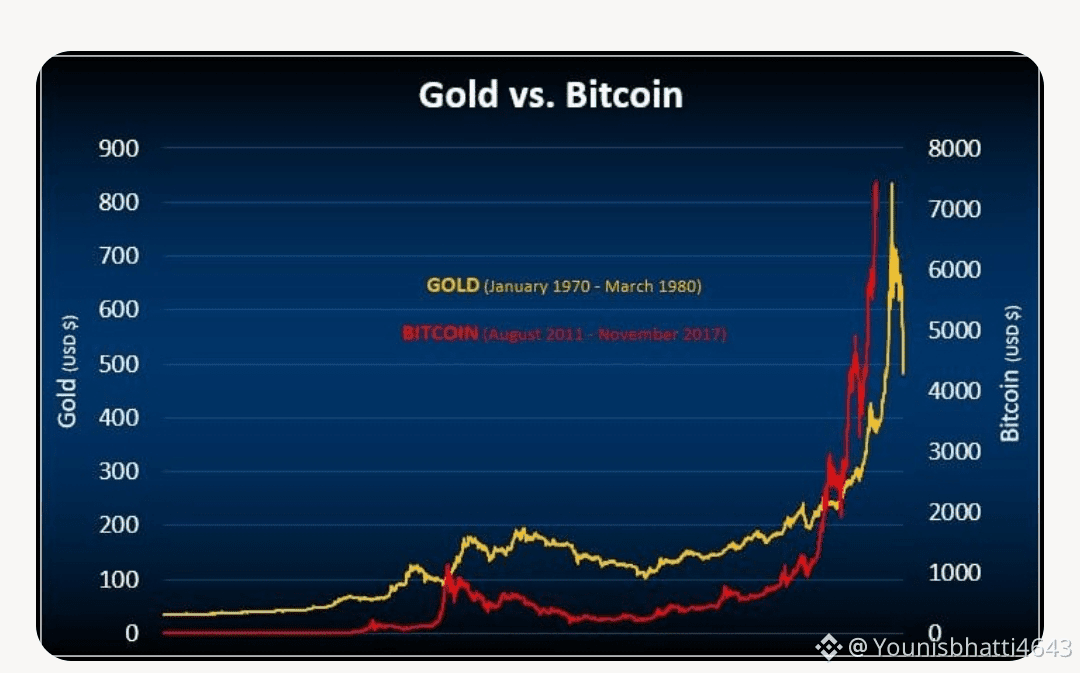
Broader themes in the discussion—such as Trump tariffs on Europe, gold and silver hitting record highs, US jobs data, BTC vs. gold debates, and institutional Bitcoin purchases—underscore a market environment blending traditional equity strength with alternative asset momentum and macroeconomic uncertainty.
1970 Gold vs. Bitcoin
While the current setup shows retail investors heavily committed to US equities, history suggests caution when allocations reach these rarefied levels. Whether this marks the start of a sustained bull extension or a precursor to mean-reversion remains a key question for markets in 2026. Investors may want to monitor upcoming AAII updates and broader economic indicators closely.