🚨Stephen Miran – fordert >1% Zinssenkungen im Jahr 2026
🚨Tom Barkin – betont einen "fein abgestimmten" Ansatz für Zinsschritte, der Inflation und Arbeitsplätze ausbalanciert, während die Zinssätze nahe neutral liegen (Neutral)
🚨Michelle Bowman – warnt, dass der Arbeitsmarkt fragil ist und unterstützt mehrere Zinssenkungen im Jahr 2026
Wenn Sie denken, dieser Artikel war nützlich - Liken und Kommentieren Sie die zukünftigen Zinssenkungschancen. Ihre Meinung ist das beste "Danke".
Redenaufteilung ⏬⏬⏬
_________________________________________________________________
Stephen Miran – Gouverneur der Federal Reserve (Fox Business Interview)
Hauptbotschaft
Miran argumentiert weiterhin, dass die US-Geldpolitik immer noch zu restriktiv ist und dass die Federal Reserve die Zinssätze um mehr als einen vollen Prozentpunkt (150 Basispunkte oder mehr) in diesem Jahr senken könnte – und sollte – um das Wachstum zu unterstützen und die finanziellen Bedingungen zu erleichtern. Er sagt, dass während die Inflation über 2 % bleibt, die zugrunde liegenden Preisdrucke nicht so bedrohlich sind, wie die Hauptzahlen vermuten lassen.
Worauf er sich konzentrierte
Inflationsinterpretation: Er glaubt, dass ein Großteil der gemessenen Inflation auf vorübergehende Effekte oder Messquirks zurückzuführen ist, was impliziert, dass die Inflation weniger verankert ist, als viele Beamte denken.
Politische Striktheit: Beschrieb die aktuelle Politik als übermäßig restriktiv, was die Wirtschaft bremst.
Zinssenkungen: Setzte sich für erhebliche Zinssenkungen im Jahr 2026 ein – weit über 100 Basispunkte – um die Politik in eine neutralere Haltung zu bringen.
Breitere Sicht: Miran hat konsequent für niedrigere Zinsen relativ zum Rest der Fed plädiert, was eine stärkere akkommodierende Denkweise widerspiegelt.
Implikationen
Mirans Bemerkungen werden im Vergleich zu den meisten anderen Fed-Beamten als taubenhaft angesehen, was signalisiert, dass er schnellere und aggressivere Erleichterungen möchte, um die Wirtschaft zu stimulieren, selbst wenn die Inflation nur allmählich zurückgeht.
Ton: Taubenhaft

Tom Barkin – Präsident, Federal Reserve Bank of Richmond
Hauptbotschaft
Barkin lieferte eine vorsichtigere und ausgewogenere Einschätzung der Wirtschaft. Er betonte, dass während sich einige wirtschaftliche Indikatoren verbessern (wie die Produktivität), die Inflation über dem Ziel bleibt und Unsicherheiten weiterhin den Ausblick trüben.
Was er hervorgehoben hat
Produktivitätsgewinne: Vermerkte kürzliche Produktivitätsverbesserungen, betonte jedoch, dass sie vorübergehend oder inkonsistent sein könnten.
Inflation: Anerkannte, dass die Inflation von den vorherigen Höchstständen zurückgegangen ist, aber weiterhin erheblich über dem Ziel von 2 % der Fed bleibt und argumentierte, dass es noch nicht an der Zeit sei, sich zu weiteren Kürzungen zu verpflichten.
Wirtschaftliche Widerstandsfähigkeit: Anerkannte eine starke wirtschaftliche Widerstandsfähigkeit, unterstützt durch fiskalische Anreize und Nachfrage, jedoch mit Risiken – insbesondere wenn das sektorale Wachstum nachlässt.
Unsicherheit bleibt: Warnte, dass zukünftige Zinsentscheidungen datenabhängig und sorgfältig „feinjustiert“ werden sollten, basierend auf eingehenden Beweisen, anstatt auf vorgegebenen Zielen.
Implikationen
Barkins Rede ist neutral – sie drängt weder aggressiv auf Kürzungen noch warnt sie laut davor. Er beschreibt die Erholung als weder zerbrechlich noch robust genug für sichere Vorhersagen.
Ton: Neutral
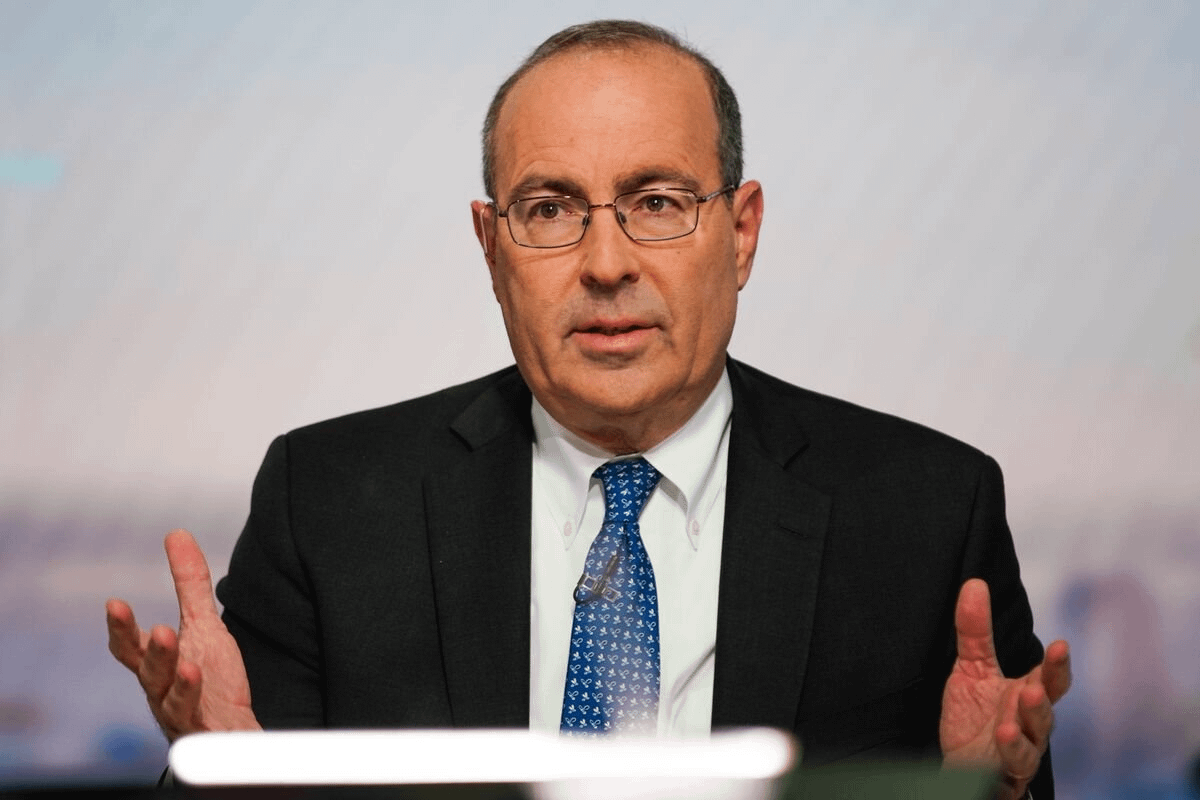
Michelle Bowman – Fed Gouverneurin
Michelle Bowman – Was sie wirklich betont hat
In ihren öffentlichen Äußerungen, die an die Agenda vom 3. Februar gebunden sind, erklärte Bowman ihre Entscheidung, weitere Zinssenkungen vorerst auszusetzen nach den jüngsten Kürzungen, während sie zukünftige Erleichterungen später in diesem Jahr weiterhin unterstützt. Sie argumentierte, dass:
Die US-Wirtschaft weiterhin wächst und die Inflation sich dem Ziel von 2 % nähert – insbesondere, wenn die vorübergehenden Tarifeffekte nachlassen.
Die Bedingungen auf dem Arbeitsmarkt bleiben fragil mit schwächerer Einstellung und nachlassender Nachfrage, was ein Abwärtsrisiko darstellt.
Die zentrale Frage ist jetzt nicht, ob Kürzungen stattfinden werden, sondern wann – und das richtige Timing ist wichtig, daher möchte sie mehr eingehende Daten sehen, bevor sie handelt.
Ihre internen Prognosen beinhalten weiterhin mehrere Zinssenkungen bis 2026, aber sie wählt, vorübergehend zu pausieren, um neue Berichte zu bewerten, bevor sie diese umsetzt.
Sie betonte, dass die Geldpolitik datenabhängig bleiben muss und nicht „auf einem vorgegebenen Pfad“.
Markt-Aussage
Bowman ist vorsichtig taubenhaft – sie unterstützt Kürzungen später in diesem Jahr, möchte aber mehr Klarheit aus den Daten, bevor sie jetzt kürzt. Ihr Schwerpunkt liegt auf der Balance zwischen Fortschritten bei der Inflation und Risiken auf dem Arbeitsmarkt.