
@Walrus 🦭/acc There was a time when owning something felt simple. If you held it in your hands, it belonged to you. In the digital world, ownership became abstract. Files live on distant servers, value moves through invisible systems, and trust is outsourced to companies whose priorities can change overnight. Walrus emerges from this tension. It is not loud or theatrical in its ambition. Instead, it reflects a growing desire to bring a sense of personal ownership and dignity back into the digital experience.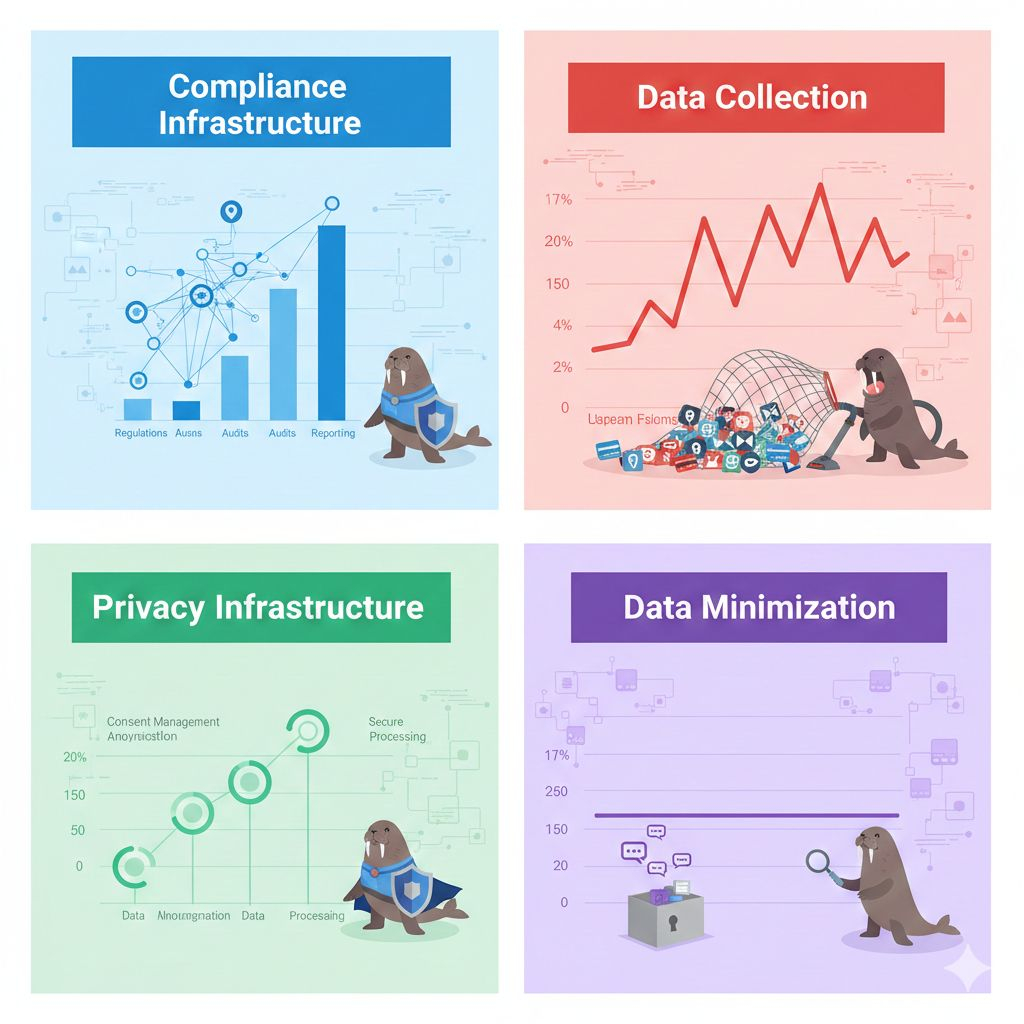
Walrus (WAL) is the native token of the Walrus Protocol, a decentralized system that combines private blockchain interactions with decentralized data storage. At a technical level, Walrus supports private transactions, staking, governance, and interaction with decentralized applications. At a human level, it responds to a deeper discomfort many people feel but rarely articulate. The feeling that the digital world has become convenient at the cost of control.
The protocol operates on the Sui blockchain, an environment built for speed, scalability, and efficient execution. This choice is important because decentralization has long been criticized for being slow or impractical. Walrus challenges that perception by pairing modern blockchain performance with a storage architecture designed specifically for large scale data. Through erasure coding and blob storage, files are split into fragments and distributed across a network of independent nodes. No single node has full authority. No single failure can erase the data. The system survives because it is shared.
This approach changes how trust works. Traditional cloud storage asks users to trust a single provider with everything. Walrus assumes trust should be distributed, not concentrated. By spreading data across many participants, the protocol reduces the power any one actor has over information. Censorship becomes harder. Outages become less catastrophic. Control quietly returns to the user.
The WAL token plays a central role in maintaining this balance. It is used to pay for storage, secure the network through staking, and participate in governance decisions. More importantly, it aligns incentives. Storage providers are rewarded for reliability. Users who stake have a reason to care about the protocol’s long term health. Governance is not symbolic. It directly influences how the system evolves. This creates a relationship where participants are not passive consumers, but active stewards.
Privacy is one of the most understated yet meaningful aspects of Walrus. Blockchain technology is often associated with radical transparency, but transparency without choice can feel invasive. Walrus supports private transactions and encrypted data storage, acknowledging that privacy is not about hiding wrongdoing. It is about protecting personal space. People need places where their ideas, records, and memories are not constantly observed, analyzed, or monetized.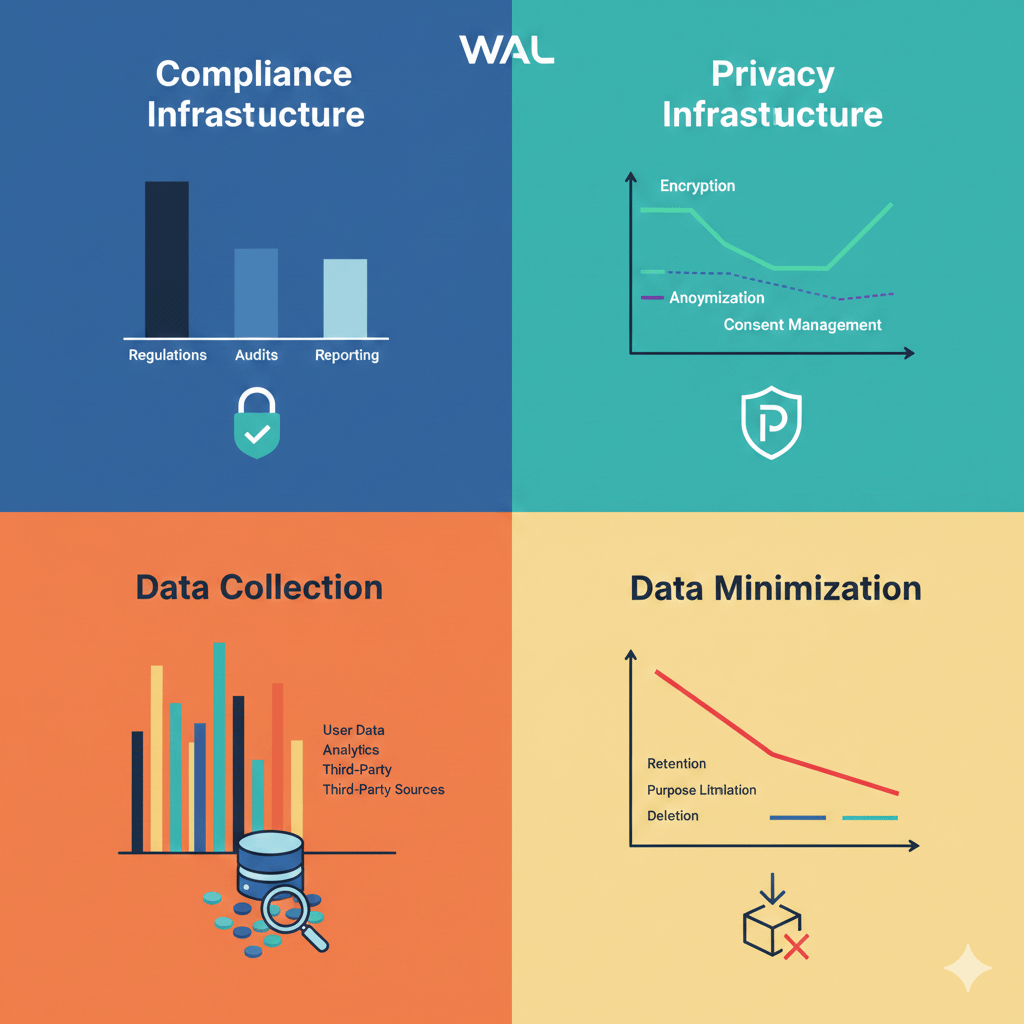
Consider a freelance designer storing years of client work. Or a journalist protecting sensitive research. Or a small community preserving cultural archives that could be erased by political pressure. In centralized systems, access to this data can be revoked, restricted, or surveilled. Walrus offers an alternative. Data exists because a network agrees to host it, not because a company permits it.
This does not mean Walrus is without challenges. Decentralized systems are complex by nature. User experience still has room to mature. Governance can be slow and imperfect. Coordination across a global network requires patience and compromise. Walrus does not avoid these realities. Instead, it accepts them as the cost of building systems that value autonomy over convenience.
What makes Walrus compelling is its restraint. It does not promise to replace the cloud overnight. It does not claim to solve every problem in Web3. It focuses on a specific idea and builds carefully around it. That idea is that data and value should be owned by those who create and use them, not by those who control the infrastructure.
Looking ahead, Walrus hints at a future where decentralized applications store data natively without relying on centralized services. Where organizations can share sensitive information without surrendering control. Where individuals can participate in digital economies without sacrificing privacy by default. Storage, finance, and identity begin to merge into systems shaped by users rather than platforms.
At its core, Walrus is not just a protocol. It is a quiet statement about what the internet could become if trust were redesigned from the ground up. It suggests that ownership does not have to be absolute to be meaningful. It can be shared, protected, and resilient. In a world where data has become power, leverage, and profit, Walrus invites us to reconsider something simple yet profound. Who should hold that power, and why.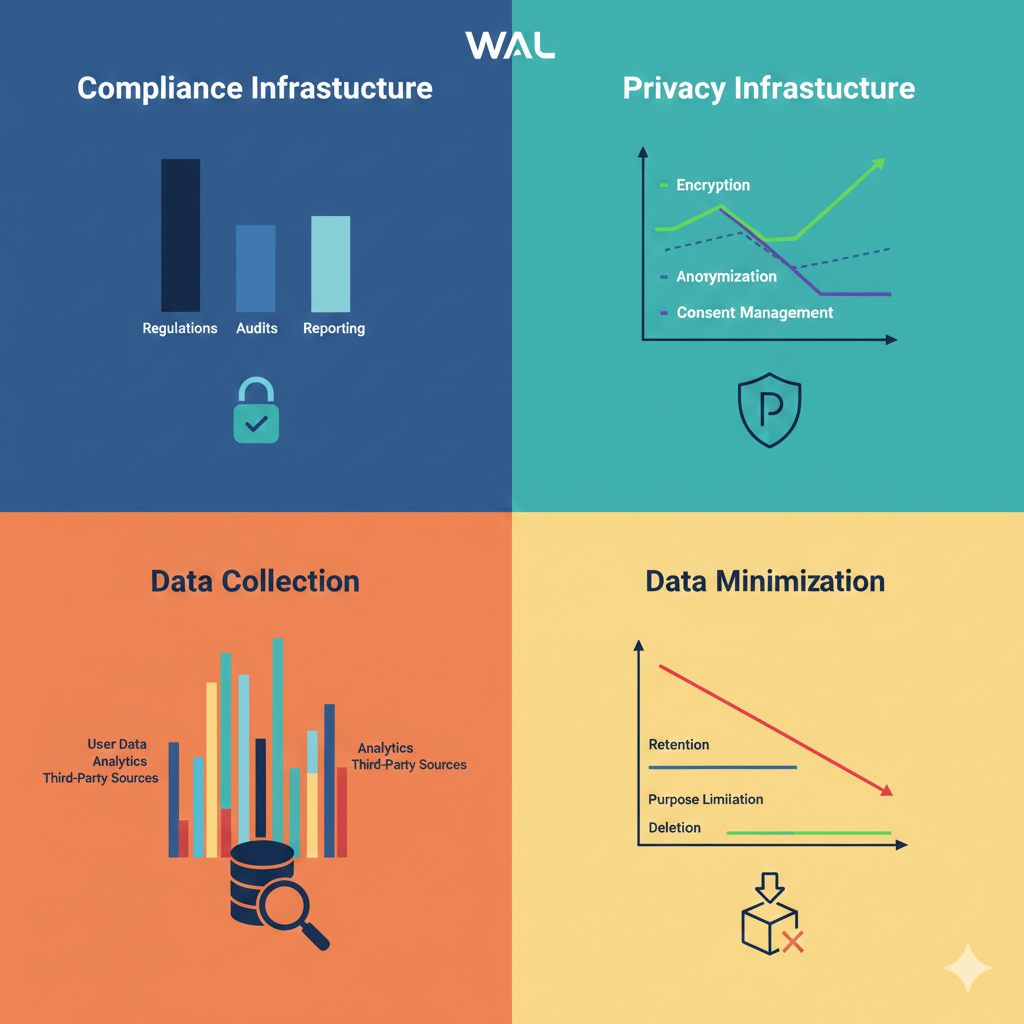
The answer Walrus offers is not dramatic. It is thoughtful. It builds slowly, fragment by fragment, across a network that assumes trust must be earned rather than granted. And in doing so, it reminds us that the future of technology is not only about speed or scale. It is about the values we choose to encode into the systems that increasingly shape our lives.

