Most blockchains want to be exciting. Plasma doesn’t. And honestly, that might be the whole point.
If you look at what’s actually happening on-chain right now, stablecoins are doing the heavy lifting. Public blockchain data shows daily stablecoin transfers consistently landing between $45 and $65 billion, even outside peak market cycles. Annualized, that’s multiple trillions of dollars moving on-chain every year. What’s changed recently isn’t just volume — it’s intent. More of these transfers are tied to payments, treasury operations, and cross-border movement rather than speculative trading.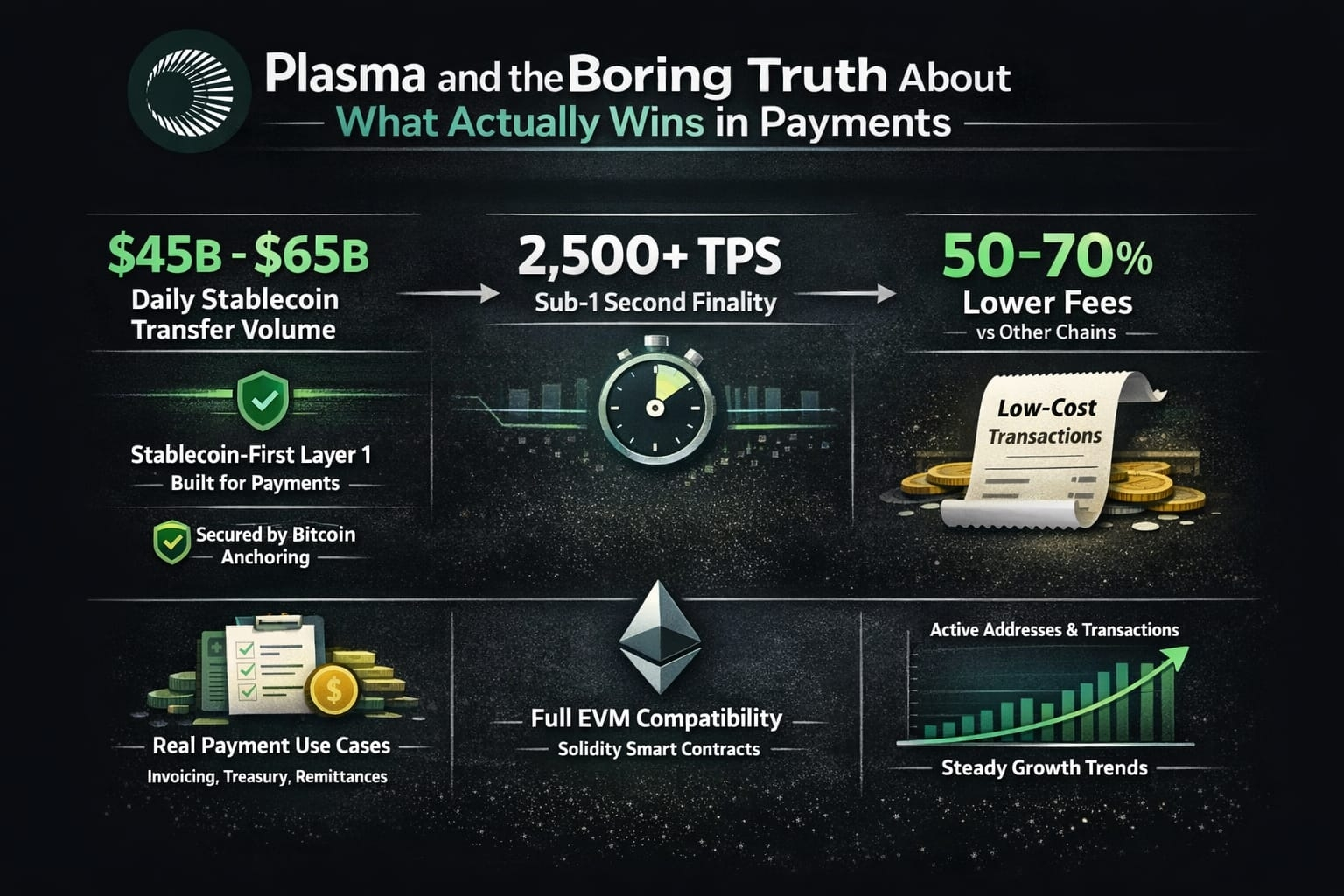 That shift exposes a problem. Most blockchains were never designed to be payment rails. They’re flexible, composable, and expressive — but they’re not predictable. And predictability is everything in payments. This is where @Plasma quietly makes sense.
Plasma is a stablecoin-first Layer 1. Not “payments-compatible.” Not “payments later.” Stablecoins are the main event. The chain is optimized around moving them fast, finalizing them quickly, and keeping costs boringly low.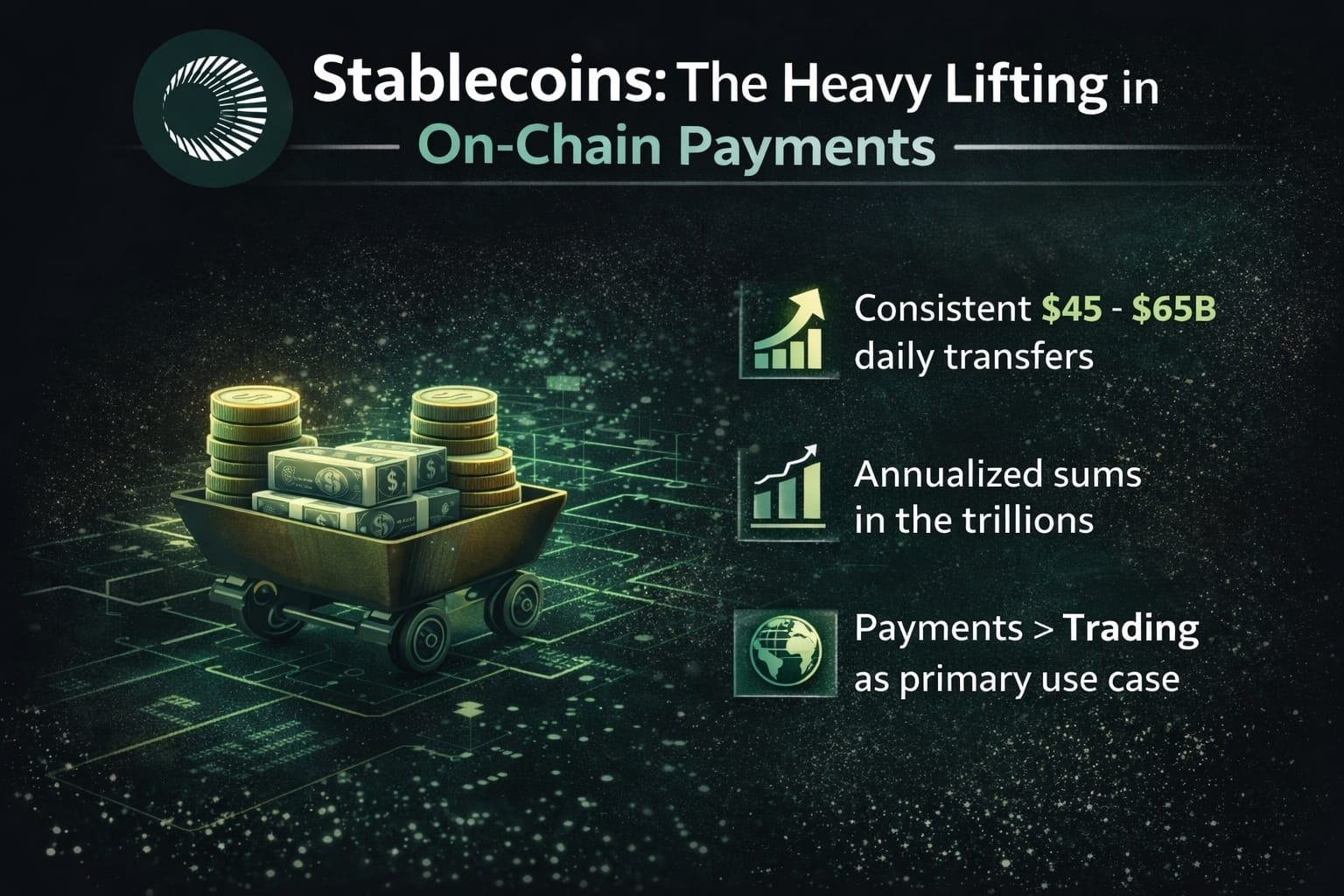 On the performance side, Plasma has demonstrated sustained throughput above 2,500 transactions per second, with internal stress scenarios pushing higher without breaking finality guarantees. Thanks to PlasmaBFT, transaction finality regularly lands in under one second. That matters more than raw TPS charts. In payments, users don’t care how many transactions a chain could process. They care about how fast their transaction is done and whether it’s actually final.
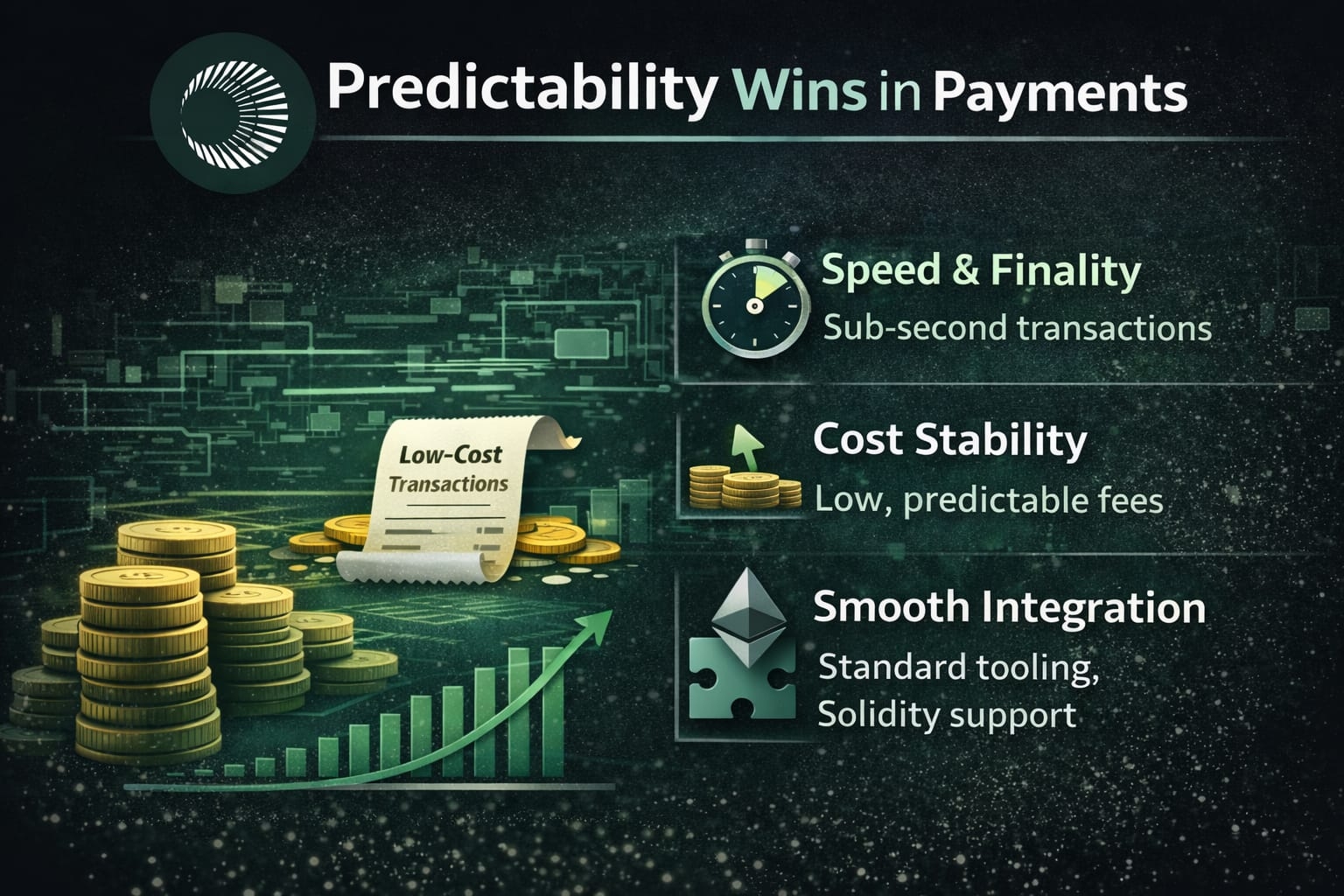 Fees tell a similar story. Network-level data shows average transaction costs staying in the low-cent range, even as usage increases. Some early payment-focused teams testing Plasma have reported 50–70 percent lower settlement costs compared to general-purpose smart contract chains during congestion. That difference isn’t just cheaper — it’s predictable. And predictable costs are what allow businesses to plan.
One underrated reason Plasma feels practical is its full EVM compatibility. There’s no new virtual machine, no exotic tooling, no forced rewrites. Solidity contracts deploy cleanly. Wallets behave the way users expect. Infrastructure providers don’t need special adapters. Because of that, the first applications showing up aren’t flashy. They’re invoicing tools, escrow flows, merchant checkout logic, and billing systems. Not sexy — but useful.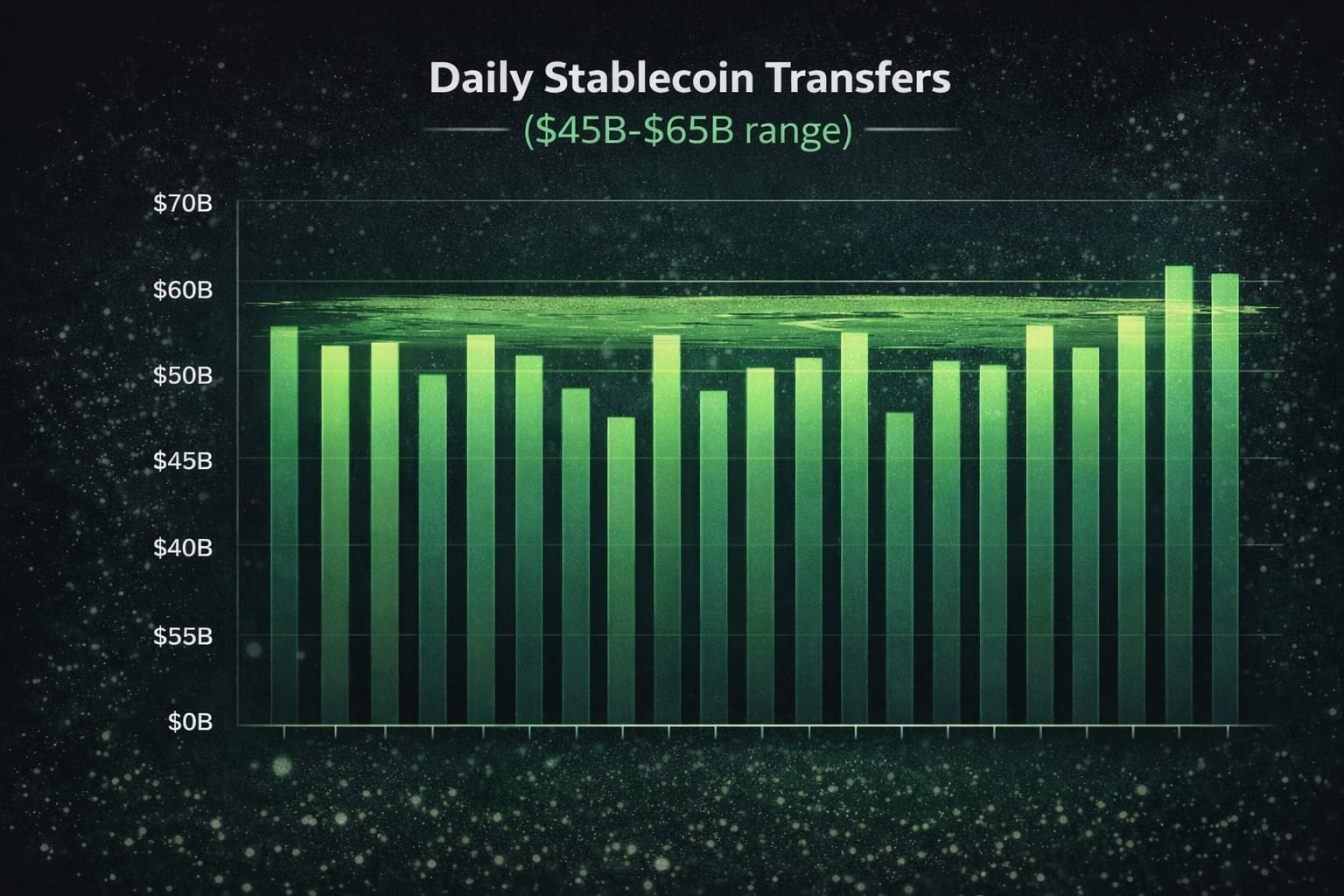 Security is where Plasma leans long-term. By anchoring state commitments to Bitcoin, Plasma ties its history to the most battle-tested settlement layer in crypto. That doesn’t eliminate all risk, but it significantly raises the cost of rewriting history. For a chain positioning itself as payment infrastructure rather than an experimental playground, that tradeoff makes sense.
Usage patterns support the thesis. Active addresses and daily transactions have been trending upward steadily, not in sudden incentive-driven spikes. That kind of growth usually points to repeat behavior. People using the network because it works, then coming back the next day to do it again.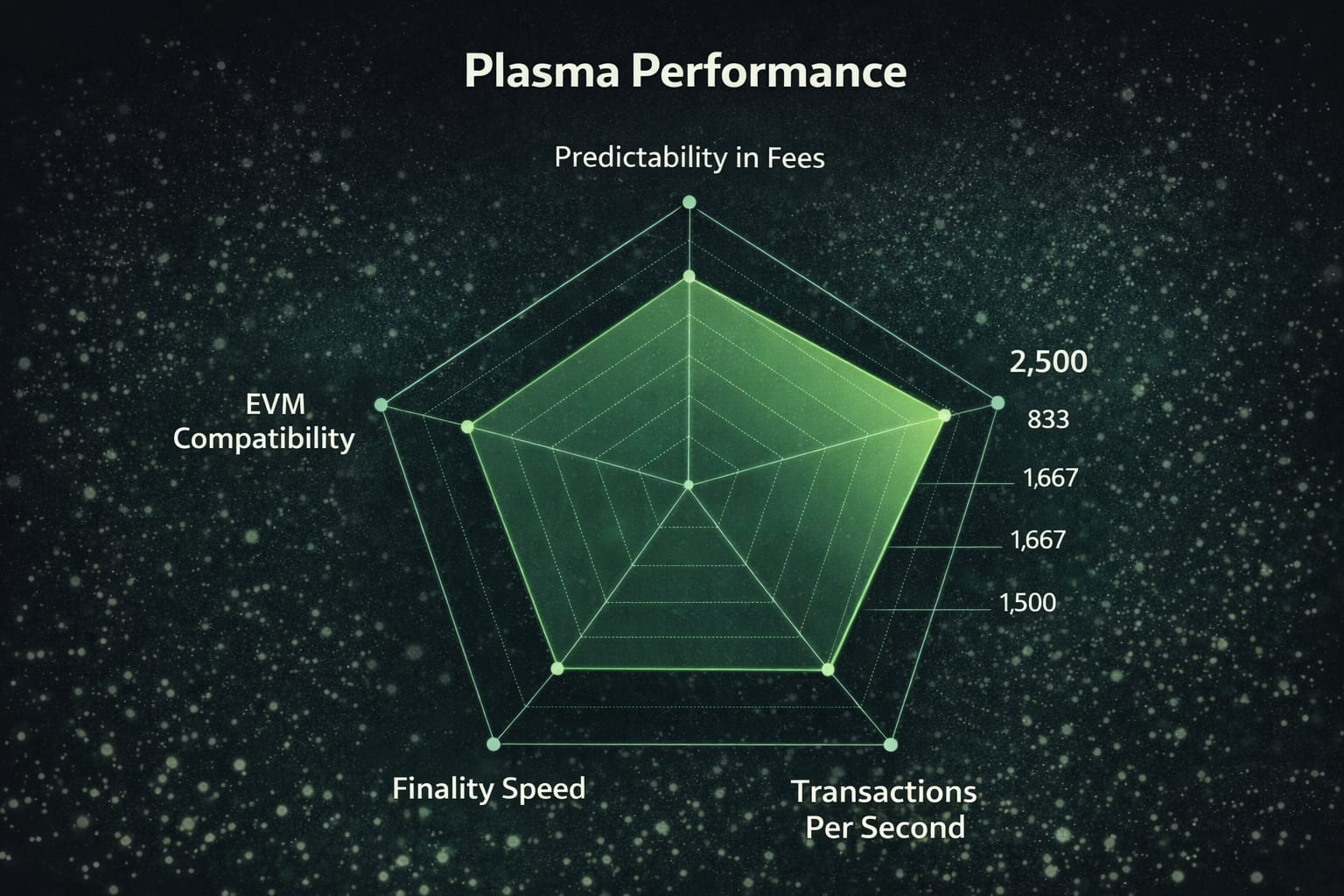 There are real challenges ahead. Stablecoin regulation is still evolving, and Plasma’s success is closely tied to issuer compliance and regional policy decisions. There’s also real competition from L2s and modular payment stacks promising cheap settlement through more complex architectures. #Plasma will need to keep executing cleanly, especially as volumes grow.
Still, Plasma’s positioning feels grounded in reality. Stablecoins are already global financial rails. Plasma is building infrastructure that treats them that way.
No hype. No distractions. Just fast, cheap, final settlement — over and over again.
$XPL

Άρθρο
PLASMA AND THE BORING TRUTH ABOUT WHAT ACTUALLY WINS IN PAYMENTS
Αποποίηση ευθυνών: Περιλαμβάνει γνώμες τρίτων. Δεν είναι οικονομική συμβουλή. Ενδέχεται να περιλαμβάνει χορηγούμενο περιεχόμενο. Δείτε τους Όρους και προϋποθέσεις.