

Lately, the most useful signal hasn’t been price movement, but how long liquidity stays put. In calm stretches like this, capital isn’t rushing for exits or chasing momentum—it’s waiting. That matters now because waiting behavior usually shows whether participants trust the structure underneath. When liquidity pauses instead of fleeing, it tells you the system is being tested quietly, not abandoned.
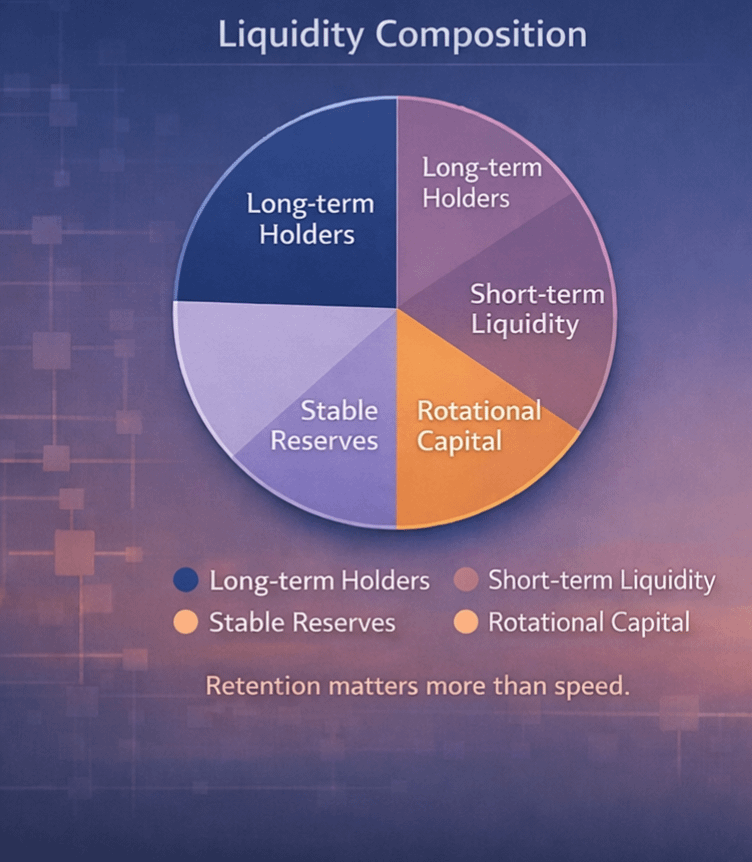
Recent on-chain data reinforces that idea. Over the past two weeks, average liquidity retention has extended while same‑day withdrawals have dropped, even as volumes stayed modest. That shift suggests providers are adjusting their timing rather than their conviction. A small protocol update around fee distribution also tilted rewards toward longer participation windows, subtly changing incentives. In ecosystems like Dusk, these mechanics shape how stress is absorbed before it shows up elsewhere. If liquidity is choosing patience over speed, are we paying enough attention to what it’s signaling?
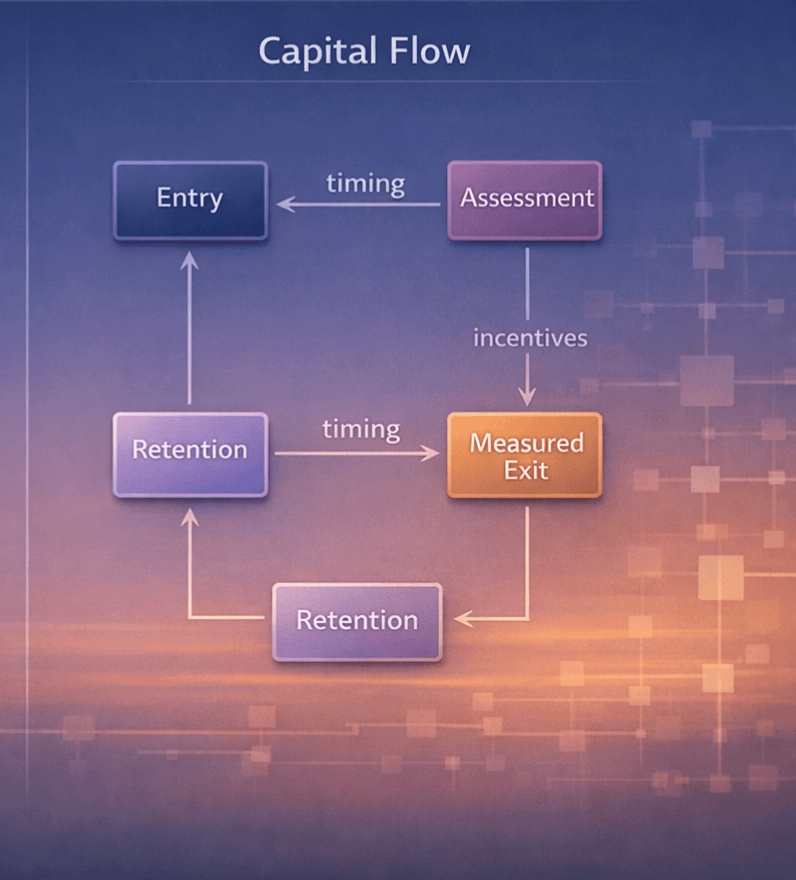
For contributors, this kind of environment changes what matters most. Composition outweighs size, and withdrawal timing becomes a strategic choice instead of a reflex. Those who align with longer retention help smooth short‑term shocks and reduce sudden depth gaps. Watching how liquidity behaves during these quieter periods offers a grounded lesson: stability is rarely announced. It emerges from repeated decisions to stay engaged when there’s no immediate reason to leave.
$CLANKER @Dusk
#Dusk #dusk #USIranStandoff #RiskAssetsMarketShock
#WhenWillBTCRebound $RVV