
Vanar isn’t just another blockchain aimed at consumers — gaming sits right at its heart. Instead of treating games as a side note or just NFT marketplaces, Vanar actually builds out the full stack for Web3 games. We're talking everything from onboarding new players to running in-game economies that can handle real volume.
@Vanarchain $VANRY #VanarChain 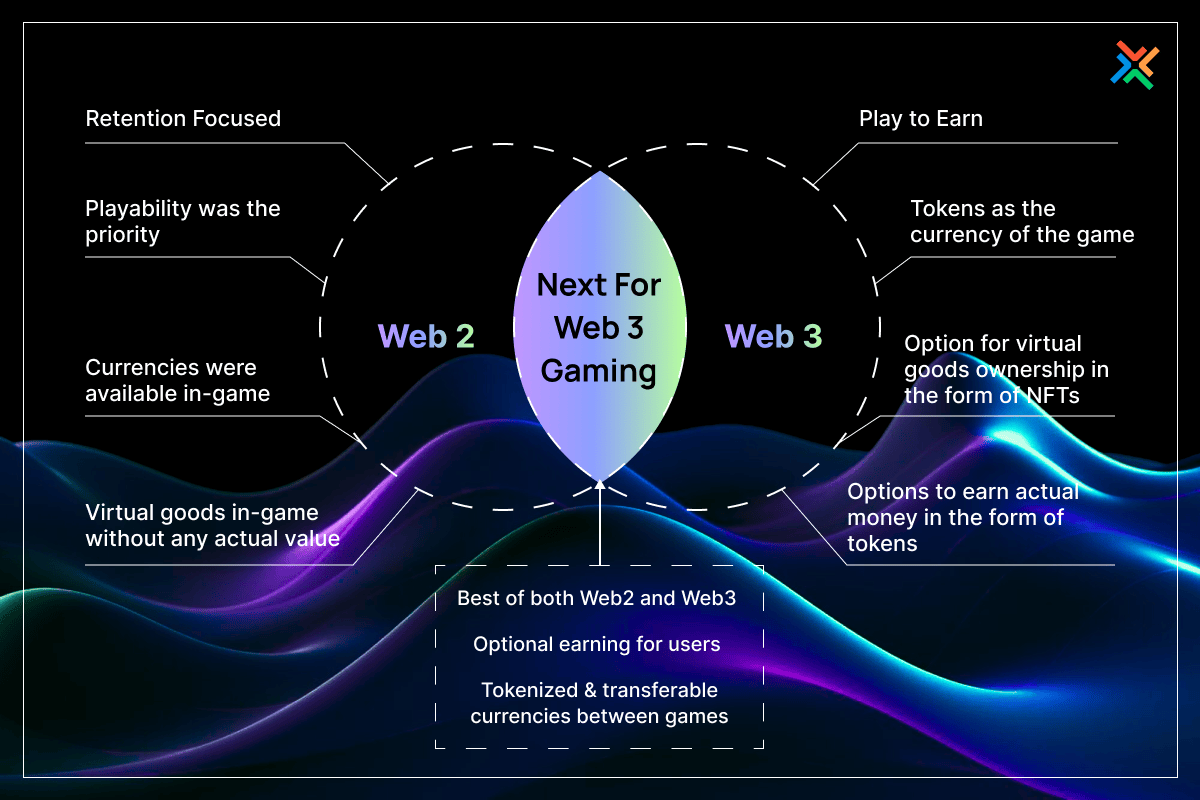
Here’s a straightforward breakdown you can use if you’re explaining Vanar to someone or making content about it.
1. Built for Gaming from the Ground Up
Vanar runs as its own Layer-1 blockchain. That means it’s got full control over speed, performance, and how everything executes — all the stuff that matters when you need fast, smooth gameplay. High throughput and cheap transactions mean players can buy items, earn rewards, and move assets around without lag or huge fees.
Most blockchains focus on finance. Vanar’s built for games and interactive apps, so the tech doesn’t get in the way when you’re in the middle of a match.
Why does this matter? Games generate a ton of small actions every second. If it’s slow or expensive, the fun dies fast. Players shouldn’t even notice the blockchain running under the hood.
2. Micropayments That Just Work
Vanar makes it easy to send tiny payments in-game. Think buying skins, unlocking upgrades, minting and trading NFTs, or just sending stuff to other players. Fees stay low and everything moves quickly, so developers can build real, functioning game economies without worrying about gas fees getting in the way.
In plain English, Vanar lets blockchain payments feel as easy as the in-game purchases we’re all used to.
3. Real Tools for Game Developers
Developers don’t want to reinvent the wheel every time they add Web3 features. Vanar gets that. They offer SDKs and APIs that plug right into popular game engines like Unity and Unreal. There are built-in tools for marketplaces, quests, rewards, and gamification, so studios don’t have to start from scratch.
Big idea here: Vanar makes it easy for Web2 game studios to add Web3 features without rebuilding their games or learning entirely new systems.
4. The Vanar Games Network (VGN)
VGN is like a hub and network for Web3 games. It pulls together player communities, quest systems, and reward loops, all powered by blockchain. But the important part — it keeps things familiar for players. No confusing wallets or crypto jargon at the door.
This makes it way easier for regular gamers (not just crypto fans) to get started. It breaks down one of the biggest barriers in Web3 gaming: onboarding people who don’t care about blockchain tech.
5. AI That Makes Games Smarter
Vanar doesn’t stop with blockchain. It brings AI into the mix too — think AI-generated characters, dynamic environments, and personalized content. This lets games adapt and scale content without a massive human team behind the curtain. AI is quickly becoming a must-have for next-gen gaming, and Vanar’s already on it.
6. True Asset Ownership and Interoperability
Web3 gaming only works if players really own their stuff. Vanar supports NFTs, digital collectibles, and assets you can actually move between games or sell in marketplaces. Your avatar, your rare sword, your favorite skin — they’re not locked in one place.
This opens up a lot of possibilities for cross-game economies and real digital ownership.
7. Backing Builders and Growing the Ecosystem
Vanar doesn’t just build the tech and walk away. They support studios and developers directly — partnering with teams like ChainSafe, offering technical help, and co-developing solutions. It’s about helping studios grow fast while letting them keep control.
Summary: How Vanar Powers Web3 Gaming
Vanar’s approach brings together:
- A gaming-optimized Layer-1 blockchain
- Seamless micropayments for real in-game economies
- Developer tools that slot into existing workflows
- The VGN network for easy player onboarding
- AI for smarter, more dynamic games
- Real asset ownership and interoperability
- Strong partnerships and support for studios
Bottom line: Vanar wants blockchain to disappear into the background for players but still give developers all the Web3 advantages.
If you want, I can turn this into a Binance Square article, a Twitter thread, or even a visual tutorial. Just let me know what you need.