
Risk management is crucial in crypto trading due to the market's high volatility. It involves identifying potential losses and implementing measures to minimize them while maximizing potential gains. Effective strategies help preserve capital and ensure long-term sustainability.
Here are key risk management strategies based on expert recommendations:
1. Identify and Analyze Risks: Start by pinpointing risks like market volatility, liquidity issues, cybersecurity threats, and regulatory changes. Conduct thorough analysis using tools such as scenario testing or sensitivity analysis to understand their impact.
2. Diversify Your Portfolio: Spread investments across different cryptocurrencies, sectors (e.g., DeFi, NFTs), or even asset classes to reduce exposure to any single asset's downturn. This "don't put all eggs in one basket" approach can mitigate losses from market crashes.
3. Implement Position Sizing (e.g., 1% Rule): Never risk more than 1-2% of your total capital on a single trade. This limits the damage from any one loss and allows you to stay in the game even after a string of unsuccessful trades.
4. Use Stop-Loss and Take-Profit Orders: Set automatic sell orders at predetermined levels to cap losses (stop-loss) or lock in profits (take-profit). This removes emotion from the equation and protects against sudden price swings.
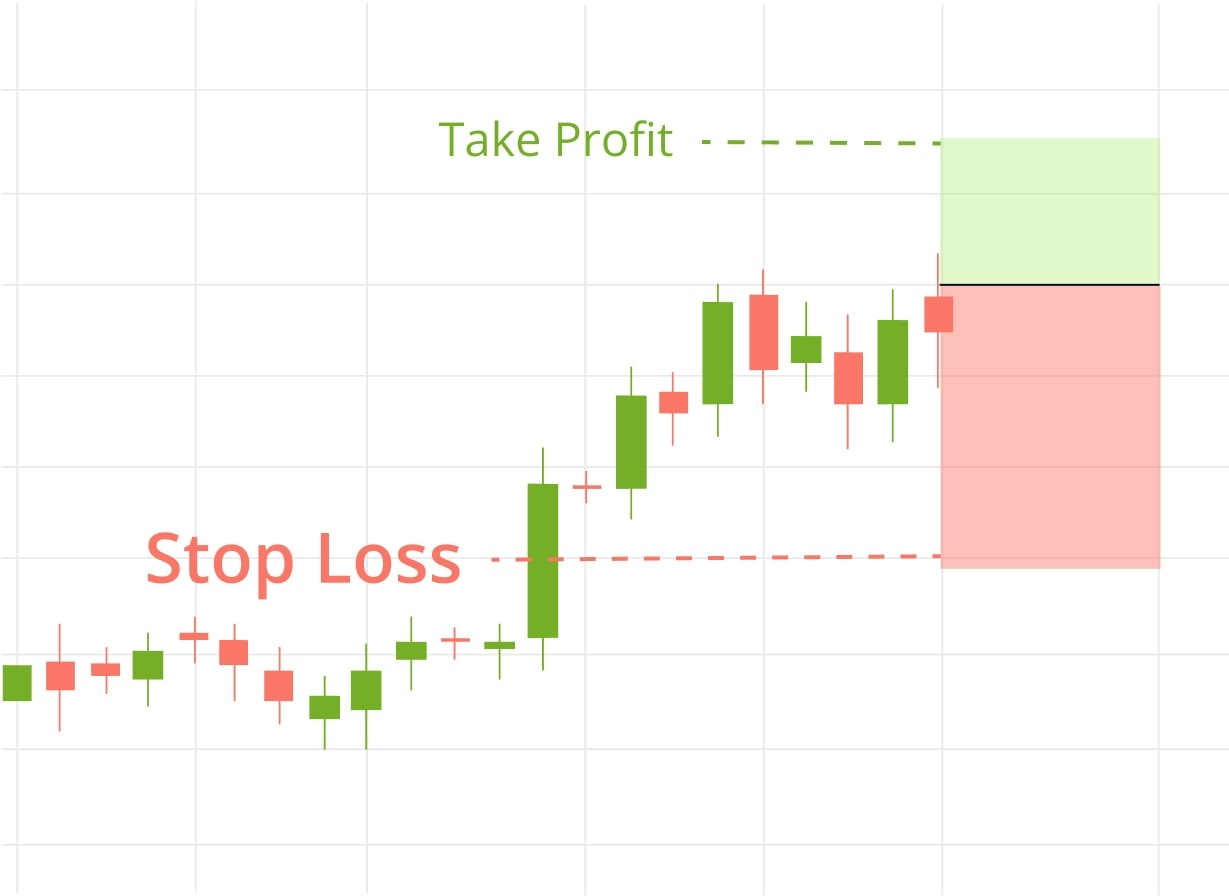
This chart illustrates how stop-loss and take-profit levels work on a price chart, helping visualize entry and exit points.
5. Maintain Favorable Risk-Reward Ratios: Aim for trades where potential rewards outweigh risks, such as a 1:2 ratio (risk $1 to make $2). This ensures that even if you win only half your trades, you can still profit overall.
6. Employ Dollar-Cost Averaging (DCA): Invest fixed amounts at regular intervals regardless of price. This averages out costs over time and reduces the impact of volatility, ideal for long-term holders.
7. Manage Leverage Carefully: If using leveraged trading, keep it low to avoid amplified losses. Understand margin requirements and use it only with strict risk controls.
8. Conduct Thorough Research and Planning: Always plan trades in advance, including entry/exit points. Use fundamental and technical analysis to inform decisions, and stay updated on news via reliable sources.
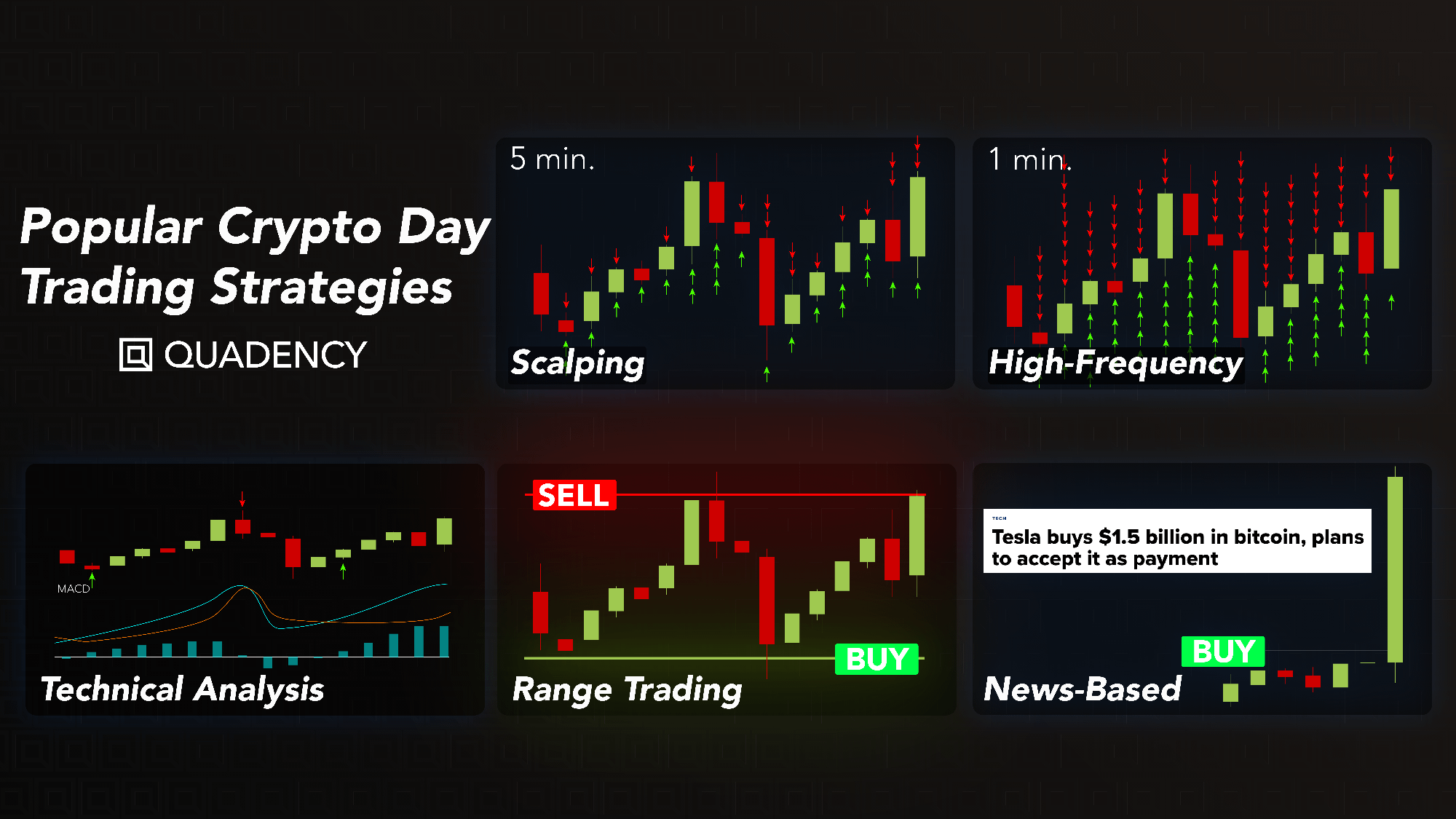
This infographic shows various trading strategies that incorporate risk management elements, like technical analysis for better decision-making.
9. Use Secure Platforms and Monitor Compliance: Trade on regulated exchanges with strong security features. Implement KYC/AML practices and be aware of regulatory risks to avoid legal issues.
10. Review and Adapt Regularly: Keep a trading journal to track performance and adjust strategies based on past outcomes. Periodically reassess your risk tolerance and portfolio.
Implementing these strategies can significantly reduce risks in crypto trading. Remember, no strategy eliminates risk entirely—always trade with money you can afford to lose and consider consulting professionals.