

In today’s crypto world, attention is treated like oxygen. Projects compete for it. Influencers sell it. Narratives are manufactured around it. Every week, something is “the future.” Every month, something else replaces it. Plasma chose a different path. It didn’t try to dominate headlines. It didn’t chase trends. It didn’t promise to revolutionize everything. Instead, it focused on something most builders ignore: making digital money actually usable.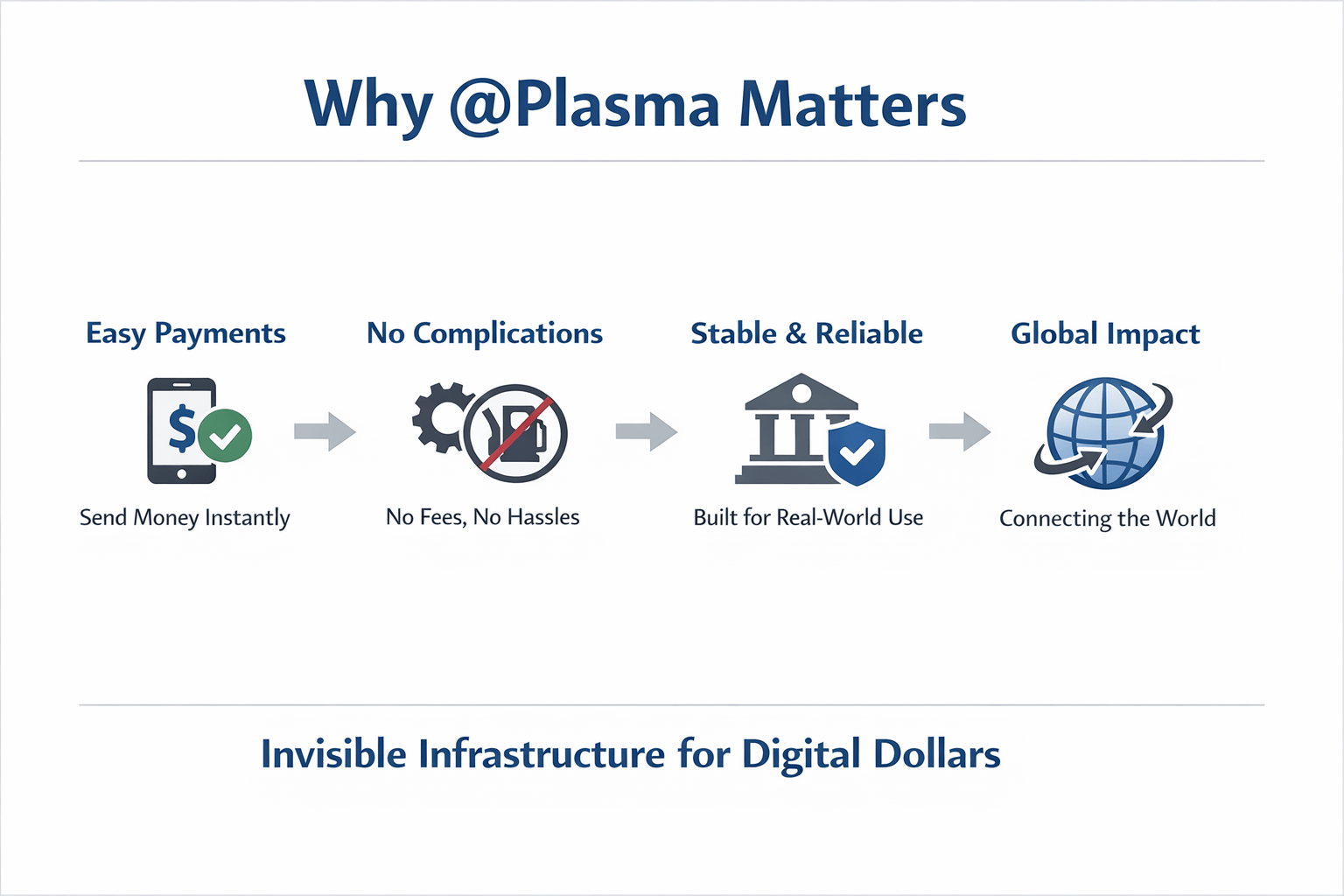
For most people, crypto is still confusing. You need gas tokens. You need to understand networks. You need to estimate fees. You need the right wallet. One small mistake and your money is stuck. For beginners, this doesn’t feel like innovation. It feels like stress. Meanwhile, traditional apps let you send money in two taps. No tutorials. No fear. Plasma noticed this gap early and decided to close it.
While many blockchains focused on speed and speculation, Plasma focused on simplicity. It asked a basic question: why should users care about infrastructure at all? Payments should feel invisible. People shouldn’t think about gas fees, chains, or failed transactions. They should think about one thing only: did my money arrive? With account abstraction and fee sponsorship, Plasma removes unnecessary steps and makes stablecoin transfers feel natural.
This matters more than most people realize. Stablecoins already process trillions of dollars every year. Cross-border payments, remote salaries, online businesses, and digital commerce all rely on moving money quickly. Yet much of this still runs on systems designed for traders, not real users. Plasma is building for workers, freelancers, merchants, and companies that just want payments to work.
Behind the scenes, Plasma is investing in things that rarely trend on social media. Reliability. Scalability. Settlement systems. Compliance readiness. Enterprise-grade infrastructure. These are not exciting buzzwords, but they are what real financial systems depend on. When a company moves millions every day, it doesn’t care about hype. It cares about stability. Plasma understands this.
Think about a simple example. A freelancer in Pakistan works for a client in Europe. Today, payments can take days. Fees eat into income. Banks and intermediaries slow everything down. With proper stablecoin infrastructure, that same payment can arrive in seconds. No middlemen. No delays. No unnecessary losses. At scale, this changes lives. It changes how people work, earn, and grow.
Plasma’s presence on X reflects this mindset. It doesn’t rely on noise. It shares progress. Technical updates. Partnerships. Ecosystem development. It builds in public without performing for attention. In crypto, that is rare. And usually, it is a sign of long-term thinking.
History shows that the loudest projects rarely become the foundations of industries. The real power belongs to infrastructure. Payment networks. Cloud systems. Protocols. They don’t go viral. They become unavoidable. Plasma is positioning itself in that category. Not as a trend, but as a utility.
Most crypto projects revolve around price. When charts go up, communities appear. When charts go down, they disappear. Plasma is building around usage. If people use it, it survives. If they don’t, it doesn’t. There are no shortcuts in that model. It is slower. Harder. But it is honest.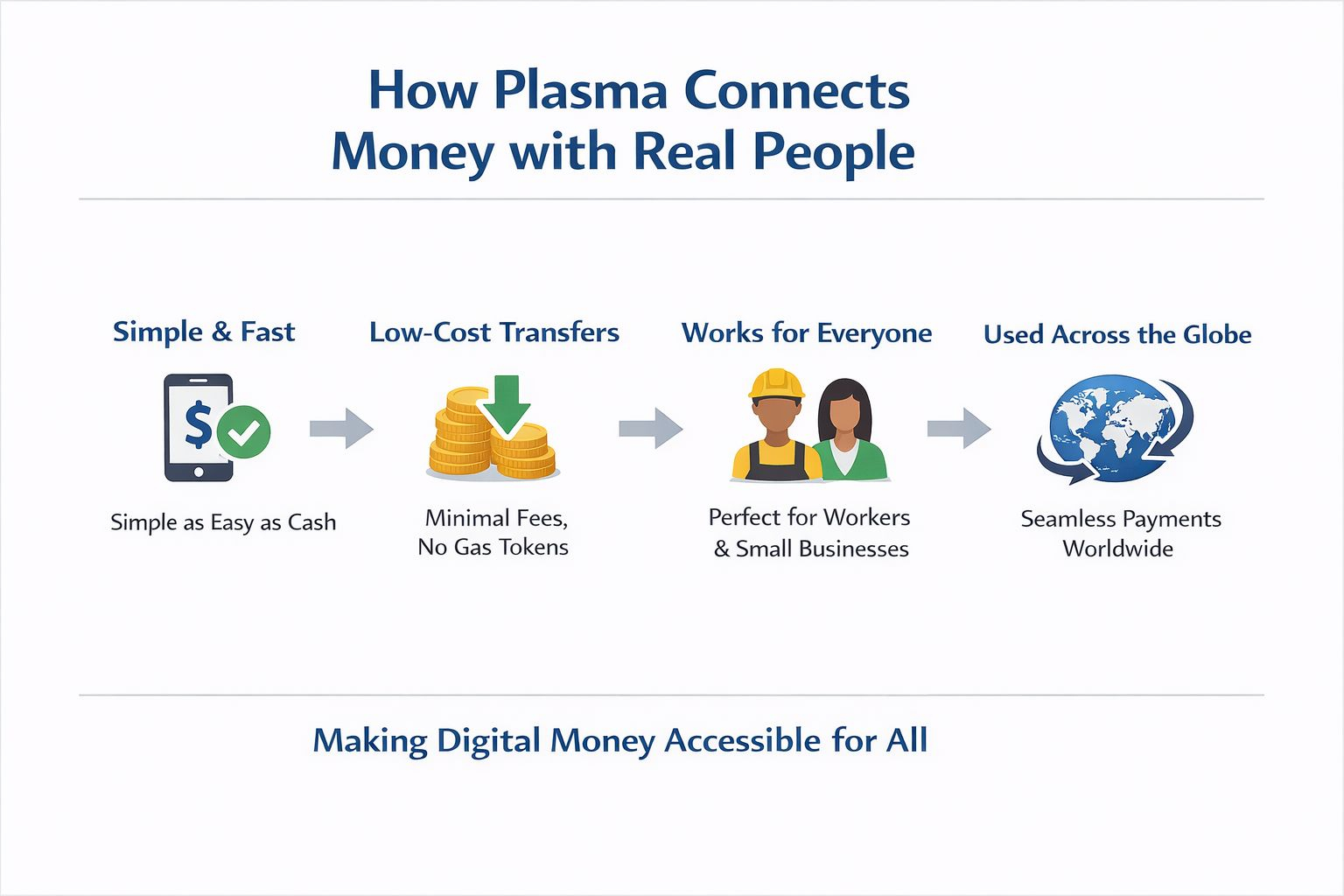
What makes Plasma interesting is not what it is today, but what it is becoming. A settlement layer for digital dollars. A bridge between crypto and real finance. A foundation for global payments. If even a small portion of global remittances and online commerce moves through systems like this, the impact will be massive.
Most people will not notice Plasma for a long time. It will not dominate memes. It will not promise overnight wealth. But one day, many will use it without realizing it. Their salaries will arrive faster. Their transfers will cost less. Their payments will just work.
And that is the point.
The best infrastructure is invisible.
Plasma is building that future quietly, patiently, and systematically.
And that is exactly why it matters.