In 2026, on-chain data shows stablecoins consistently settling $60+ billion per day, even outside of major market events. That translates into multiple trillions of dollars per year moving through public blockchains. What’s changed recently isn’t just volume. It’s purpose. More of these transfers are tied to business payments, treasury rebalancing, cross-border settlements, and internal accounting, not speculative trading.
That shift exposes a problem. Most blockchains were built to be flexible platforms, not dependable payment rails. Flexibility is great for experimentation, but payments need something else entirely: speed, finality, and cost predictability. That’s the gap Plasma is trying to fill.
Plasma is a stablecoin-first Layer 1, and that focus shows up in its architecture. The network isn’t optimized around chasing peak TVL or complex DeFi composability. It’s optimized around moving stablecoins efficiently, thousands of times per second, without drama.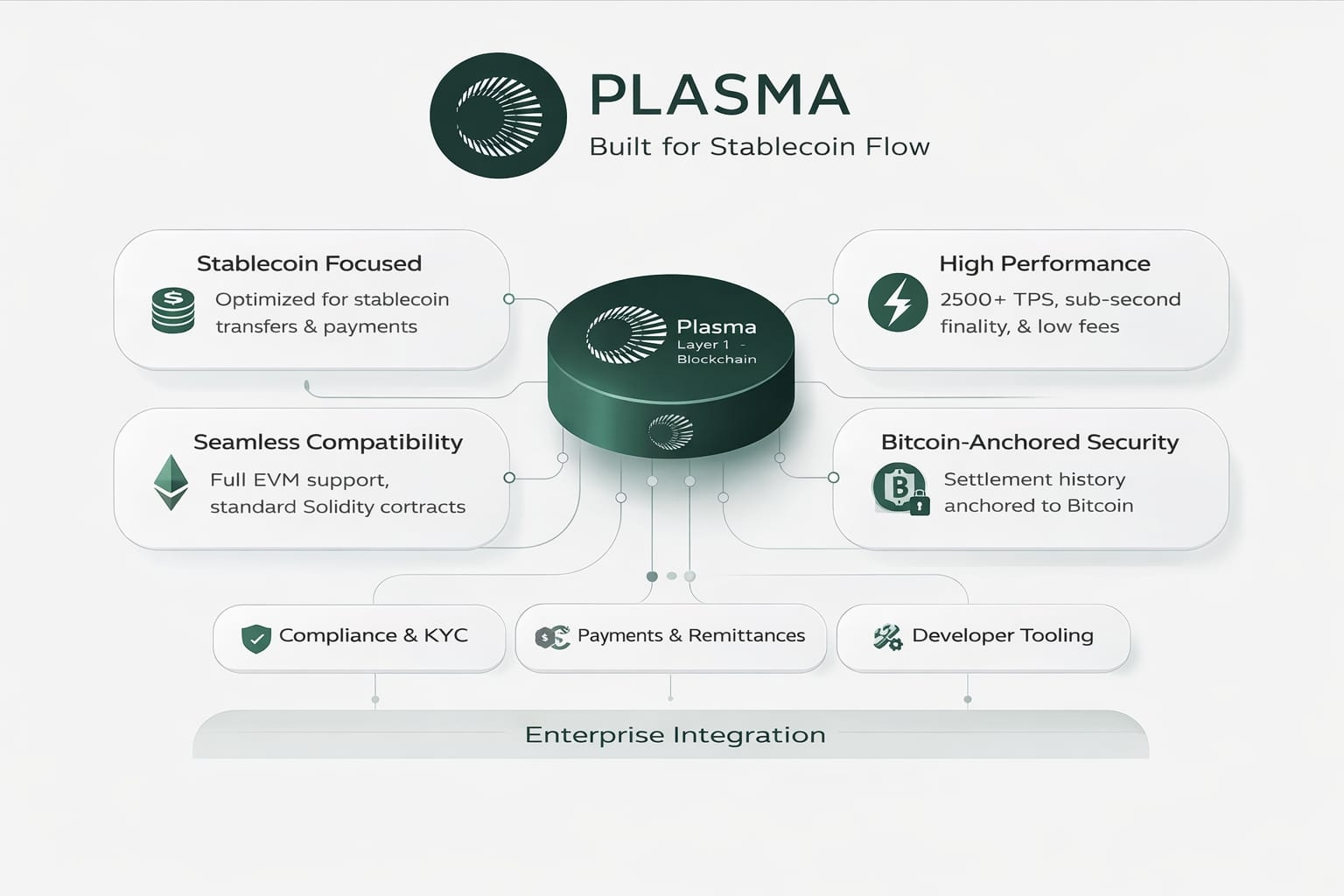
From a performance standpoint, Plasma has demonstrated sustained throughput above 2,500 transactions per second, with testing showing the network remains stable as load increases. More importantly, PlasmaBFT delivers sub-second finality. That’s not a bragging metric. It changes how systems behave. When settlement is effectively instant, businesses don’t need buffers, retries, or manual reconciliation. The transfer is done, and everyone moves on.
Fees tell a similar story. Network-level metrics indicate average transaction costs staying in the low-cent range, even during higher activity periods. Teams testing payment-heavy workflows on Plasma report 50–65 percent lower settlement costs compared to using general-purpose smart contract chains under congestion. Over thousands of transactions, that difference becomes material.
Another reason Plasma feels grounded is its full EVM compatibility. There’s no new virtual machine, no exotic developer experience. Solidity contracts deploy cleanly. Existing wallets and infrastructure work as expected. As a result, the applications appearing first aren’t flashy. They’re practical: invoicing systems, escrow flows, automated payouts, and merchant payment logic. That’s usually a good sign. Infrastructure adoption rarely starts with spectacle.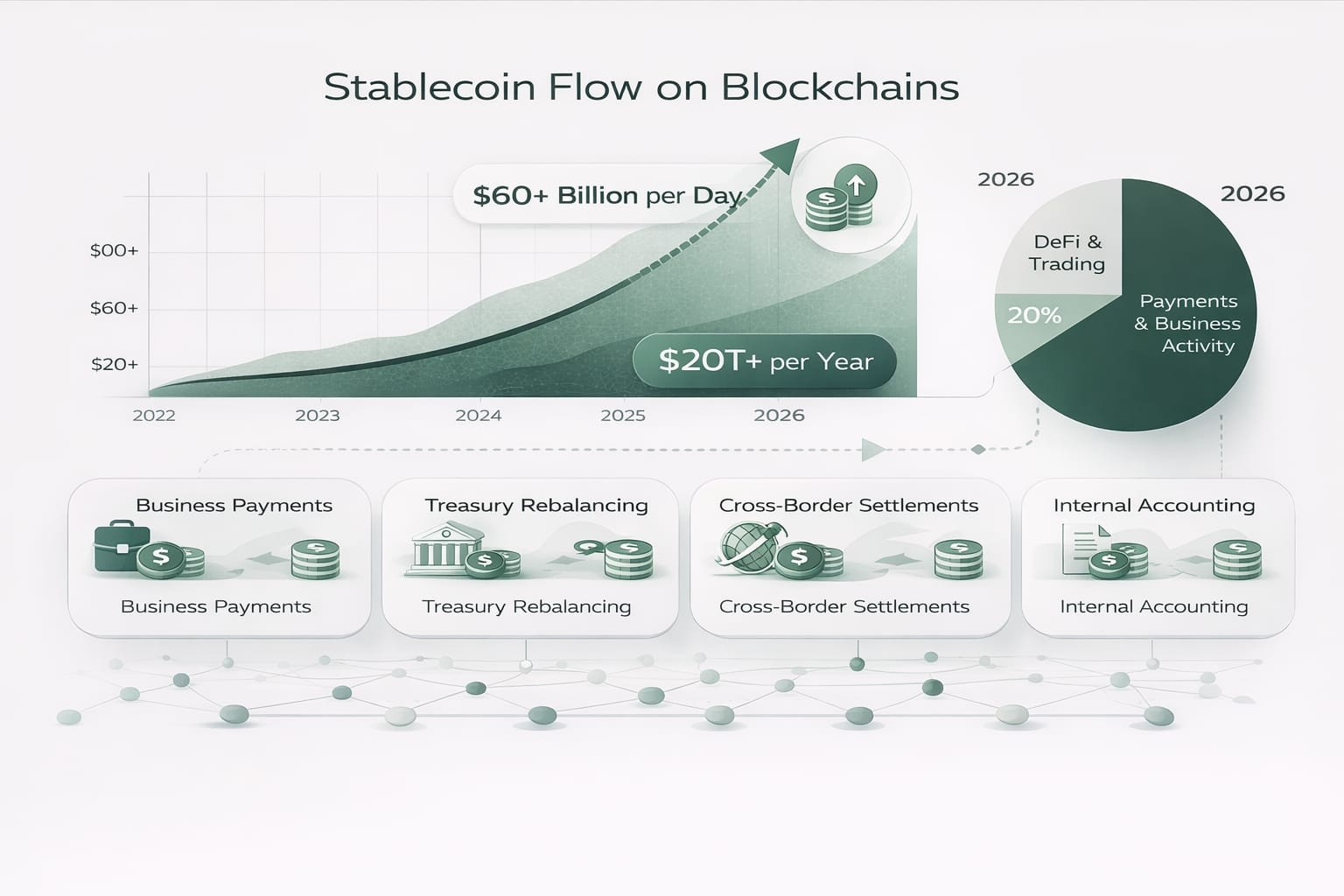
Security is where Plasma takes a long-term view. By anchoring state commitments to Bitcoin, Plasma ties its settlement history to the most battle-tested blockchain in existence. That doesn’t eliminate risk, but it raises the cost of rewriting history significantly. For a chain aiming to support real-world financial flows, that kind of external security reference matters.
Usage patterns suggest this approach is resonating. Active addresses and daily transaction counts continue to trend upward steadily, not in short-lived incentive spikes, but in consistent increments. That kind of growth usually reflects repeat behavior. People using the network because it works, then coming back to use it again.
There are still real challenges ahead. Stablecoin regulation remains a moving target, and Plasma’s growth is closely linked to issuer compliance and regional policy decisions. Competition from L2s and modular payment stacks is also intense, even if those solutions rely on more complex trust assumptions.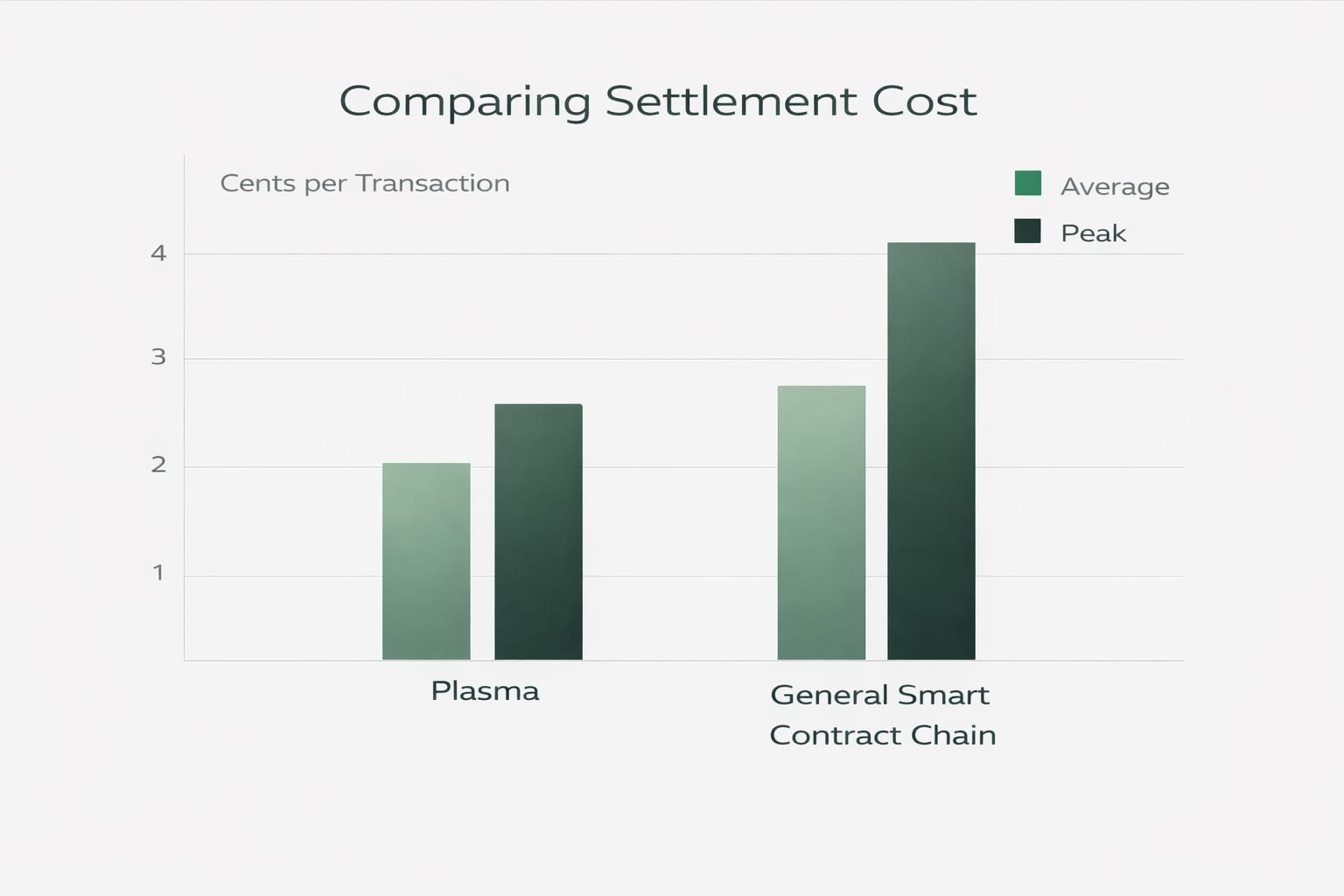
Still, the direction feels aligned with reality. Stablecoins are already acting as global financial rails. Plasma is building infrastructure that assumes that’s the present, not the future.
And in payments, boring usually wins.

Άρθρο
Plasma, Built for Stablecoin Flow
Αποποίηση ευθυνών: Περιλαμβάνει γνώμες τρίτων. Δεν είναι οικονομική συμβουλή. Ενδέχεται να περιλαμβάνει χορηγούμενο περιεχόμενο. Δείτε τους Όρους και προϋποθέσεις.
0
3
117
Εξερευνήστε τα τελευταία νέα για τα κρύπτο
⚡️ Συμμετέχετε στις πιο πρόσφατες συζητήσεις για τα κρύπτο
💬 Αλληλεπιδράστε με τους αγαπημένους σας δημιουργούς
👍 Απολαύστε περιεχόμενο που σας ενδιαφέρει
Διεύθυνση email/αριθμός τηλεφώνου