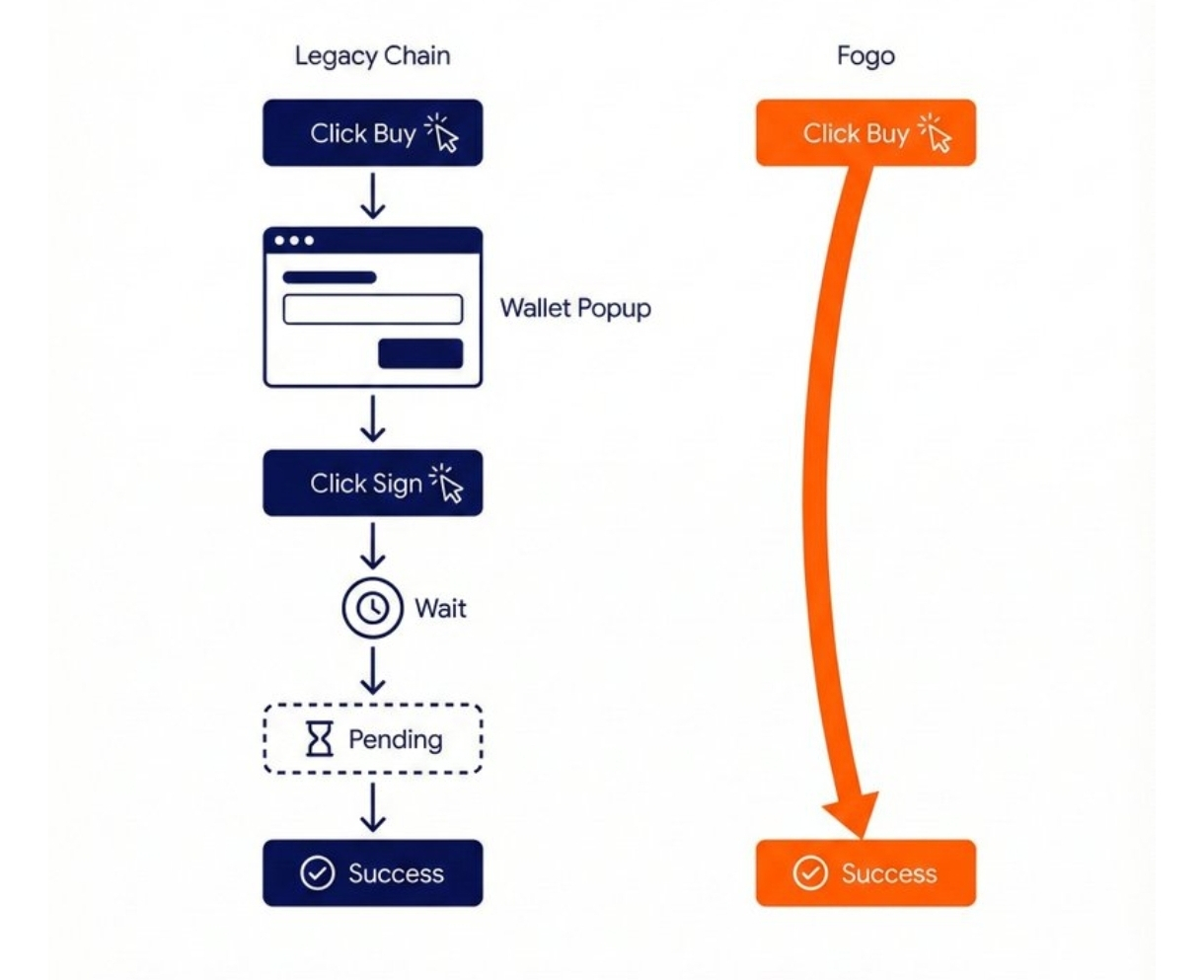
Lately I’ve been noticing a pattern in crypto that feels different from the usual cycles. Not price cycles, I mean architecture cycles.
For years the conversation was simple, Ethereum vs everything else. Then came the modular era, where everyone suddenly cared about rollups, data availability layers, execution layers, and terms that honestly most normal users never asked for. Somewhere in between, Solana carved out its own lane, not modular, not rollup heavy, just fast execution and a very opinionated design.
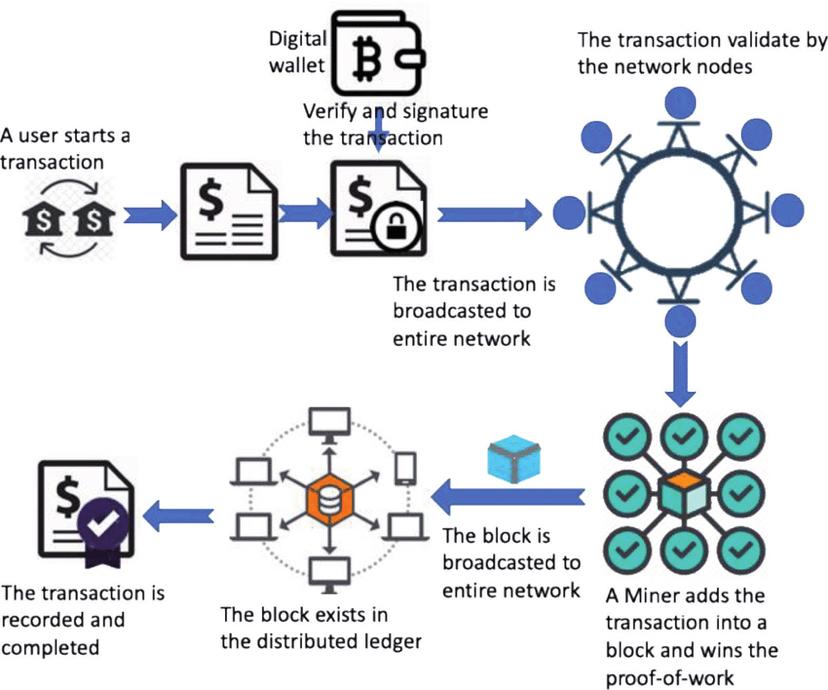
And now something interesting is happening.
Instead of new chains trying to reinvent the virtual machine from scratch, they’re starting to reuse what already works. That’s exactly where Fogo caught my attention, an L1 blockchain built using the Solana Virtual Machine, SVM.
At first I ignored it. Another L1, we’ve seen hundreds. But the more I looked into the idea, the more it felt less like another chain and more like a shift in how blockchains might actually scale.
The thing I’ve noticed about crypto builders is they eventually converge on practicality. Ideology lasts only until users show up. When users come, performance matters more than philosophy.
Ethereum proved decentralization and programmability.
Solana proved speed and usability.
Now projects like Fogo are trying to ask a different question, what if you separate the execution engine from the brand of the chain?
In simple terms, Fogo is an independent Layer 1 network, but instead of inventing its own smart contract environment, it runs on the Solana Virtual Machine, the same execution environment responsible for Solana’s performance. So developers familiar with Solana tooling don’t have to relearn everything.
From what I’ve seen, this is a pretty big deal.
The virtual machine is basically the brain of a blockchain. It’s what actually executes smart contracts. Ethereum has the EVM. Solana has the SVM. Most people don’t think about it, but developers care about it a lot, because switching VMs means switching programming models, tooling, security assumptions, and even how apps are designed.
That’s why the EVM dominated for so long. Not because it was the fastest, but because it became familiar.
SVM is now starting to reach that same point.
What stands out to me is that Fogo isn’t trying to compete with Solana directly. It’s more like taking the same engine and putting it into a different car.
I’ve noticed one recurring issue with fast blockchains, when a single network becomes popular, it gets crowded very quickly.
We’ve already seen this play out during NFT waves and meme seasons. One application goes viral and suddenly everyone shares the same blockspace. Even fast chains start feeling slow because demand spikes harder than expected.
So the natural next step isn’t always making one chain infinitely scalable. Sometimes it’s multiplying execution environments.
This is where Fogo makes conceptual sense to me. Instead of forcing everything onto one highway, it builds another highway, but using the same driving rules.
Developers who know SVM can deploy there without rewriting their entire application logic.
Another angle I keep thinking about is developer psychology.
Most builders don’t actually care about which chain wins. They care about where their users are and how easy it is to ship updates. Learning a new ecosystem from zero is expensive in time and mental energy. That’s why ecosystems matter more than raw technology.
SVM has a specific design, parallel execution.
Instead of processing transactions one by one like traditional blockchains, SVM allows multiple transactions to run simultaneously if they don’t conflict. This sounds technical, but the real world impact is simple, higher throughput without waiting lines.
I’ve used apps on chains that queue transactions during activity spikes, and honestly that’s when users disappear. People don’t leave because of decentralization debates. They leave because an action takes 40 seconds.
From what I understand, Fogo is betting that this execution model is portable, that the SVM design can exist beyond Solana itself.
This is where things get interesting.
We might be moving toward a world where chains matter less than execution environments, almost like operating systems. Windows and Linux run on many different computers, but the software compatibility matters more than the hardware.
In that analogy, SVM becomes an operating system for blockchains.
If multiple independent L1s run the same VM, liquidity, tooling, and developer knowledge could spread much faster across networks.
I’ve been watching how EVM chains grew, once one succeeded, dozens followed because apps could migrate easily. If SVM chains start multiplying, we might see the same network effect play out again, but focused on performance first applications.
Another thing I personally find refreshing is the focus on real usage rather than narrative battles.
For a long time, L1 discussions were ideological, decentralization purity, maximalism, tribalism. Now builders seem more focused on user experience. Fast confirmations, predictable fees, smooth apps. Basically things normal users actually notice.
When I think about gaming, social apps, or on chain orderbooks, I struggle to imagine them working smoothly on slow execution environments. They need consistent performance, not just occasional speed.
This is probably the type of workload Fogo is positioning itself for.
I don’t see it as trying to replace Ethereum or Solana. More like expanding the category of high performance execution networks.
I’ve also learned something from previous cycles, markets don’t reward chains immediately. They reward activity.
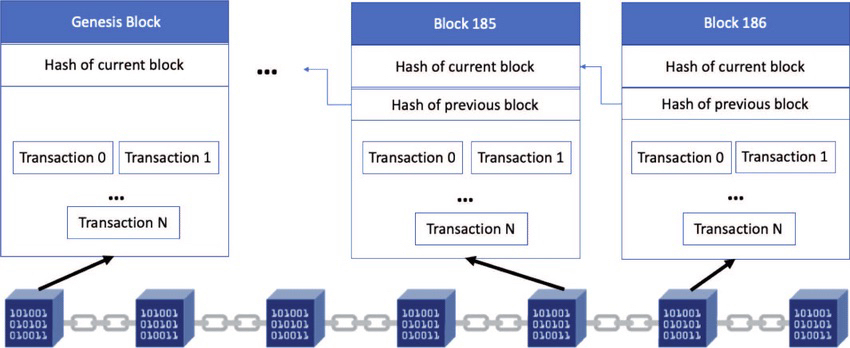
A chain becomes relevant when users forget they’re using a blockchain at all. When wallets feel like accounts and transactions feel like button clicks. We’re not fully there yet, but performance oriented environments move us closer.
Fogo’s approach feels aligned with that direction, less focus on theoretical capacity and more on execution architecture.
Of course there are open questions.
Security is always the long term test for any new L1. Also liquidity fragmentation is a real issue in crypto, every new network risks spreading users thinner. I don’t think technology alone solves that. Ecosystems do.
Still, I’ve noticed that infrastructure experiments often look unnecessary at first. Rollups looked unnecessary once too. Now they’re everywhere.
Sometimes the important shift isn’t visible in prices. It’s visible in how developers choose where to build.
Where I land personally is this.
Fogo isn’t exciting because it’s another chain.
It’s interesting because it reflects a change in thinking, the idea that execution engines themselves can become shared standards across multiple blockchains. Instead of one dominant network scaling forever, we might see many specialized networks running compatible environments.
If that happens, the competition between chains might slowly turn into collaboration between ecosystems.
And honestly, that makes the future of crypto feel a bit more practical to me. Less about winning narratives, more about building systems people actually use without thinking about the technology underneath.
I’m not treating it as a guaranteed success. But it’s one of those projects that quietly signals where builders’ minds are going.
And in crypto, watching the builders has usually taught me more than watching the charts.