
@Fabric Foundation #ROBO $ROBO


Introduction
Fabric Protocol is an emerging decentralized infrastructure designed to coordinate, govern, and operate general-purpose robots through blockchain and artificial intelligence. Instead of robots functioning as isolated machines owned by single companies, Fabric aims to connect them into a shared global network where they can collaborate, transact, and evolve as autonomous digital-physical agents.
What Is Fabric Protocol?
Fabric Protocol is described as a global open network for building, managing, and governing general-purpose robots. At its core, the system combines AI, blockchain verification, and distributed computing to allow robots to interact securely with humans and other machines.
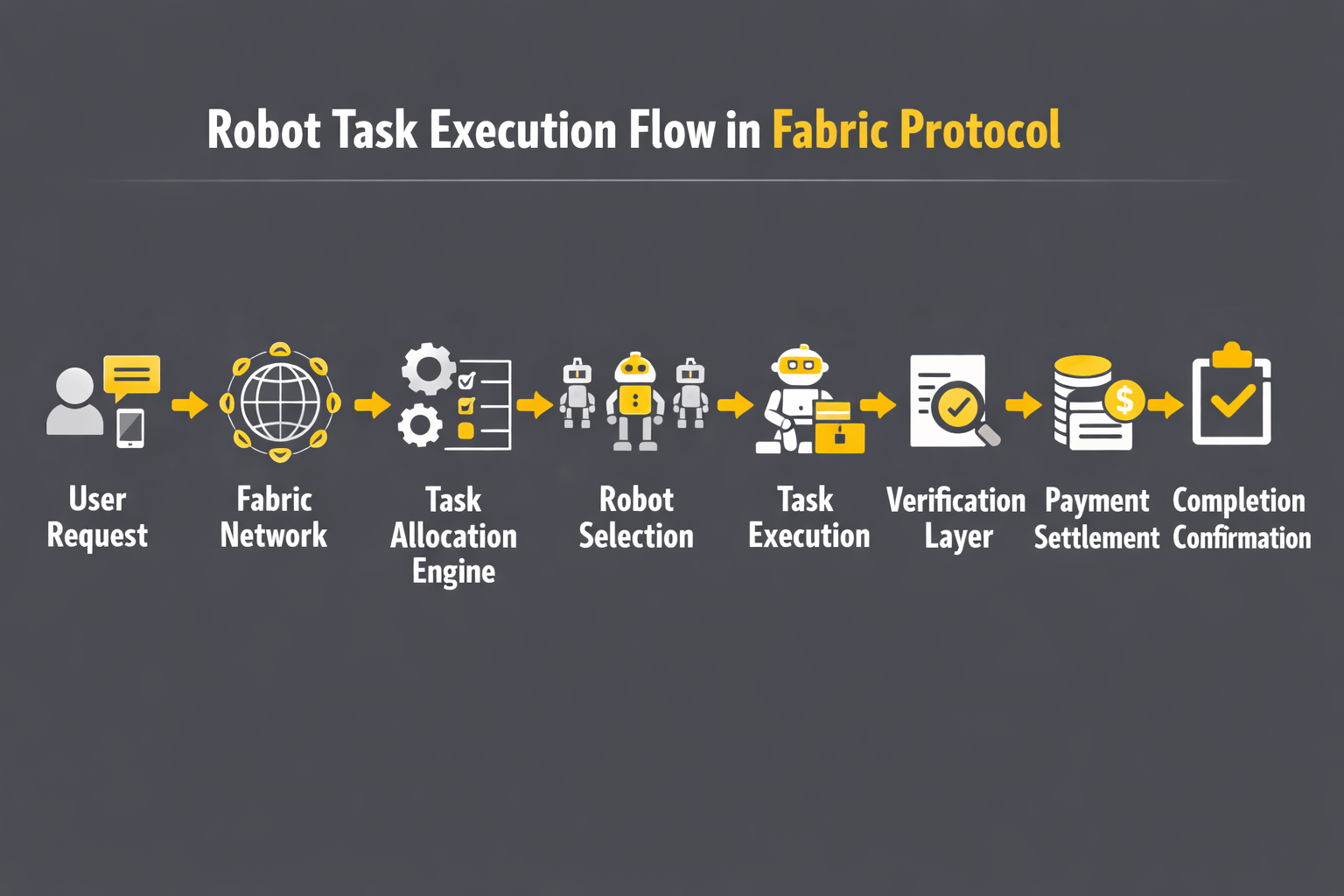
Traditional robotic systems typically operate inside closed ecosystems controlled by one organization. Fabric proposes a different approach: a decentralized coordination layer where robots can be deployed, assigned tasks, and paid through on-chain mechanisms. This transforms robots from static hardware assets into independent economic participants capable of performing real-world tasks in a transparent marketplace.
The Vision: A Shared Robot Economy
The long-term vision is a global robotic workforce connected through a common protocol. In this model, developers, companies, and individuals could contribute robots, software, or computing power into one interoperable ecosystem.
Fabric acts as a coordination layer linking cloud compute, AI models, and real robots in a unified environment, allowing developers to control and train machines through a single interface. If successful, this would allow robots from different manufacturers and locations to collaborate seamlessly on complex tasks—similar to how the internet connects computers worldwide.
Technology Architecture
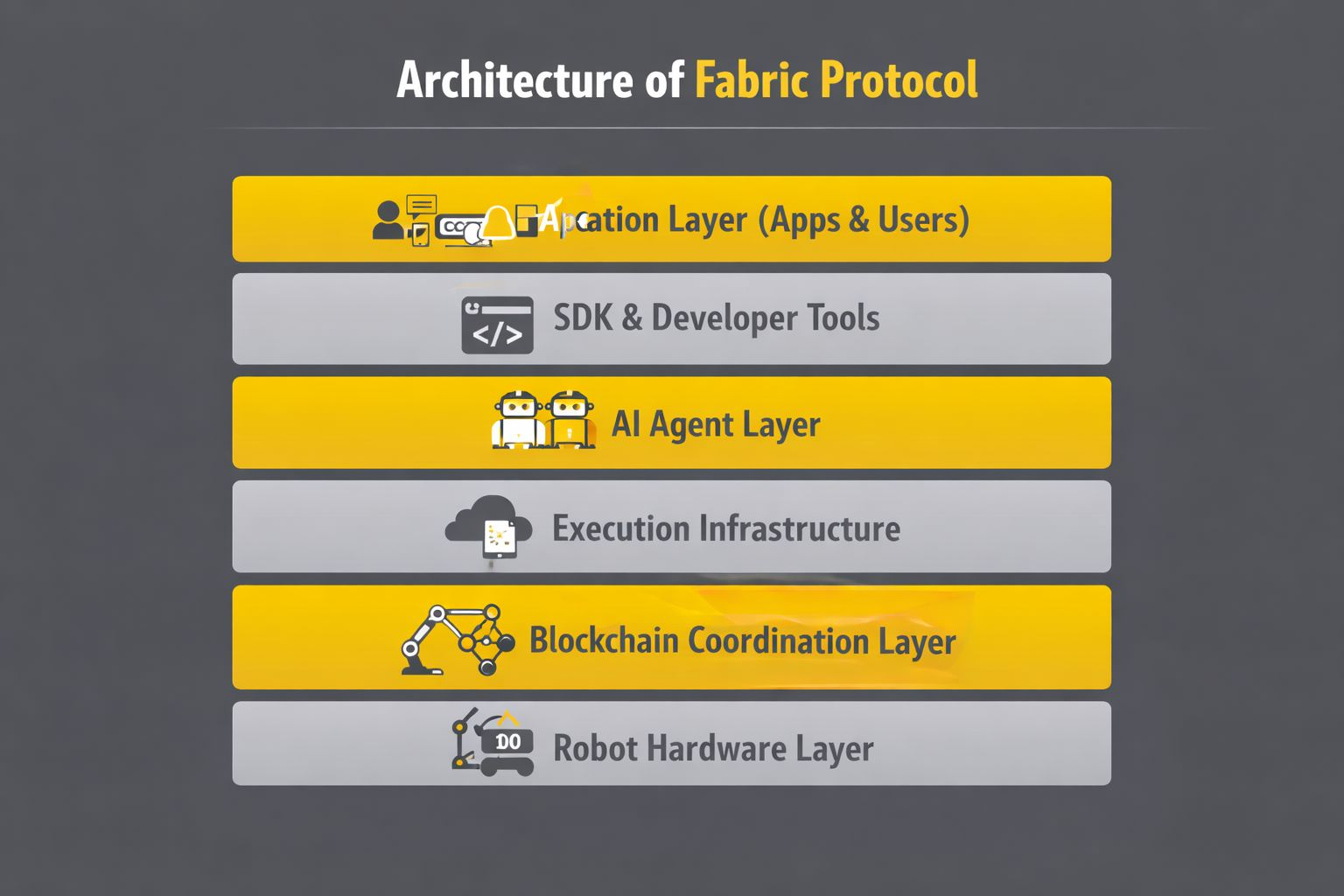
Fabric’s system is composed of several technical layers working together:
Execution infrastructure: Generates secure virtual environments or robot control nodes on demand.
Developer SDK: Tools for creating agents that can run simulations or operate physical robots.
On-chain coordination: Handles identity verification, task allocation, and payment settlement.
The protocol initially runs on an Ethereum-compatible environment and may later migrate to its own blockchain as adoption grows.
Governance and Ecosystem
Fabric was originally developed by an AI-focused team but governance has been shifted toward a foundation-style structure to promote neutrality and decentralization. The ecosystem is supported by contributors with backgrounds in robotics, distributed systems, and machine learning, alongside early-stage backing from technology investors.
Its native token, ROBO, powers payments, staking, governance, and network coordination functions within the ecosystem.
Why It Matters
Fabric Protocol represents a shift in how robotics infrastructure could evolve. Instead of proprietary robot fleets locked behind corporate walls, it proposes a shared global platform where machines collaborate, earn, and improve collectively.
The concept is still early-stage and faces technical and adoption challenges, but if realized, it could become foundational infrastructure for the next generation of intelligent automation—potentially doing for robots what open networks did for computers and mobile devices.