
@Fabric Foundation #ROBO $ROBO


Introduction
Robotics and artificial intelligence are often seen as fields reserved for elite universities, large corporations, and well-funded laboratories. The Non-Profit Fabric Foundation is working to change that perception by making advanced technology education, tools, and research opportunities accessible to a wider global community. Its mission centers on removing financial, educational, and geographic barriers so that students, developers, and innovators from all backgrounds can participate in shaping the future of intelligent machines.
Expanding Access to Technology
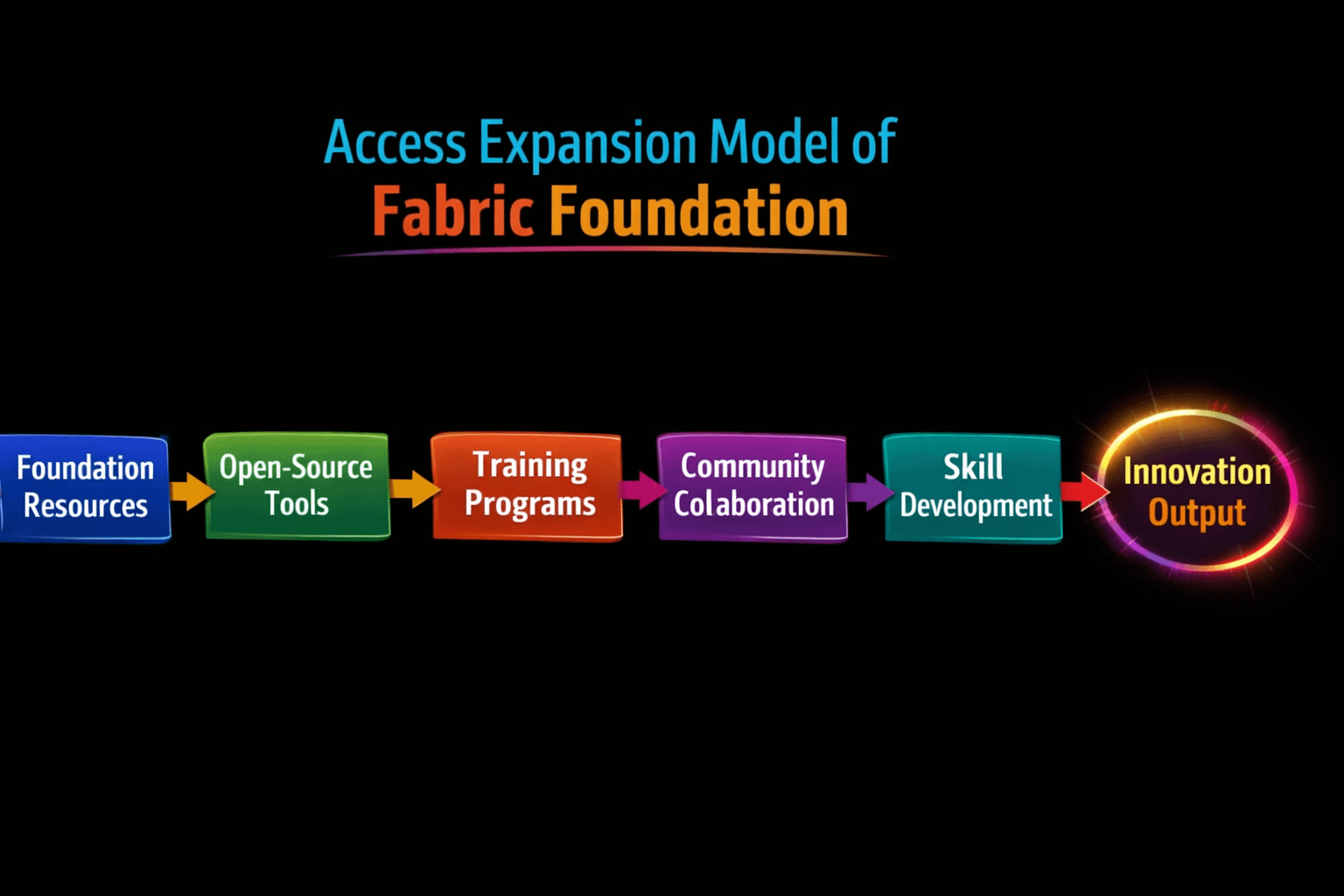
One of the foundation’s most important contributions is providing open resources. Through free learning modules, public research publications, and open-source robotics frameworks, it allows learners to experiment without costly licenses or proprietary restrictions. This approach ensures that a student in a small town has the same opportunity to explore robotics programming as someone studying in a well-funded urban institution. By prioritizing accessibility, the organization shifts technological development from a closed ecosystem to a shared global effort.
Supporting Education and Skill Development
The Fabric Foundation invests heavily in educational outreach. Workshops, online bootcamps, and mentorship initiatives help beginners build practical skills in machine learning, automation, and hardware design. Rather than focusing only on theory, its programs emphasize hands-on experimentation. Participants might assemble simple robotic systems, train AI models, or collaborate on real-world problem-solving projects. This practical exposure accelerates learning and prepares participants for academic research, entrepreneurship, or technical careers.
Encouraging Open Collaboration
A defining feature of the foundation’s work is its collaborative philosophy. It brings together engineers, students, researchers, and hobbyists in shared development spaces where ideas can be tested collectively. Such collaboration not only improves innovation speed but also reduces duplication of effort. When designs, code, and findings are openly shared, progress compounds. The result is a community-driven ecosystem where breakthroughs can emerge from unexpected places, not just established laboratories.
Bridging the Global Innovation Gap
Technological inequality remains a major challenge worldwide. Many regions lack access to advanced labs, specialized equipment, or trained instructors. The Fabric Foundation addresses this by forming partnerships with schools, community centers, and local organizations. It provides starter kits, training materials, and guidance so communities can establish their own robotics programs. This localized empowerment model helps cultivate talent in regions traditionally excluded from high-tech development, gradually narrowing the innovation gap.
Ethical and Inclusive Development
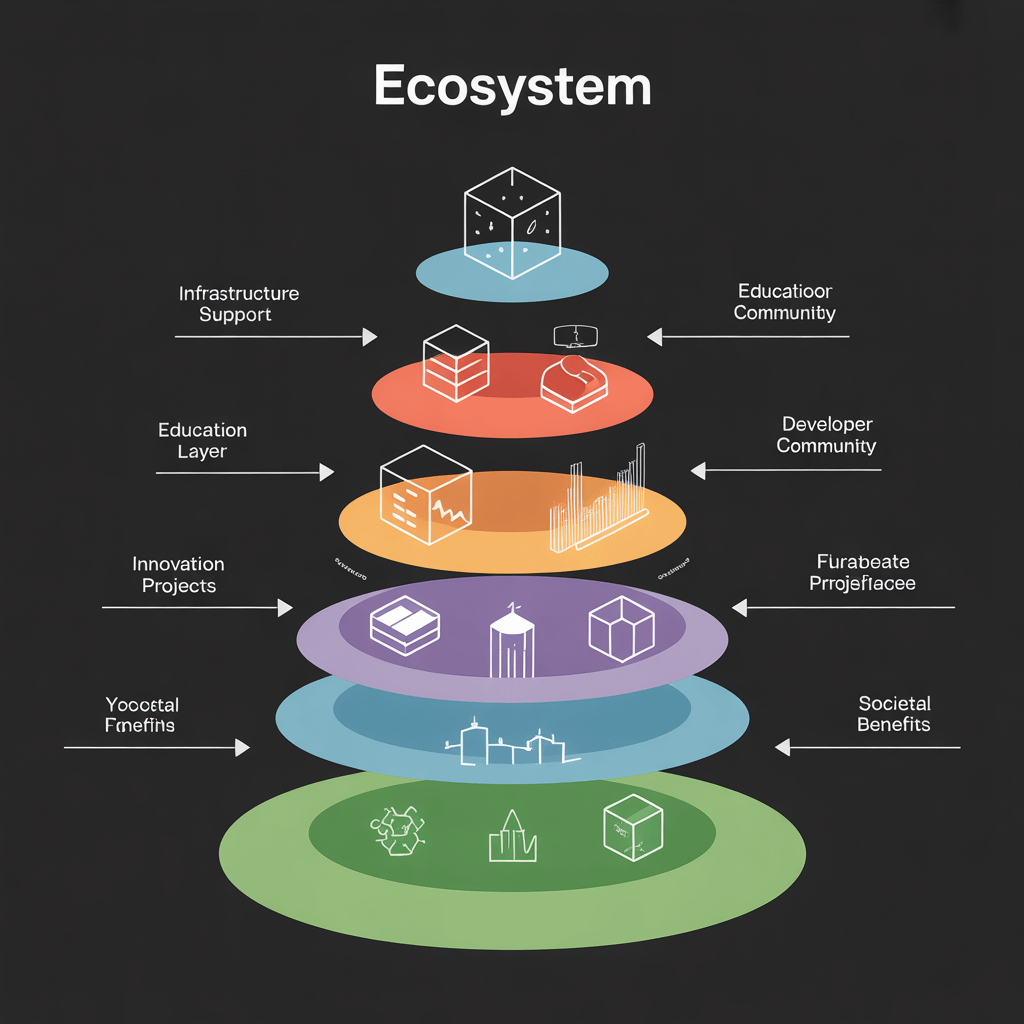
Beyond technical training, the foundation promotes responsible AI principles. Its programs include discussions on ethics, transparency, and societal impact. Participants learn not only how to build intelligent systems but also how to evaluate their consequences. This ensures that future developers approach robotics and AI with a mindset focused on fairness, safety, and public benefit.
Conclusion
The Non-Profit Fabric Foundation demonstrates that democratizing advanced technology is both possible and necessary. By combining open resources, community collaboration, education, and ethical awareness, it enables broader participation in robotics and AI innovation. Such initiatives are essential for ensuring that the technologies shaping tomorrow are created not by a privileged few, but by a diverse global community whose ideas reflect the needs of all.