
As we navigate the 2026 market, the conversation has shifted from purely digital AI to Physical AI. While LLMs have mastered text, the next frontier is giving these "brains" a body. This is where FabricFND (Fabric Foundation) is establishing itself as the essential infrastructure for the next decade.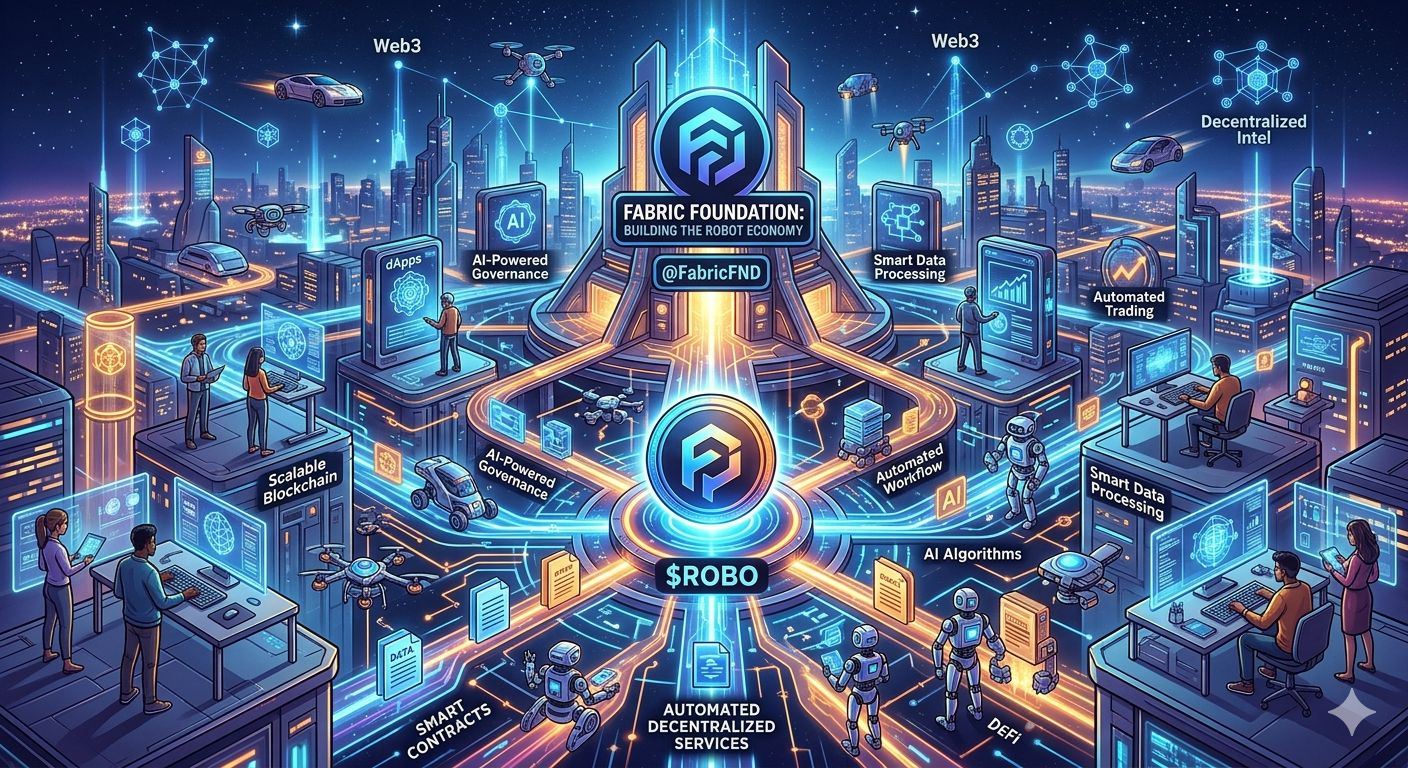
Moving Beyond the "Silo" Problem
Until now, the robotics industry has been a collection of "walled gardens." A robot from one manufacturer couldn't easily communicate or trade value with a robot from another. Fabric Foundation is breaking these barriers by creating a Decentralized Robot Economy.
By providing every machine with a unique On-Chain Identity (DID) and a digital wallet, Fabric allows robots to become autonomous economic actors. Imagine a world where a delivery drone can independently pay a charging station for power or a factory arm can "buy" a software upgrade from a developer—all without human intervention.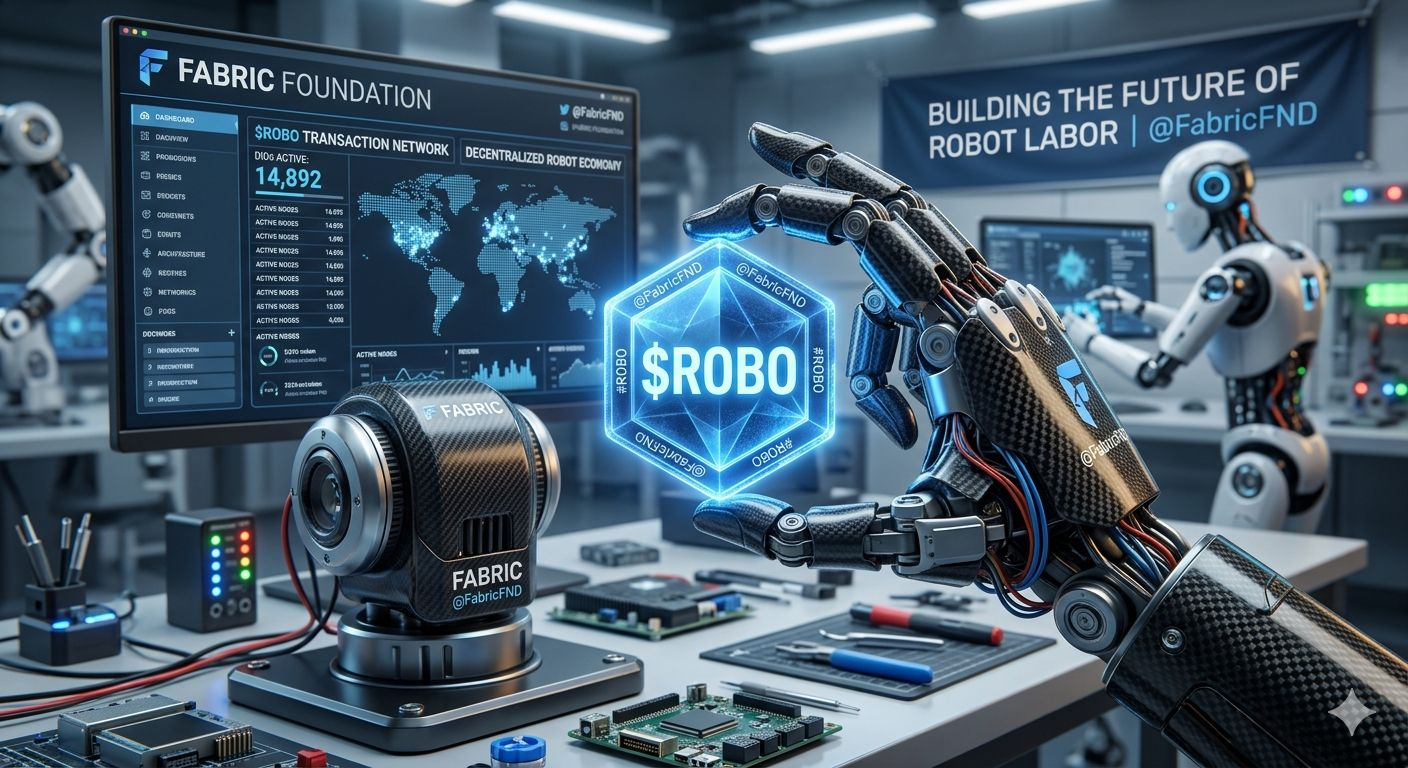
The Role of ROBO
The ROBO token is the lifeblood of this ecosystem. It isn't just a speculative asset; it serves three critical functions:Settlement: The medium of exchange for robotic tasks and services.Proof of Robotic Work (PoRW): Ensuring that a robot actually completed its assigned task before payment is released.
Governance: Allowing the community to vote on the evolution of the protocol, ensuring it remains an open-source public good rather than a corporate monopoly.
Why It Matters Now
With the recent TGE and listings on major platforms like Binance, ROBO has moved from a vision to a liquid reality. As humanoid robots become more common in logistics and caregiving throughout 2026, the demand for a neutral, decentralized coordination layer will only grow.#ROBO $ROBO @Fabric Foundation
