

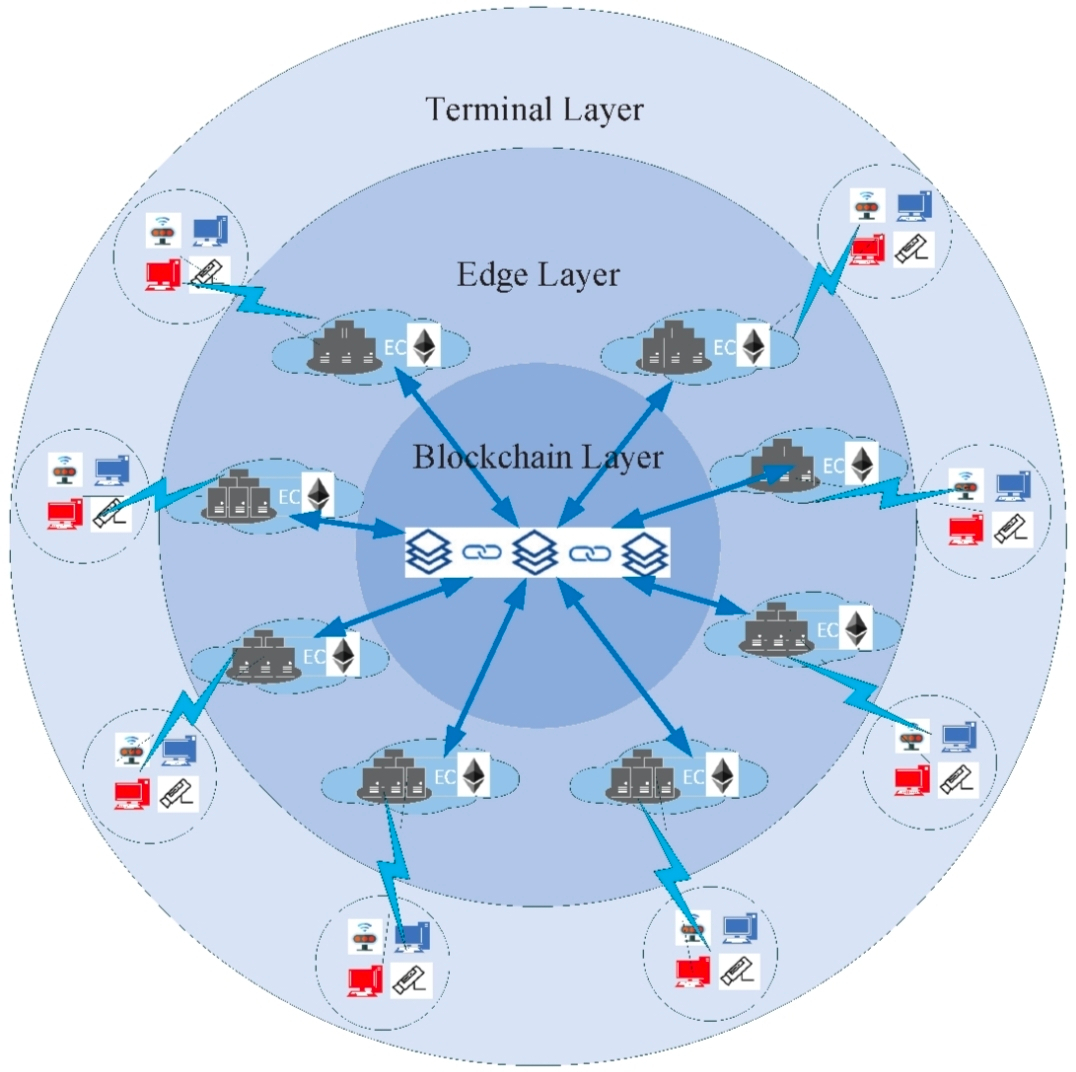
 When I first started reading about Midnight Network, I thought it was just another privacy-focused crypto project. The industry already has many projects trying to hide transactions or make wallets anonymous. But the more I looked into Midnight, the more I realized the idea behind it is slightly different. Instead of only focusing on hiding data, Midnight is trying to change how privacy works inside blockchain applications.
Most blockchains today follow a very simple rule: everything is transparent. If you look at networks like Bitcoin or Ethereum, almost every transaction can be tracked. Wallet balances are visible, smart contracts run publicly, and anyone can analyze the activity on the chain. This openness is actually what made blockchain trustworthy in the first place. Nobody needs to rely on a central authority because the system is fully visible.
But transparency also creates an uncomfortable problem.
In the real world, not everything should be public. Businesses have confidential agreements, individuals have personal financial details, and organizations handle sensitive data every day. If all that information becomes permanently visible on a blockchain, it becomes very difficult for serious applications to use the technology.
That is where Midnight introduces an idea that feels quite practical: programmable privacy.
Instead of saying “everything must be private” or “everything must be public,” Midnight allows developers to decide how privacy should work inside their applications. Some data can stay private, some data can be verified without being revealed, and some information can be shared only when certain conditions are met. In simple terms, privacy becomes something developers can design into their applications rather than something they struggle to protect later.
A big part of making this possible comes from a cryptographic technique called Zero-Knowledge Proofs. When I first heard about this concept, it sounded almost strange. The idea is that someone can prove something is true without revealing the actual information behind it. For example, you could prove that you meet certain financial requirements without exposing your full financial history.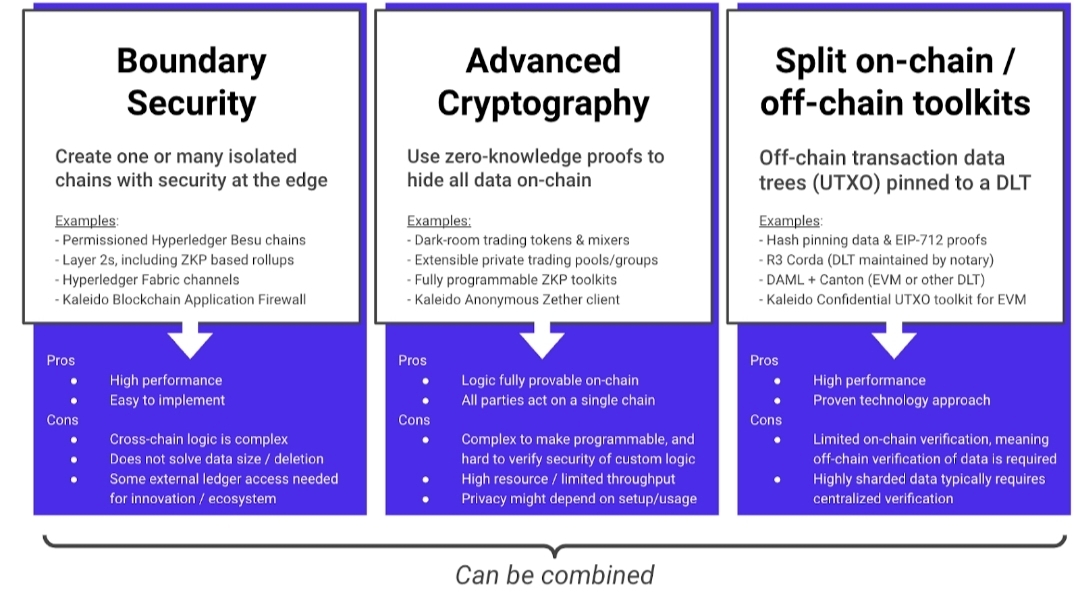 Midnight uses this idea as a core part of its architecture. Instead of placing all raw data directly on the blockchain, certain computations can happen privately. The network only receives proof that the computation was correct. That proof is enough for the blockchain to verify that everything follows the rules.
This may sound like a technical detail, but it changes a lot about what blockchain applications can actually do.
Imagine a lending platform running on Midnight. Normally, a system would need access to your financial data to decide whether you qualify for a loan. On a public blockchain, exposing that information would be risky. With programmable privacy, the system could simply verify that you meet the requirements without revealing your entire financial profile.
The same logic could apply to identity systems as well. Instead of uploading personal information to a public ledger, a user could prove certain facts about themselves like being over a certain age or meeting regulatory requirements without sharing the underlying documents.
Another interesting aspect of Midnight is that it does not try to exist completely alone. The network is connected to the broader Cardano ecosystem. From what I understand, Midnight can act almost like a specialized privacy layer. Other networks can still handle asset transfers, liquidity, or infrastructure, while Midnight focuses on confidential computations that require stronger privacy protections.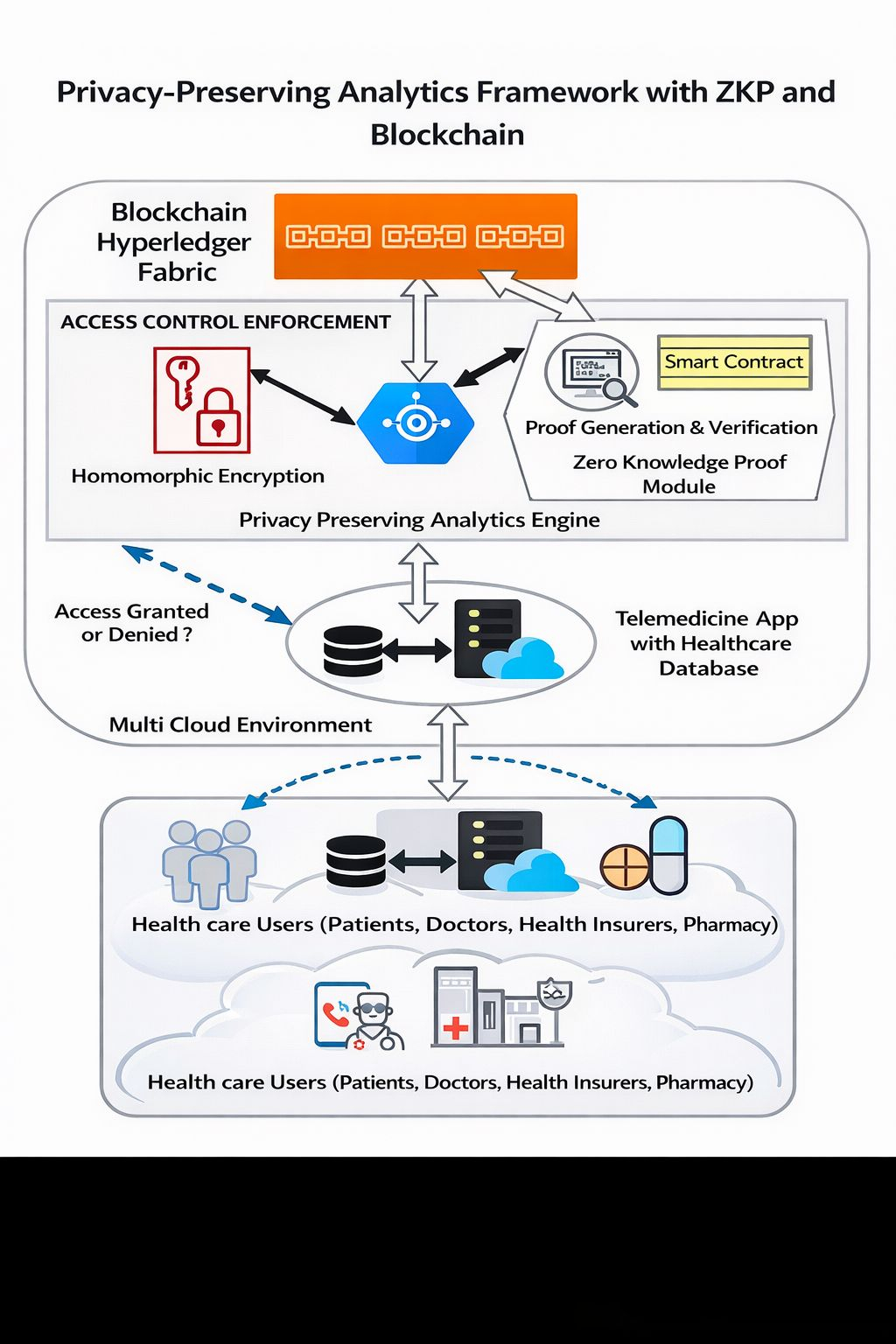 What I personally find interesting about this approach is that it does not treat privacy as an extreme. Some projects try to make everything completely anonymous, while others ignore privacy completely. Midnight seems to be exploring a middle path where privacy can be controlled depending on the needs of the application.
Whether this model will succeed in the long run is still an open question. Blockchain technology is still evolving, and many experimental ideas take time to prove themselves. But the concept of programmable privacy feels like a logical step forward.
If blockchains are going to support real-world industries like finance, healthcare, or digital identity, they will need systems that can protect sensitive information while still maintaining decentralized verification. Midnight’s architecture appears to be one attempt to move in that direction.
And honestly, that might be one of the more important experiments happening in blockchain infrastructure right now.