

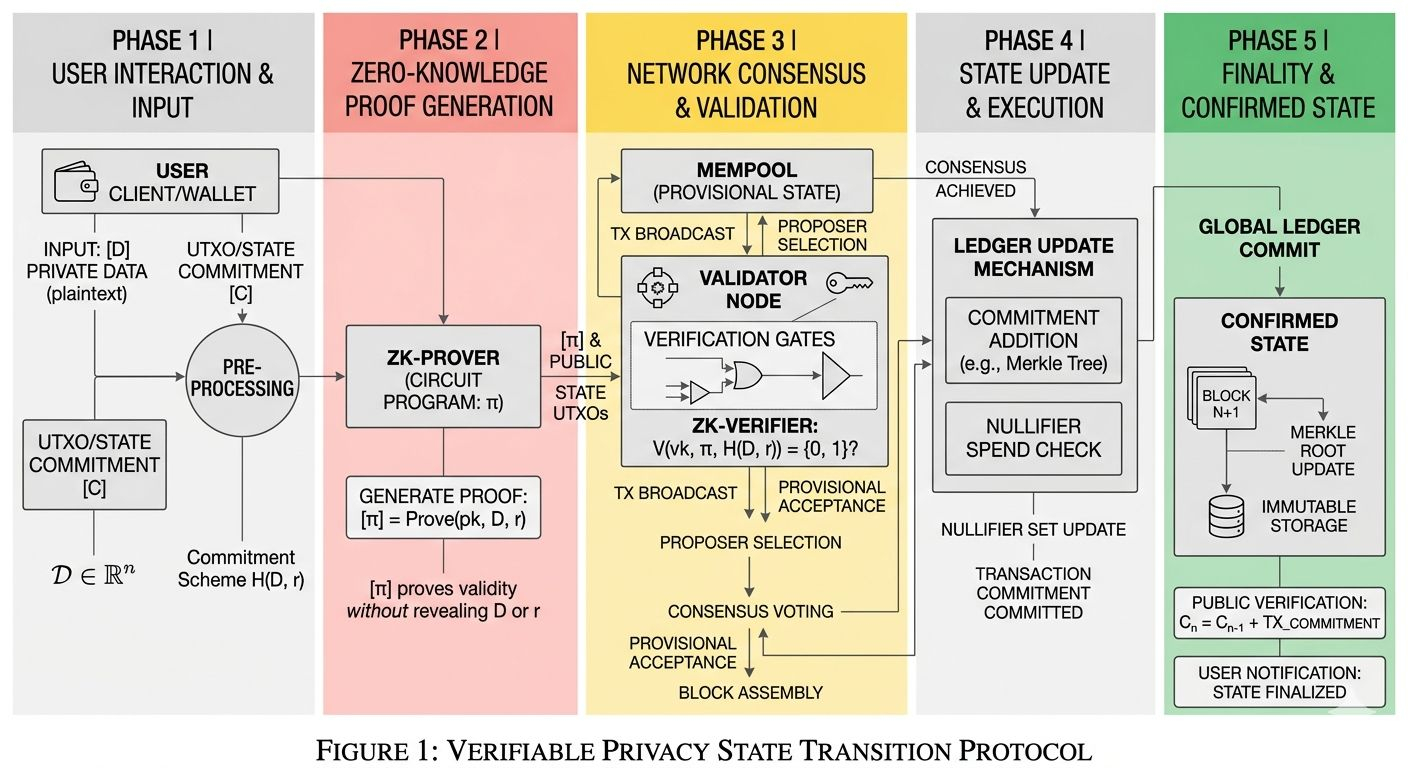
 I remember when privacy narratives first started gaining traction in crypto. Back then, it felt obvious—if a network could hide transactions, it would naturally attract users. I believed privacy itself was enough to create demand. ADA’s smart contracts meet Night’s privacy layer, bridging Cardano efficiency with confidential executioBut after watching several projects struggle despite strong technology, I realized something was missing. Most of them solved for secrecy, but not for usability or verification. That experience changed how I evaluate projects today. Now I look less at what a system promises and more at how it actually functions under real conditions.That shift in perspective is why Midnight Network caught my attention. Not because privacy is a new idea, but because it raises a more specific question: can a blockchain keep data private while still proving that everything happening on it is valid?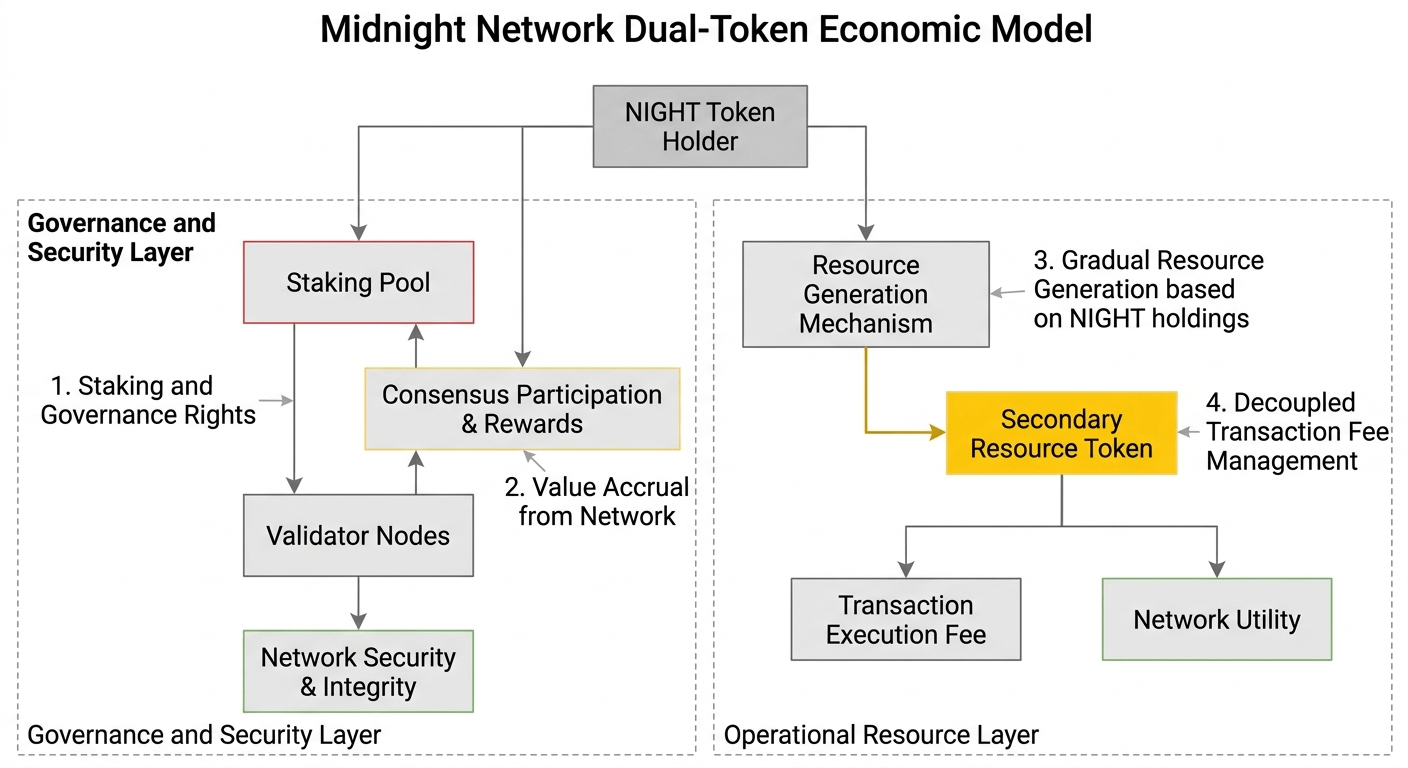
Instead of focusing only on hiding information, the system is designed around verifiable privacy. So the real question becomes whether this balance can support real applications, not just theoretical use cases.According to its design, Midnight works by using zero-knowledge proofs to validate transactions without exposing the underlying data. In simple terms, it allows a system to confirm something is true without revealing the details behind it. Think of it like proving you have enough funds for a trade without showing your full balance. The network verifies the condition, not the data itself. This matters because it opens the door for applications where privacy is required, but trust still needs to be maintained.The protocol also separates its economic structure. The NIGHT token acts as the governance and ownership layer, while a secondary resource is used for transaction execution. 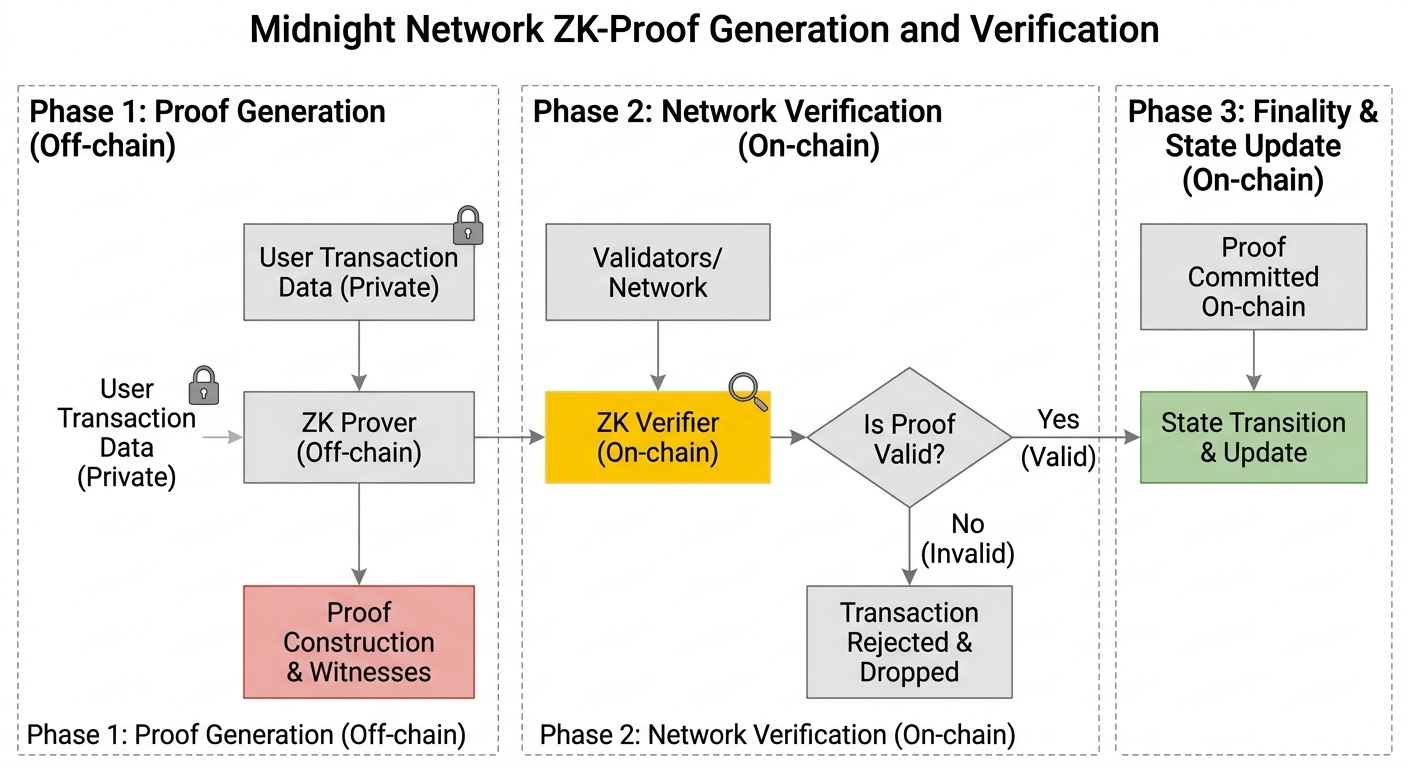
This is similar to a prepaid system—holding NIGHT gradually provides operational capacity instead of forcing constant payments. It’s designed to make applications feel smoother for users, which is important for adoption.The market is already showing early signs of attention. NIGHT is still in a relatively early pricing phase, with modest market cap and developing liquidity. Trading volume indicates interest, but not full maturity. Holder growth suggests awareness is increasing, though usage is still in early stages. These signals usually point to a discovery phase, where the market is pricing potential rather than confirmed utility.But this is where the real test appears. The biggest challenge isn’t privacy—it’s adoption. Because if developers don’t build applications that actually require private computation, the network won’t sustain activity. 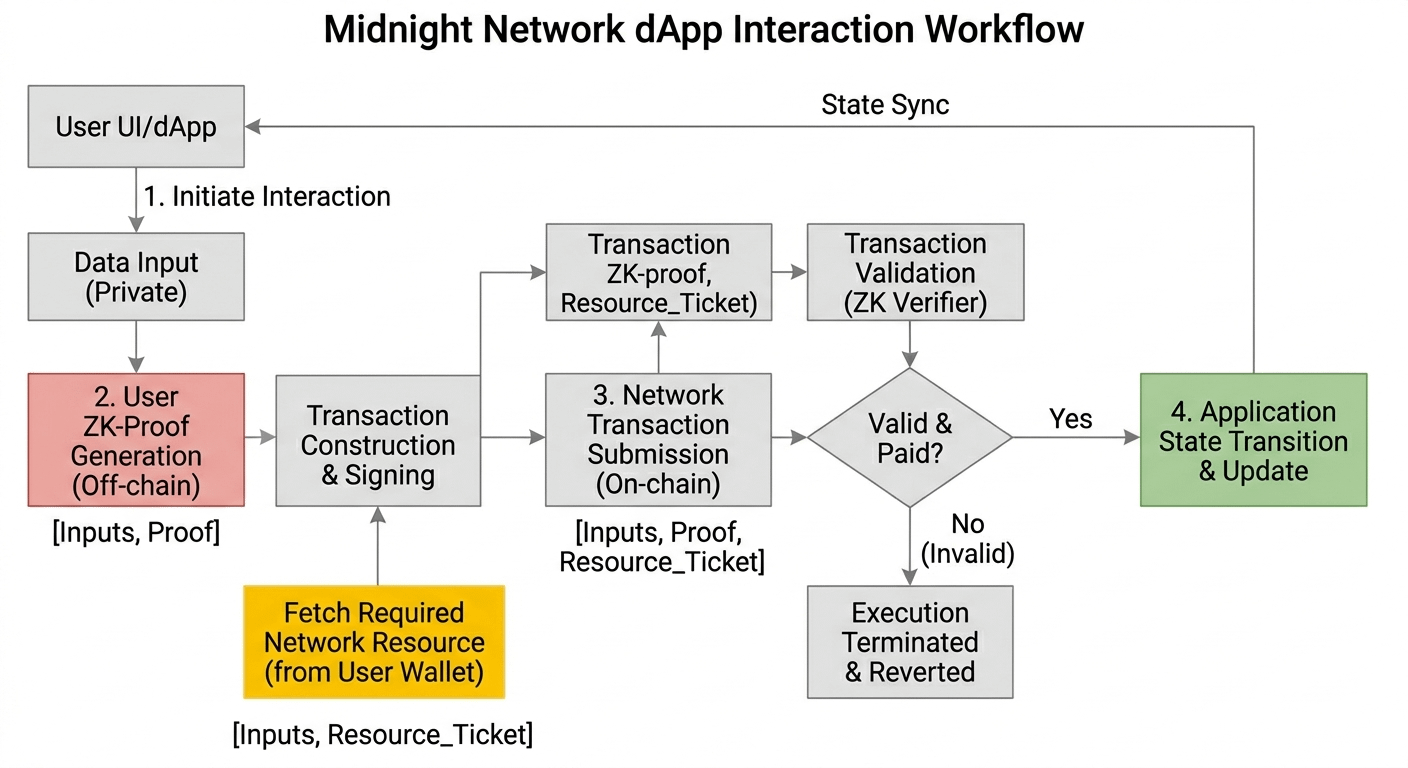
And if users don’t interact with those applications consistently, demand for the system weakens. In that case, the technology exists, but the economic loop doesn’t.If adoption does grow, though, the structure becomes stronger. More applications lead to more usage, more usage reinforces the network, and the system starts functioning as intended. That’s the difference between a working infrastructure and an underutilized protocol.So what would make me more confident? .I’d want to see consistent developer activity building real use cases, steady growth in on-chain interactions, and increasing participation in governance over time. On the other hand, if trading activity rises without meaningful application usage, or if developer momentum slows, those would be signs that the narrative is moving faster than the utility.So if you’re watching this, don’t just watch price. Watch usage. In markets like this, the difference between a strong idea and a lasting system usually comes down to one thing—whether people keep building and using it after the narrative fades.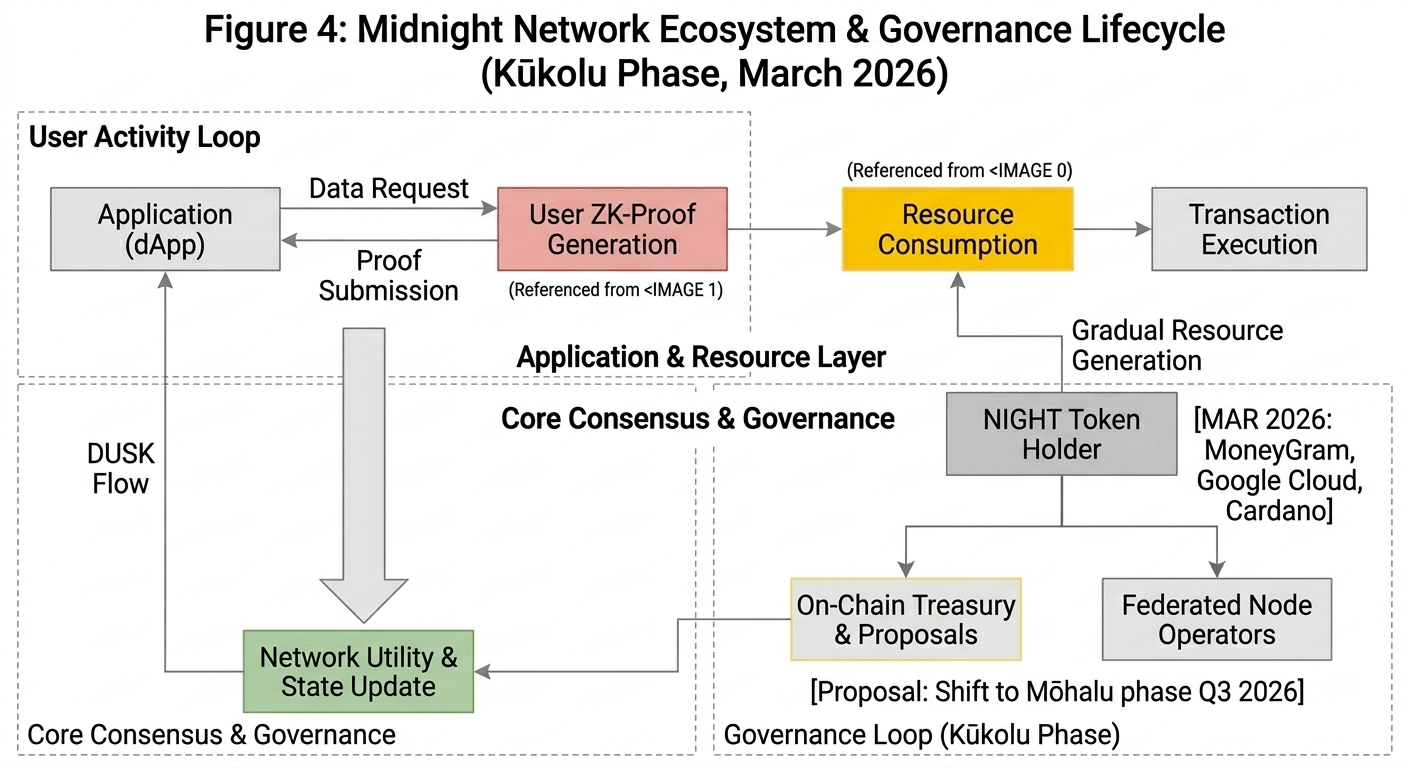
#night $NIGHT @MidnightNetwork
