
Night is not just the absence of day; it is a special moment for our minds and hearts. After the rush, noise, and constant movement of the day, night gives us a pause to talk to ourselves, to think, and to
understand our emotions. In that quiet, we often face the questions we ignore during the day:
where does our information go? How much of our data is being used? And how unaware are we of all this?
Everyone talks about AI it is becoming faster, smarter, and more useful. But very few people talk about what powers it.
The truth is simple: it is built on our data our searches, our conversations, our habits. Most of this data is provided by us, often without even realizing how far it goes or how deeply it is used.
This is where the idea behind Midnight Network starts to make sense to me. The concept is actually very simple: you do not reveal your data, you only show what is necessary. Nothing extra.
Zero Knowledge may sound complicated, but in reality, it follows the same idea show the result without exposing every small detail behind it. For example
a hospital can use patient data to train AI, but the identities of the patients remain hidden. If this works the way it should, it can truly change a lot.
I like this idea. It feels more fair and more secure.
We still have control over our data, and at the same time, it remains useful. But there is one thing that always leaves a question in my heart trust.
This is not just about technology; it is about trust. If an AI system works on a private framework and something goes wrong,
how do we verify it? We cannot see the raw data, we can only rely on proofs. And these proofs only check what they are designed to check.
If something is wrong at a deeper level, the system can still say everything is fine.
That part feels uncomfortable and thought-provoking.
In open systems, when something goes wrong, everything is visible. People can see it, question it, and understand what actually happened. But in private systems, everything appears smooth… until something breaks
And when it does, not everyone can see what really went wrong.
At night, these thoughts feel deeper and more real. After the busyness of the day, night gives us space to reflect on our emotions, fears, and hopes.
It is in these quiet moments that we think about where we stand, what we want, and how we move forward.
The silence of the night allows us to look within, and the thought of how our data is being used leaves a stronger impact.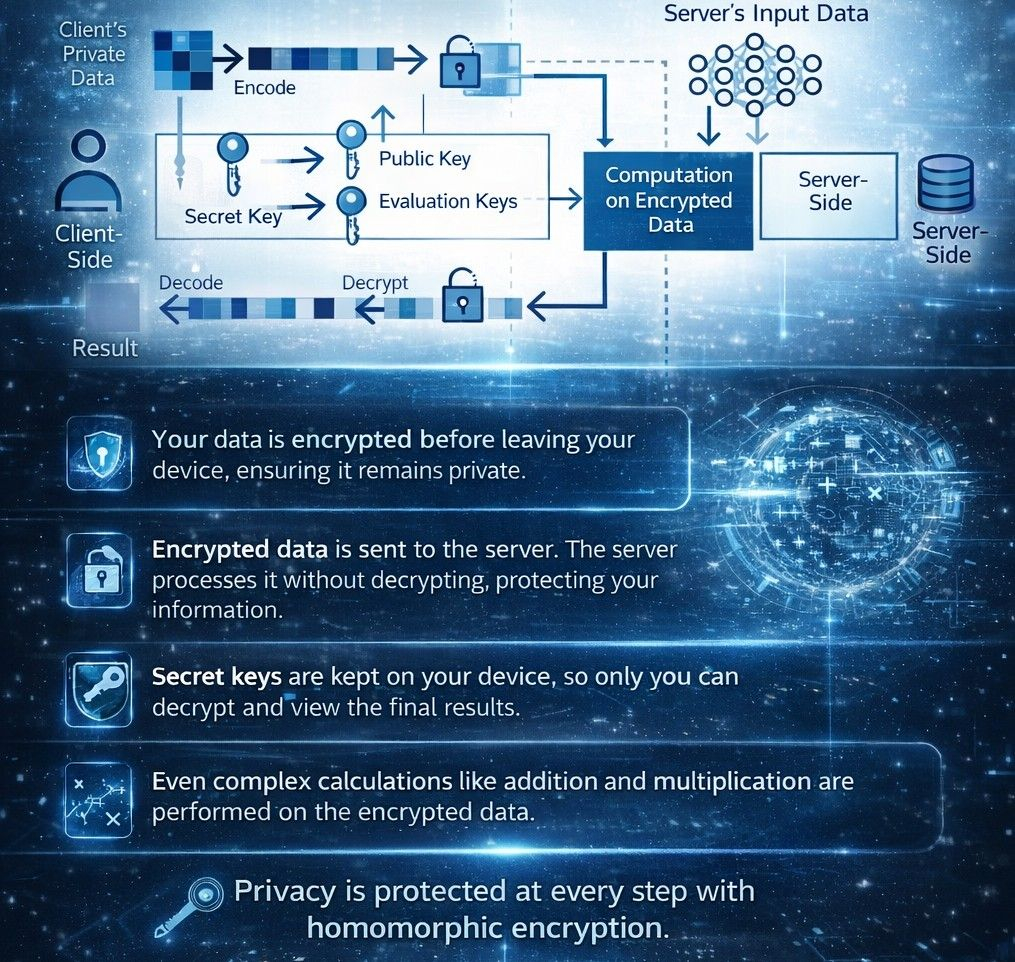
This reflection leads to a simple but important lesson: the question of AI and privacy is not only about technology, but also about human emotions, trust, and caution.
Each person must decide what kind of system they are willing to trust an open system that reveals more, or a private system that protects more but is harder to understand.
When morning comes, it does not just bring light, but also a continuation of the clarity we find during the night.
Night gives us calm, the power to think, and the ability to make better decisions. In the same way, it can help us become more aware and careful about our data, our trust, and our personal information.
The quiet magic of the night gives us the strength to understand ourselves, to stay safe, and to move forward.
